
Prednisolone Tablets: Uses, Dosage, Side Effects, Safety, and Frequently Asked Questions
What Are Prednisolone Tablets?
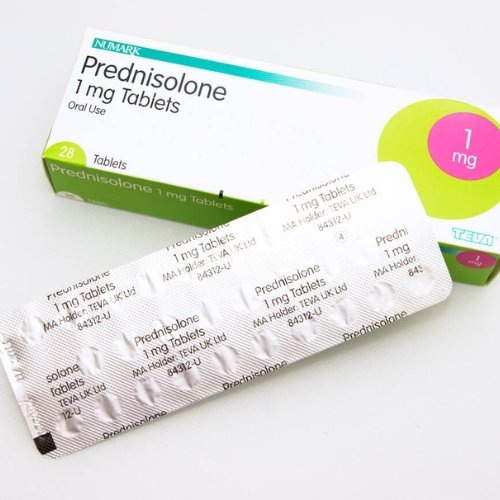
Prednisolone tablets are prescription corticosteroid medications used to reduce inflammation and suppress an overactive immune system. They are prescribed to treat a wide range of conditions, including allergic reactions, asthma, autoimmune diseases, inflammatory disorders, and certain blood and skin conditions.
Prednisolone is available in several tablet strengths, including:
- 5 mg tablets
- 10 mg tablets
- 20 mg tablets
- Other strengths depending on the country and manufacturer
The dose and duration of treatment vary depending on the condition being treated and the individual’s response.
How Prednisolone Works
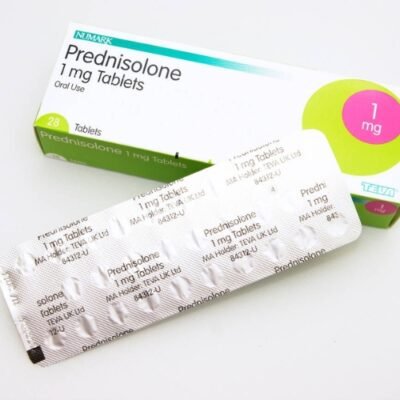
Prednisolone is a corticosteroid that mimics the effects of cortisol, a hormone naturally produced by the adrenal glands.
It works by:
- Reducing inflammation.
- Suppressing excessive immune system activity.
- Decreasing swelling, redness, and pain.
- Helping control symptoms caused by allergic and autoimmune conditions.
Prednisolone helps manage symptoms but does not cure the underlying disease.
Prednisolone Tablet Uses
Prednisolone may be prescribed for:
Allergic Conditions
- Severe allergic reactions.
- Allergic skin conditions.
- Drug allergies.
Respiratory Conditions
- Asthma exacerbations.
- Chronic obstructive pulmonary disease (COPD) flare-ups.
Autoimmune Diseases
- Rheumatoid arthritis.
- Systemic lupus erythematosus (SLE).
- Vasculitis.
Skin Disorders
- Eczema.
- Psoriasis.
- Severe dermatitis.
Gastrointestinal Diseases
- Ulcerative colitis.
- Crohn’s disease.
Blood Disorders
- Certain forms of anemia.
- Immune thrombocytopenia (ITP).
Other Conditions
- Certain eye conditions.
- Some kidney disorders.
- As part of treatment for specific cancers or after organ transplantation in selected patients.
Benefits of Prednisolone
When taken as prescribed, prednisolone may help:
- Reduce inflammation.
- Relieve pain and swelling.
- Improve breathing during asthma attacks.
- Control autoimmune disease activity.
- Reduce allergic symptoms.
- Prevent tissue damage caused by inflammation.
Prednisolone Dosage
The correct dose depends on:
- The condition being treated.
- Age.
- Body weight (for some patients).
- Severity of symptoms.
- Response to treatment.
General guidance:
- Take exactly as prescribed.
- Do not increase or reduce the dose without medical advice.
- If you have been taking prednisolone for more than a few weeks, do not stop it suddenly unless your healthcare provider instructs you to do so. The dose often needs to be reduced gradually (tapered).
How to Take Prednisolone Tablets
For best results:
- Take at the same time each day.
- Take with food or milk to reduce stomach irritation.
- Swallow the tablet with a full glass of water.
- Follow the prescribed treatment schedule carefully.
Missed Dose
If you miss a dose:
- Take it as soon as you remember.
- If it is almost time for your next dose, skip the missed dose.
- Do not take two doses together.
Common Side Effects
Common side effects may include:
- Increased appetite.
- Weight gain.
- Difficulty sleeping (insomnia).
- Mood changes.
- Stomach upset.
- Increased sweating.
- Fluid retention.
These effects are more common with higher doses or prolonged treatment.
Serious Side Effects
Seek immediate medical attention if you experience:
- Signs of a severe allergic reaction.
- Vision changes.
- Severe mood or behavior changes.
- Black or bloody stools.
- Persistent fever or signs of infection.
- Severe abdominal pain.
- Swelling of the face or difficulty breathing.
Long-term use may increase the risk of osteoporosis, cataracts, glaucoma, high blood sugar, and adrenal suppression.
Safety Information
Before taking prednisolone, tell your healthcare provider if you have:
- Diabetes.
- High blood pressure.
- Osteoporosis.
- Glaucoma or cataracts.
- Stomach ulcers.
- Liver or kidney disease.
- Active infections.
- Tuberculosis.
- Pregnancy or plans to become pregnant.
- Breastfeeding.
Because prednisolone suppresses the immune system, it may increase your risk of infections.
Drug Interactions
Prednisolone may interact with:
- Nonsteroidal anti-inflammatory drugs (NSAIDs), such as ibuprofen or naproxen.
- Blood thinners (such as warfarin).
- Diabetes medications.
- Certain vaccines.
- Rifampicin (rifampin).
- Phenytoin.
- Carbamazepine.
- Some antifungal medications.
Always inform your healthcare provider about all medicines, supplements, and herbal products you are taking.
Alcohol and Prednisolone
Alcohol may increase the risk of stomach irritation or ulcers, especially when combined with prednisolone. Discuss alcohol use with your healthcare provider.
Pregnancy and Breastfeeding
If you are pregnant, planning to become pregnant, or breastfeeding:
- Tell your healthcare provider before taking prednisolone.
- Treatment decisions are based on balancing the potential benefits and risks for you and your baby.
Storage
Store prednisolone tablets:
- At room temperature.
- Away from heat, moisture, and direct sunlight.
- In the original packaging.
- Out of reach of children.
Frequently Asked Questions (FAQs)
What are prednisolone tablets used for?
Prednisolone tablets are used to treat inflammatory, allergic, autoimmune, respiratory, skin, and certain blood disorders.
Is prednisolone a steroid?
Yes. Prednisolone is a corticosteroid medication, not an anabolic steroid.
Can I stop taking prednisolone suddenly?
No. If you have been taking prednisolone for more than a few weeks, it should usually be reduced gradually under medical supervision to avoid adrenal insufficiency.
Can prednisolone cause weight gain?
Yes. Increased appetite and weight gain are common side effects, especially during long-term treatment.
Should I take prednisolone with food?
Yes. Taking prednisolone with food or milk may help reduce stomach irritation.
Can prednisolone raise blood sugar?
Yes. Prednisolone can increase blood sugar levels, particularly in people with diabetes or those at risk of developing diabetes.
Can I receive vaccines while taking prednisolone?
Some vaccines, especially live vaccines, may not be suitable while taking higher doses of prednisolone. Discuss vaccinations with your healthcare provider.
Can older adults take prednisolone?
Yes, but they may require closer monitoring because they are at higher risk of side effects such as osteoporosis, high blood pressure, and infections.
What happens if I take too much prednisolone?
A single overdose is unlikely to cause severe harm, but prolonged excessive dosing can increase the risk of serious corticosteroid side effects. Seek medical advice if an overdose is suspected.
Is prednisolone a cure?
No. Prednisolone helps control inflammation and immune system activity but does not cure the underlying condition.
Final Thoughts
Prednisolone tablets are effective corticosteroid medications used to treat a wide range of inflammatory, allergic, and autoimmune conditions. They can provide significant symptom relief and help prevent complications when taken correctly.
Because prednisolone affects many body systems, it is important to follow your prescribed dose, attend regular medical reviews if used long term, and never stop treatment suddenly without your healthcare provider’s guidance.
Medical Disclaimer: This article is for educational and informational purposes only and should not replace professional medical advice, diagnosis, or treatment. Always consult a qualified healthcare professional before starting, stopping, or changing any medication.
| Quantity | 30 Pills, 60 Pills, 120 Pills, 180 Pills, 200 Pills, 250 Pills, 300 Pills, 400 Pills, 500 Pills |
|---|
Be the first to review “Prednisolone tablets”
Related products
Drugs
Drugs

Drugs
Drugs
Drugs
Drugs
Drugs
Reviews
There are no reviews yet.