
Paracetamol for Children 100 mg: Uses, Dosage, Side Effects, Safety, and Frequently Asked Questions
What Is Paracetamol for Children 100 mg?
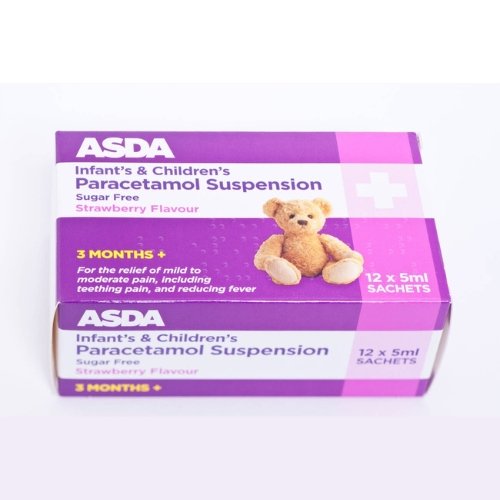
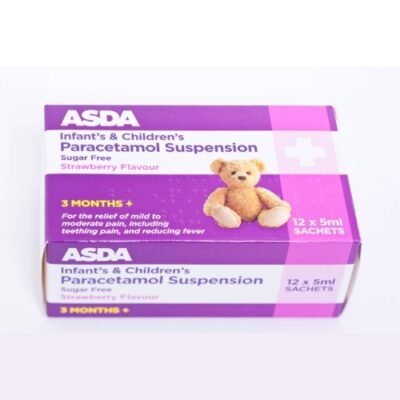
Paracetamol (also known as acetaminophen) is a widely used medicine that helps relieve pain and reduce fever in infants and children. A 100 mg strength may be available in certain formulations, such as suppositories or sachets, depending on the country and manufacturer.
Paracetamol is commonly used to treat:
- Fever
- Headache
- Toothache
- Earache
- Sore throat
- Pain after vaccinations
- Cold and flu symptoms
- Minor aches and pains
Always use a product that is appropriate for your child’s age and weight, and follow the dosing instructions provided by your healthcare provider or the product label.
How Paracetamol Works
Paracetamol works by reducing the production of chemicals in the brain that cause pain and fever.
It helps to:
- Lower a high temperature (fever).
- Relieve mild to moderate pain.
- Improve comfort during illness.
Unlike nonsteroidal anti-inflammatory drugs (NSAIDs), paracetamol has very little anti-inflammatory action.
Uses of Paracetamol for Children
Paracetamol may be used for:
- Fever caused by infections.
- Pain after routine vaccinations.
- Headaches.
- Tooth pain.
- Ear pain.
- Muscle aches.
- Cold and flu symptoms.
It does not treat the underlying cause of an illness but helps relieve symptoms.
Benefits of Paracetamol
When used correctly, paracetamol may help:
- Reduce fever.
- Relieve mild to moderate pain.
- Improve comfort and activity levels during illness.
- Be suitable for many children who cannot take certain other pain relievers, when appropriate.
Dosage
The correct dose of paracetamol for children is based primarily on the child’s weight, not just age or the tablet strength.
General guidance:
- Use the dose recommended on the product label or by your healthcare provider.
- Use the measuring device supplied with liquid formulations.
- Do not give more than the recommended number of doses in a 24-hour period.
- Avoid giving more than one medicine containing paracetamol at the same time.
If you are unsure about the correct dose, ask a pharmacist or healthcare provider before giving the medicine.
How to Give Paracetamol
For best results:
- Give exactly as directed.
- Tablets should only be given if the child is old enough to swallow them safely.
- Use liquid formulations for younger children when appropriate.
- Suppositories should only be used according to the product instructions.
- Ensure the child stays well hydrated.
Missed Dose
Paracetamol is usually given only when needed for pain or fever.
If it has been prescribed on a schedule:
- Give the missed dose when remembered unless it is nearly time for the next dose.
- Do not give two doses together.
Common Side Effects
Paracetamol is generally well tolerated when used correctly.
Possible side effects include:
- Mild nausea.
- Rash.
- Stomach discomfort (uncommon).
Many children experience no side effects.
Serious Side Effects
Seek immediate medical attention if your child develops:
- Difficulty breathing.
- Swelling of the face, lips, or tongue.
- Severe skin rash or blistering.
- Persistent vomiting after an overdose.
- Signs of liver injury, such as yellowing of the skin or eyes or unusual tiredness.
An overdose of paracetamol can cause serious liver damage and requires urgent medical assessment, even if the child seems well initially.
Safety Information
Before giving paracetamol, tell your healthcare provider if your child has:
- Liver disease.
- Kidney disease.
- An allergy to paracetamol.
- A low body weight or nutritional concerns.
Do not exceed the recommended dose or duration of treatment without medical advice.
Drug Interactions
Paracetamol may interact with certain medicines, including:
- Some anti-seizure medications.
- Certain tuberculosis medicines.
- Warfarin (mainly with regular long-term use).
Tell your healthcare provider about all medicines, vitamins, and supplements your child is taking.
Storage
Store paracetamol:
- At room temperature.
- Away from direct sunlight and moisture.
- In the original container.
- Out of the sight and reach of children.
Frequently Asked Questions (FAQs)
What is Paracetamol 100 mg used for?
Paracetamol 100 mg is used to reduce fever and relieve mild to moderate pain in children when an appropriate strength is recommended for their weight and age.
Is paracetamol safe for children?
Yes. Paracetamol is generally safe when given at the correct dose based on the child’s weight and according to the product instructions.
How is the correct dose determined?
The correct dose is usually based on body weight, not simply age or tablet strength. Follow the dosing instructions provided with the medicine or those given by your healthcare provider.
Can I give paracetamol for teething pain?
Paracetamol may help relieve pain associated with teething if recommended by your healthcare provider and used according to the dosing instructions.
Can I give paracetamol with ibuprofen?
Sometimes healthcare professionals recommend alternating or combining these medicines, but you should only do so according to medical advice or the product instructions.
How long does paracetamol take to work?
Paracetamol usually starts working within 30 to 60 minutes.
What should I do if my child’s fever does not improve?
If the fever persists, worsens, or your child appears very unwell, seek medical advice promptly.
Can I use adult paracetamol tablets for children?
Adult-strength tablets should only be used if a healthcare professional advises it and the dose is appropriate for the child’s weight and ability to swallow tablets safely.
What happens if too much paracetamol is given?
Too much paracetamol can cause serious liver damage. Seek emergency medical attention or contact your local poison center immediately if an overdose is suspected.
How should paracetamol be stored?
Store it at room temperature, away from heat and moisture, and keep it out of the reach of children.
Final Thoughts
Paracetamol 100 mg is an effective medicine for reducing fever and relieving mild to moderate pain in children when used correctly. Because children’s doses are based on weight, always follow the product label or your healthcare provider’s instructions and avoid exceeding the recommended dose.
If your child’s symptoms are severe, persist, or you are unsure about the correct dose, consult a healthcare professional.
Medical Disclaimer: This article is for educational and informational purposes only and should not replace professional medical advice, diagnosis, or treatment. Always consult a qualified healthcare professional before giving any medication to a child.
Be the first to review “Paracetamol for children 100mg”
Related products
Drugs
Drugs
Drugs
Drugs
Drugs
Drugs

Drugs
Reviews
There are no reviews yet.