

Megace 160 mg: Uses, Dosage, Side Effects, Safety, and Frequently Asked Questions
What Is Megace 160 mg?
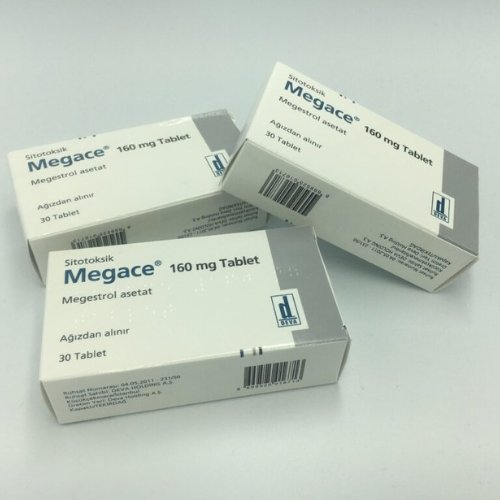
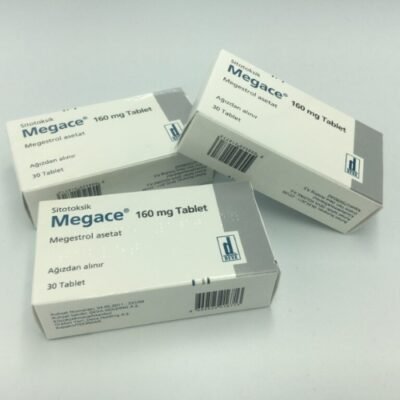
Megace 160 mg is a prescription medicine containing megestrol acetate, a synthetic form of the hormone progesterone. It belongs to a group of medicines called progestins.
Megace is used mainly to help manage:
- Loss of appetite and significant weight loss associated with certain illnesses.
- Advanced hormone-sensitive cancers, including some breast and endometrial cancers.
Megace is available in different forms, including:
- Tablets.
- Oral suspension.
- High-dose formulations such as 160 mg tablets.
How Megace Works
Megestrol acetate works by acting on progesterone receptors and affecting hormone activity in the body.
Its effects include:
- Increasing appetite in some people.
- Helping promote weight gain in certain medical conditions.
- Reducing the growth stimulation of some hormone-sensitive cancer cells.
The exact way it improves appetite is not fully understood but is linked to its effects on hormonal pathways.
Megace 160 mg Uses
Appetite Stimulation and Weight Loss
Megace may be prescribed to help improve appetite and reduce unwanted weight loss caused by conditions such as:
- Cancer-related weight loss.
- HIV/AIDS-related wasting.
- Other serious illnesses associated with poor appetite.
It is usually considered when maintaining nutrition and body weight is a medical concern.
Cancer Treatment Support
Megace may be used in the treatment of certain hormone-sensitive cancers, including:
- Advanced breast cancer.
- Advanced endometrial (uterine lining) cancer.
It may help slow cancer growth in some patients by affecting hormone-sensitive tumor activity.
Benefits of Megace 160 mg
When prescribed appropriately, Megace may help:
- Increase appetite.
- Support nutritional intake.
- Improve weight maintenance in certain illnesses.
- Provide hormone-based treatment for some cancers.
Megace 160 mg Dosage
The correct dosage depends on:
- The condition being treated.
- Overall health.
- Cancer type (if applicable).
- Response to treatment.
- Other medications being used.
General guidance:
- Take exactly as prescribed by your healthcare provider.
- High-dose Megace regimens vary depending on the medical purpose.
- Do not increase or decrease the dose without medical advice.
How to Take Megace 160 mg
For best results:
- Take the tablet as directed.
- Take doses at the same time each day if using a regular schedule.
- Follow your healthcare provider’s instructions carefully.
If using the oral suspension form, shake well before measuring the dose.
Missed Dose
If you miss a dose:
- Take it when you remember unless it is close to your next dose.
- Do not take two doses together unless advised by your healthcare provider.
Common Side Effects
Common side effects may include:
- Increased appetite.
- Weight gain.
- Nausea.
- Diarrhea.
- Stomach discomfort.
- Fatigue.
- Headache.
- Changes in blood sugar levels.
Serious Side Effects
Seek urgent medical attention if you experience:
- Signs of blood clots, such as sudden chest pain, shortness of breath, or painful swelling in a leg.
- Severe allergic reactions.
- Unusual weakness or extreme tiredness.
- Symptoms of high blood sugar, such as excessive thirst or frequent urination.
- Signs of adrenal gland problems.
Safety Information
Before taking Megace, tell your healthcare provider if you have:
- A history of blood clots.
- Diabetes.
- Adrenal gland problems.
- Liver disease.
- Kidney disease.
- Pregnancy or plans to become pregnant.
Megace may affect blood sugar control and may increase the risk of blood clots in some people.
Drug Interactions
Megace may interact with:
- Diabetes medicines.
- Blood-thinning medicines.
- Other hormone-based treatments.
- Certain medications processed by the liver.
Always provide your healthcare provider with a complete list of medicines, vitamins, and supplements you take.
Pregnancy and Breastfeeding
Megace should generally not be used during pregnancy unless specifically directed by a healthcare professional.
If you are pregnant, planning pregnancy, or breastfeeding:
- Discuss the risks and benefits with your healthcare provider.
- Avoid taking this medication without medical guidance.
Storage
Store Megace tablets:
- At room temperature.
- Away from heat and moisture.
- In the original packaging.
- Out of reach of children.
Frequently Asked Questions (FAQs)
What is Megace 160 mg used for?
Megace 160 mg is used to help improve appetite and weight loss associated with serious illnesses and may also be used in certain hormone-sensitive cancers.
Is Megace a steroid?
Megace is not an anabolic steroid. It is a synthetic progestin hormone related to progesterone.
Does Megace increase appetite?
Yes. Increasing appetite is one of its main medical uses.
How long does Megace take to work?
The response varies. Some people notice increased appetite within days to weeks, depending on their condition.
Does Megace cause weight gain?
Yes. Weight gain can occur, partly due to increased appetite and changes in body composition.
Can Megace be used for bodybuilding or muscle gain?
No. Megace is a prescription medicine intended for specific medical conditions and is not approved for bodybuilding or performance enhancement.
Can Megace affect blood sugar?
Yes. Megace may increase blood sugar levels in some people, especially those with diabetes.
Can Megace cause blood clots?
Yes. Although uncommon, Megace may increase the risk of blood clots, particularly in people with other risk factors.
Can Megace be stopped suddenly?
Do not stop Megace without medical advice, especially if it has been used for a long time, because hormone-related effects may occur.
What happens if I take too much Megace?
Taking excessive amounts may increase the risk of side effects. Seek medical advice if an overdose is suspected.
Final Thoughts
Megace 160 mg (megestrol acetate) is a prescription progestin medication mainly used to improve appetite and support weight maintenance in certain serious illnesses, as well as for treatment of some hormone-sensitive cancers.
Because it can affect hormones, blood sugar, and blood clot risk, it should only be used under medical supervision. Always follow your healthcare provider’s instructions and discuss any new or concerning symptoms during treatment.
Medical Disclaimer: This article is for educational and informational purposes only and should not replace professional medical advice, diagnosis, or treatment. Always consult a qualified healthcare professional before starting, stopping, or changing any medication.
| Quantity | 30 Pills, 60 Pills, 120 Pills, 180 Pills, 200 Pills, 250 Pills, 300 Pills, 400 Pills, 500 Pills |
|---|
Be the first to review “Megace 160mg”
Related products

Drugs
Drugs

Drugs
Drugs
Drugs
Drugs

Drugs
Drugs
Reviews
There are no reviews yet.