
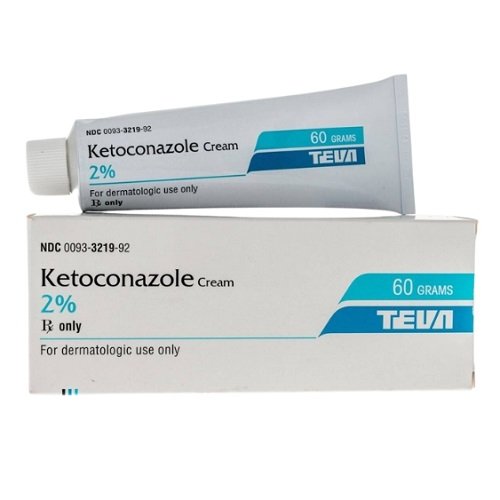


Ketoconazole Cream: Uses, Dosage, Side Effects, Safety, and Frequently Asked Questions
What Is Ketoconazole Cream?
Ketoconazole cream is a topical antifungal medicine used to treat various fungal and yeast infections affecting the skin. It belongs to a group of medicines called azole antifungals.
Ketoconazole works by damaging the protective membrane of fungi, preventing them from growing and spreading.
It is commonly used for skin conditions caused by fungi or yeast, including:
- Athlete’s foot.
- Ringworm.
- Jock itch.
- Seborrhoeic dermatitis.
- Pityriasis versicolor (a fungal skin condition causing discoloured patches).
Ketoconazole cream is applied directly to affected areas of skin and is available in different strengths depending on the product and country.
How Ketoconazole Cream Works
Fungi need a substance called ergosterol to maintain their cell membranes.
Ketoconazole works by:
- Blocking fungal enzymes involved in ergosterol production.
- Weakening the fungal cell membrane.
- Stopping fungal growth.
- Helping the immune system clear the infection.
It works against certain fungi and yeasts but does not treat viral or bacterial skin infections.
Ketoconazole Cream Uses
Seborrhoeic Dermatitis
Ketoconazole cream may help treat seborrhoeic dermatitis, which can cause:
- Red, irritated skin.
- Flaking or scaling.
- Greasy patches.
- Itching.
It is often used on areas such as:
- The scalp.
- Face.
- Eyebrows.
- Around the nose.
- Other affected areas.
Athlete’s Foot (Tinea Pedis)
Ketoconazole may be used to treat fungal infections of the feet, which can cause:
- Itching.
- Burning.
- Scaling.
- Cracked skin between the toes.
Ringworm (Tinea Corporis)
Despite its name, ringworm is not caused by worms. It is a fungal infection that may appear as:
- Circular, red patches.
- Itchy or scaly skin.
- Expanding areas of irritation.
Jock Itch (Tinea Cruris)
Ketoconazole cream may help treat fungal infections in warm, moist skin areas such as the groin.
Symptoms may include:
- Itching.
- Redness.
- Rash.
- Skin irritation.
Pityriasis Versicolor
Ketoconazole may be used for fungal overgrowth that causes:
- Light or dark patches on the skin.
- Mild scaling.
- Uneven skin colour.
Benefits of Ketoconazole Cream
When used correctly, ketoconazole cream may help:
- Eliminate fungal infections.
- Reduce itching and irritation.
- Improve redness and scaling.
- Restore healthier skin.
- Prevent fungal growth from spreading.
Ketoconazole Cream Dosage and Application
The correct use depends on:
- The type of fungal infection.
- The affected body area.
- The strength of the cream.
- Healthcare provider instructions.
General guidance:
- Apply a thin layer to the affected area as directed.
- Use regularly for the recommended duration.
- Do not stop treatment early even if symptoms improve, unless advised.
- Wash hands before and after applying the cream.
Using more cream than recommended does not make it work faster and may increase irritation.
How to Apply Ketoconazole Cream
Follow these steps:
- Clean and dry the affected area.
- Apply a thin layer of cream to the affected skin.
- Gently rub it in.
- Wash hands after application unless treating the hands.
- Avoid covering the area with tight dressings unless advised by a healthcare professional.
Keep the affected area clean and dry to support healing.
Missed Application
If you forget to apply ketoconazole cream:
- Apply it when you remember.
- Skip it if it is close to your next scheduled application.
- Do not apply extra cream to make up for a missed application.
Common Side Effects
Possible side effects include:
- Mild burning.
- Stinging.
- Redness.
- Itching.
- Dryness.
- Skin irritation.
These effects are usually mild and temporary.
Serious Side Effects
Seek medical advice if you experience:
- Severe skin irritation.
- Swelling.
- Blistering.
- Severe rash.
- Signs of an allergic reaction.
Stop using the cream and seek medical advice if a serious reaction occurs.
Safety Information
Before using ketoconazole cream, tell your healthcare provider if you have:
- An allergy to ketoconazole or other antifungal medicines.
- Broken or damaged skin.
- Severe skin irritation.
- Other skin conditions that may resemble fungal infections.
Ketoconazole cream is for external use only.
Avoid contact with:
- Eyes.
- Mouth.
- Inside of the nose.
- Sensitive mucous membranes.
Drug Interactions
Because ketoconazole cream is applied to the skin, it generally has fewer interactions than oral antifungal medicines.
However, tell your healthcare provider about:
- Other creams or skin treatments you use.
- Prescription medicines.
- Allergies to medicines.
Using multiple topical products together may increase skin irritation.
Pregnancy and Breastfeeding
If you are pregnant, planning pregnancy, or breastfeeding:
- Speak with your healthcare provider before using ketoconazole cream.
- Avoid applying it to the breast area immediately before breastfeeding unless advised.
Your healthcare provider can help determine whether it is suitable.
Storage
Store ketoconazole cream:
- At room temperature.
- Away from excessive heat and moisture.
- Keep the tube tightly closed.
- Keep out of reach of children.
Do not use after the expiry date.
Frequently Asked Questions (FAQs)
What is ketoconazole cream used for?
Ketoconazole cream is used to treat fungal and yeast infections of the skin, including ringworm, athlete’s foot, seborrhoeic dermatitis, and pityriasis versicolor.
Is ketoconazole cream an antibiotic?
No. Ketoconazole is an antifungal medicine. It does not treat bacterial infections.
How long does ketoconazole cream take to work?
Improvement may be noticed after several days, but the full treatment course may take longer depending on the infection.
Can I use ketoconazole cream every day?
Use it according to the product instructions or your healthcare provider’s advice. The frequency depends on the condition being treated.
Can ketoconazole cream be used on the face?
Yes, it may be used on certain facial fungal conditions, but follow medical advice, especially around sensitive areas.
Can ketoconazole cream treat dandruff?
Ketoconazole products are commonly used for dandruff and seborrhoeic dermatitis, particularly when yeast contributes to the condition.
Can I stop using ketoconazole cream when symptoms disappear?
Follow the recommended treatment duration. Stopping too early may allow the infection to return.
Can ketoconazole cream cause skin irritation?
Yes. Mild irritation, burning, or redness can occur, especially when treatment begins.
Can children use ketoconazole cream?
Children may use ketoconazole cream when recommended by a healthcare professional. The appropriate use depends on age and the condition being treated.
What happens if I apply too much ketoconazole cream?
Using too much may increase skin irritation. Applying extra amounts does not improve effectiveness.
Final Thoughts
Ketoconazole cream is a widely used topical antifungal treatment for a range of fungal and yeast-related skin conditions. By stopping fungal growth, it helps relieve symptoms such as itching, redness, scaling, and irritation.
For the best results, apply ketoconazole exactly as directed, maintain good skin hygiene, and complete the recommended treatment period. If symptoms do not improve or become worse, seek advice from a healthcare professional.
Medical Disclaimer: This article is for educational and informational purposes only and should not replace professional medical advice, diagnosis, or treatment. Always consult a qualified healthcare professional before starting, stopping, or changing any medication.
Be the first to review “Ketoconazole Cream”
Related products
Drugs
Drugs
Drugs
Drugs
Drugs

Drugs

Drugs
Reviews
There are no reviews yet.