
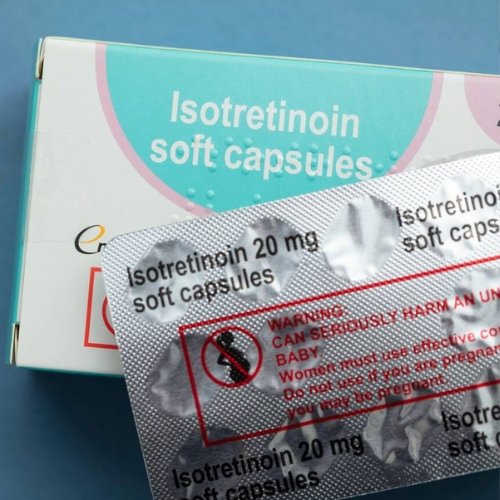
Isotretinoin 20 mg: Uses, Dosage, Side Effects, Safety, and Frequently Asked Questions
Isotretinoin 20 mg: Uses, Dosage, Side Effects & Safety Guide
Learn about Isotretinoin 20 mg, including its uses for severe acne, dosage guidance, side effects, safety precautions, drug interactions, pregnancy warnings, and frequently asked questions.
Isotretinoin 20 mg: Everything You Need to Know
Isotretinoin 20 mg is a prescription medication used to treat severe, persistent acne that has not responded to conventional treatments such as antibiotics and topical acne medications. It belongs to a class of medicines known as retinoids, which are derived from vitamin A.
Isotretinoin is considered one of the most effective treatments for severe acne because it targets multiple causes of the condition at once. It reduces oil production, prevents clogged pores, decreases inflammation, and lowers the number of acne-causing bacteria on the skin.
Because Isotretinoin can cause serious side effects—particularly severe birth defects if taken during pregnancy—treatment must be closely supervised by a qualified healthcare provider.
What Is Isotretinoin 20 mg?
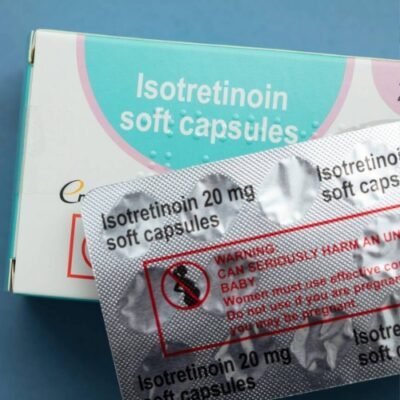
Isotretinoin is an oral retinoid medication available in several capsule strengths, including:
- 10 mg
- 20 mg
- 30 mg
- 40 mg
The 20 mg capsule is commonly prescribed as part of an individualized treatment plan based on body weight, acne severity, and response to therapy.
Approved Medical Uses
Healthcare providers prescribe Isotretinoin for:
- Severe nodular acne
- Severe cystic acne
- Acne resistant to antibiotics
- Acne with a high risk of permanent scarring
- Persistent inflammatory acne that has not improved with other treatments
In some cases, specialists may prescribe Isotretinoin for other skin conditions when clinically appropriate.
How Does Isotretinoin Work?
Isotretinoin treats acne by targeting its underlying causes.
It helps:
- Dramatically reduce oil (sebum) production
- Shrink sebaceous glands
- Prevent clogged pores
- Reduce inflammation
- Decrease acne-causing bacteria
- Lower the risk of permanent acne scars
Many patients experience long-lasting improvement after completing a full treatment course.
How Should Isotretinoin 20 mg Be Taken?
Always take Isotretinoin exactly as prescribed.
General recommendations include:
- Take the capsule with food if directed, as some formulations are better absorbed with a meal.
- Swallow the capsule whole with water.
- Take it at the same time each day.
- Do not crush, chew, or open the capsule.
- Complete the full course unless instructed otherwise.
- Never share your medication with anyone else.
Regular follow-up appointments are essential throughout treatment.
Dosage Information
The appropriate dose depends on:
- Body weight
- Severity of acne
- Side effects
- Response to treatment
Typical adult dosing (general guidance)
- Initial dose: approximately 0.5 mg/kg/day
- Maintenance dose: 0.5–1 mg/kg/day
- Maximum daily dose may be increased in selected patients under specialist supervision.
Treatment commonly lasts:
- 16–24 weeks
Some patients may require a second treatment course after an appropriate interval.
Common Side Effects
Because Isotretinoin reduces oil production throughout the body, dryness is extremely common.
Common side effects include:
- Dry lips
- Dry skin
- Dry eyes
- Dry nose
- Nosebleeds
- Peeling skin
- Increased sensitivity to sunlight
- Muscle aches
- Joint pain
- Mild headache
These effects are usually manageable with moisturizers, lip balm, and sunscreen.
Serious Safety Warnings
Although uncommon, Isotretinoin can cause serious adverse effects.
Potential risks include:
- Severe birth defects during pregnancy
- Liver inflammation
- Elevated cholesterol and triglycerides
- Pancreatitis
- Vision changes, including reduced night vision
- Severe allergic reactions
- Severe skin reactions (rare)
Some people have reported mood changes, depression, or suicidal thoughts while taking Isotretinoin. Although research has not established a clear causal relationship, patients should promptly report any new or worsening mental health symptoms to their healthcare provider.
Seek emergency medical attention if severe abdominal pain, vision changes, difficulty breathing, or symptoms of a severe allergic reaction occur.
Important Precautions
Before taking Isotretinoin, tell your healthcare provider if you have:
- Liver disease
- High cholesterol
- High triglycerides
- Diabetes
- Depression or other mental health conditions
- Asthma
- Osteoporosis
- Pregnancy or plans to become pregnant
- Breastfeeding
Patients should avoid cosmetic procedures such as waxing, dermabrasion, or laser skin resurfacing during treatment and for a period afterward, as advised by their healthcare provider, because the skin may be more fragile.
Pregnancy Warning
Isotretinoin can cause severe, life-threatening birth defects if taken during pregnancy.
Patients who can become pregnant should:
- Have a negative pregnancy test before starting treatment (where required).
- Use effective contraception before, during, and for the recommended period after treatment, according to local prescribing guidelines.
- Inform their healthcare provider immediately if pregnancy occurs during treatment.
Do not donate blood while taking Isotretinoin or for the recommended period after stopping treatment, as donated blood could expose a pregnant recipient to the medication.
Drug Interactions
Tell your healthcare provider about all medicines and supplements you take.
Important interactions include:
- Vitamin A supplements
- Tetracycline antibiotics
- Other retinoid medications
- Certain anti-seizure medicines
- Alcohol (may increase the risk of liver problems and elevated blood lipids)
Do not start new medications without consulting your healthcare provider.
Monitoring During Treatment
Healthcare providers may monitor:
- Liver function
- Cholesterol and triglyceride levels
- Acne improvement
- Side effects
- Pregnancy testing when required
- Overall treatment response
Routine follow-up appointments are an important part of safe treatment.
Safe Storage
Store Isotretinoin properly.
General recommendations include:
- Keep capsules in the original blister pack or container.
- Store at room temperature.
- Protect from excessive heat and moisture.
- Keep out of the reach of children and pets.
- Do not use expired medication.
- Dispose of unused capsules safely according to your pharmacist’s advice.
Frequently Asked Questions
What is Isotretinoin 20 mg used for?
Isotretinoin 20 mg is primarily used to treat severe acne that has not responded to other treatments and acne that may lead to permanent scarring.
Is Isotretinoin an antibiotic?
No. Isotretinoin is an oral retinoid derived from vitamin A. It is not an antibiotic.
How long does Isotretinoin take to work?
Some people notice improvement within several weeks, but significant improvement usually occurs after 8 to 12 weeks. A complete course often lasts 16 to 24 weeks.
Can acne get worse before it improves?
Yes. Some patients experience a temporary acne flare during the first few weeks of treatment before improvement begins.
What are the most common side effects?
The most common side effects include dry lips, dry skin, dry eyes, peeling skin, nosebleeds, and increased sensitivity to sunlight.
Can I drink alcohol while taking Isotretinoin?
Alcohol may increase the risk of liver problems and elevated blood fats. Discuss alcohol use with your healthcare provider.
Is pregnancy safe during Isotretinoin treatment?
No. Pregnancy must be avoided during treatment because Isotretinoin can cause severe birth defects. Follow all pregnancy prevention requirements provided by your healthcare provider.
Conclusion
Isotretinoin 20 mg is one of the most effective prescription medications for severe, treatment-resistant acne. By reducing oil production, preventing clogged pores, and decreasing inflammation, it can provide long-term acne clearance and reduce the risk of permanent scarring.
Because Isotretinoin carries important risks—including severe birth defects if taken during pregnancy, liver effects, and elevated cholesterol levels—it should only be used under the supervision of a qualified healthcare professional. Regular monitoring, adherence to prescribed treatment, and prompt reporting of any concerning symptoms can help ensure safe and effective therapy.
Isotretinoin 20 mg, Isotretinoin, isotretinoin capsules, isotretinoin uses, isotretinoin dosage, isotretinoin side effects, severe acne treatment, cystic acne medication, nodular acne treatment, oral retinoid, vitamin A derivative, prescription acne medicine, acne scar prevention, isotretinoin safety, isotretinoin pregnancy warning, isotretinoin monitoring, dermatologist acne treatment, oral acne therapy, isotretinoin FAQs, severe acne medication guide.
| Quantity | 30 pills, 60 pills, 120 pills, 180 pills, 200 pills, 250 pills, 300 pills, 400 pills, 500 pills |
|---|
Be the first to review “Isotretinoin 20mg”
Related products
Drugs
Drugs
Drugs
Drugs
Drugs
Drugs
Drugs
Drugs
Reviews
There are no reviews yet.