
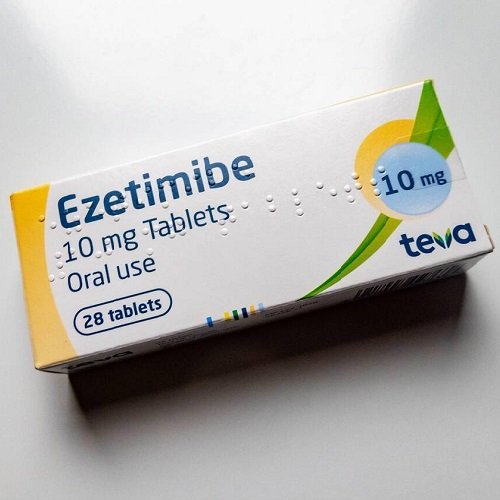
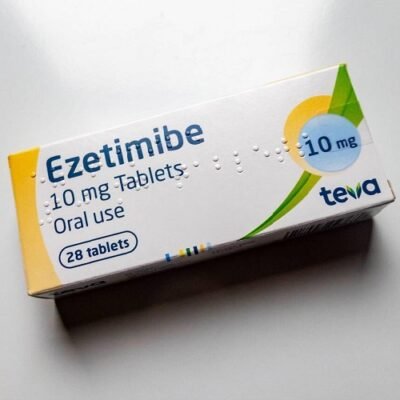
Ezetimibe 10mg
Price range: €120.00 through €820.00
Ezetimibe 10 mg is an effective cholesterol-lowering medicine that reduces the absorption of cholesterol from the intestine. It is commonly prescribed for high cholesterol, mixed hyperlipidaemia, and inherited cholesterol disorders, either alone or together with a statin. Combined with a heart-healthy diet, regular exercise, and routine medical monitoring, ezetimibe can play an important role in improving cholesterol levels and reducing the risk of cardiovascular disease.
Ezetimibe 10 mg: Uses, Dosage, Side Effects, Safety, and Frequently Asked Questions
What Is Ezetimibe 10 mg?
Ezetimibe 10 mg is a prescription medicine used to lower cholesterol levels and reduce the risk of cardiovascular complications in appropriate patients. It belongs to a class of medicines called cholesterol absorption inhibitors.
Unlike statins, which reduce the body’s production of cholesterol, ezetimibe works by blocking the absorption of cholesterol from the small intestine. This helps lower the amount of cholesterol that enters the bloodstream.
Ezetimibe may be prescribed on its own or in combination with a statin when additional cholesterol reduction is needed.
How Ezetimibe Works
The body obtains cholesterol from two main sources:
- Cholesterol produced by the liver.
- Cholesterol absorbed from food in the intestine.
Ezetimibe works by:
- Blocking the NPC1L1 (Niemann-Pick C1-Like 1) protein responsible for cholesterol absorption.
- Reducing the amount of cholesterol absorbed from the digestive tract.
- Lowering levels of low-density lipoprotein (LDL) cholesterol, often called “bad cholesterol.”
- Helping improve overall cholesterol control.
Because it works differently from statins, ezetimibe is often used alongside them for greater cholesterol reduction.
Ezetimibe 10 mg Uses
High Cholesterol (Primary Hypercholesterolaemia)
Ezetimibe is commonly prescribed to lower elevated cholesterol levels in adults and certain children, together with a healthy diet.
It may help reduce:
- LDL (“bad”) cholesterol
- Total cholesterol
Mixed Hyperlipidaemia
Ezetimibe may be used with a statin to treat people with multiple abnormal blood lipid levels.
Familial Hypercholesterolaemia
People with inherited forms of very high cholesterol may benefit from ezetimibe in combination with other cholesterol-lowering therapies.
Cardiovascular Risk Reduction
When combined with a statin in appropriate patients, ezetimibe may help lower the risk of cardiovascular events such as heart attack and stroke by improving cholesterol control.
Benefits of Ezetimibe 10 mg
When taken as prescribed, ezetimibe may help:
- Lower LDL cholesterol.
- Reduce total cholesterol.
- Improve cholesterol control when statins alone are not sufficient.
- Reduce cardiovascular risk in selected patients.
- Provide an alternative for people who cannot tolerate high-dose statins.
Ezetimibe 10 mg Dosage
The appropriate dose depends on:
- Your cholesterol levels.
- Whether it is used alone or with a statin.
- Liver function.
- Other medical conditions.
- Other medicines being taken.
General guidance:
- Take exactly as prescribed.
- The usual adult dose is 10 mg once daily.
- It may be taken at any time of the day.
- It can be taken with or without food.
Continue following a cholesterol-lowering diet while taking ezetimibe.
How to Take Ezetimibe 10 mg
For best results:
- Swallow the tablet whole with water.
- Take it at the same time each day.
- Continue treatment even if you feel well.
- Maintain healthy eating habits and regular physical activity.
If taking certain bile acid sequestrants, your healthcare provider may advise you to take ezetimibe at a different time to avoid reduced absorption.
Missed Dose
If you miss a dose:
- Take it as soon as you remember.
- Skip the missed dose if it is nearly time for your next scheduled dose.
- Do not take two doses together.
Common Side Effects
Most people tolerate ezetimibe well.
Possible side effects include:
- Headache
- Diarrhoea
- Abdominal pain
- Fatigue
- Joint pain
- Back pain
- Mild muscle aches
When taken with a statin, muscle-related side effects may occur more frequently.
Serious Side Effects
Seek immediate medical attention if you experience:
- Severe muscle pain or weakness
- Dark-coloured urine
- Severe allergic reaction
- Yellowing of the skin or eyes
- Persistent abdominal pain
- Severe skin rash
Although uncommon, these symptoms require prompt medical evaluation.
Safety Information
Before taking ezetimibe, tell your healthcare provider if you have:
- Liver disease
- Kidney disease
- Unexplained muscle problems
- A history of allergic reactions to cholesterol-lowering medicines
- Pregnancy or plans to become pregnant
If ezetimibe is used together with a statin, additional precautions related to statin therapy also apply.
Drug Interactions
Ezetimibe may interact with:
- Statins
- Cyclosporine
- Warfarin and other anticoagulants
- Fenofibrate and other fibrates
- Cholestyramine and other bile acid sequestrants
Always tell your healthcare provider about all prescription medicines, over-the-counter medicines, vitamins, and herbal supplements you take.
Diet and Lifestyle
Medicine works best when combined with healthy lifestyle habits.
Your healthcare provider may recommend:
- A diet low in saturated fat and trans fat.
- Eating more fruits, vegetables, whole grains, and fibre.
- Regular physical activity.
- Maintaining a healthy body weight.
- Avoiding smoking.
- Limiting alcohol intake.
These lifestyle changes can help improve cholesterol levels and overall cardiovascular health.
Pregnancy and Breastfeeding
If you are pregnant, planning pregnancy, or breastfeeding, consult your healthcare provider before taking ezetimibe.
Ezetimibe is generally not recommended during pregnancy when used with a statin, as statins should typically be discontinued during pregnancy. Your healthcare provider will determine the most appropriate treatment for your situation.
Storage
Store ezetimibe:
- At room temperature.
- Away from heat, moisture, and direct sunlight.
- In the original packaging.
- Out of reach of children.
Do not use after the expiry date.
Frequently Asked Questions (FAQs)
What is Ezetimibe 10 mg used for?
Ezetimibe 10 mg is used to lower cholesterol levels and reduce cardiovascular risk in appropriate patients.
Is ezetimibe a statin?
No. Ezetimibe is a cholesterol absorption inhibitor. It works differently from statins.
Can ezetimibe be taken with statins?
Yes. Ezetimibe is commonly prescribed together with statins to provide additional cholesterol reduction.
Does ezetimibe lower LDL cholesterol?
Yes. Ezetimibe effectively lowers LDL (“bad”) cholesterol by reducing cholesterol absorption from the intestine.
Can ezetimibe cause muscle pain?
Muscle pain is uncommon when ezetimibe is used alone but may occur more often when combined with a statin.
How long does ezetimibe take to work?
Cholesterol levels often begin to improve within about 2 weeks, with full effects typically seen after continued regular use.
Can I stop taking ezetimibe if my cholesterol improves?
No. High cholesterol usually has no symptoms. Continue taking the medicine unless your healthcare provider advises otherwise.
Do I need blood tests while taking ezetimibe?
Yes. Your healthcare provider may monitor cholesterol levels and, if you are also taking a statin, liver function.
Can ezetimibe be taken with food?
Yes. Ezetimibe can be taken with or without food.
What happens if I take too much ezetimibe?
Taking too much may increase the likelihood of side effects. Seek medical advice if an overdose is suspected.
Final Thoughts
Ezetimibe 10 mg is an effective cholesterol-lowering medicine that reduces the absorption of cholesterol from the intestine. It is commonly prescribed for high cholesterol, mixed hyperlipidaemia, and inherited cholesterol disorders, either alone or together with a statin. Combined with a heart-healthy diet, regular exercise, and routine medical monitoring, ezetimibe can play an important role in improving cholesterol levels and reducing the risk of cardiovascular disease.
Medical Disclaimer: This article is for educational and informational purposes only and should not replace professional medical advice, diagnosis, or treatment. Always consult a qualified healthcare professional before starting, stopping, or changing any medication.
| Quantity | 30 Pills, 60 Pills, 120 Pills, 180 Pills, 200 Pills, 250 Pills, 300 Pills, 400 Pills, 500 Pills |
|---|
Be the first to review “Ezetimibe 10mg”
Related products
Drugs

Drugs
Drugs
Drugs
Drugs
Drugs
Drugs
Drugs
Reviews
There are no reviews yet.