
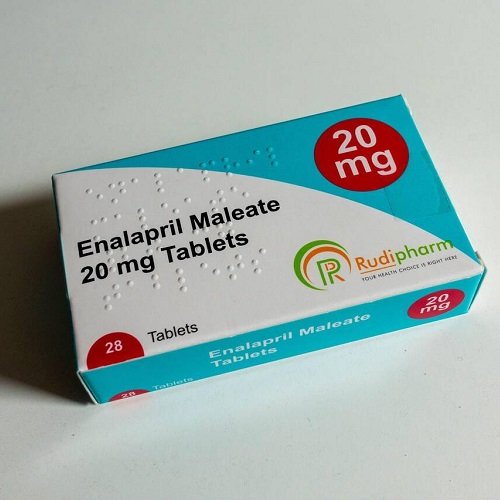
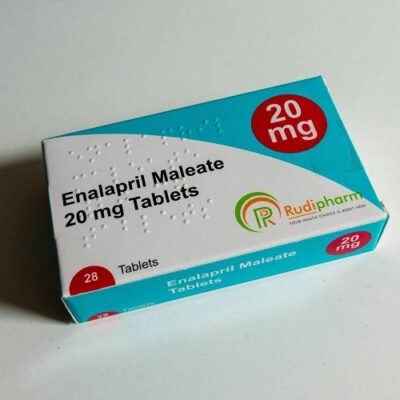
Enalapril 20mg

Price range: €120.00 through €820.00
Enalapril 20 mg is an ACE inhibitor widely used to treat high blood pressure, heart failure, and certain kidney-related conditions. By relaxing blood vessels and reducing the workload on the heart, it helps lower blood pressure and improve cardiovascular health. Regular monitoring, adherence to prescribed treatment, and healthy lifestyle choices can help maximize the benefits of enalapril while reducing the risk of complications.
Enalapril 20 mg: Uses, Dosage, Side Effects, Safety, and Frequently Asked Questions
What Is Enalapril 20 mg?
Enalapril 20 mg is a prescription medicine used to treat high blood pressure (hypertension), heart failure, and certain other heart-related conditions. It belongs to a group of medicines called angiotensin-converting enzyme (ACE) inhibitors.
Enalapril works by relaxing blood vessels, allowing blood to flow more easily. This lowers blood pressure, reduces the workload on the heart, and helps improve circulation.
Controlling high blood pressure can lower the risk of serious complications such as heart attack, stroke, kidney damage, and heart failure.
How Enalapril Works
The body produces a substance called angiotensin II, which narrows blood vessels and increases blood pressure.
Enalapril works by:
- Blocking the angiotensin-converting enzyme (ACE).
- Reducing the production of angiotensin II.
- Relaxing and widening blood vessels.
- Lowering blood pressure.
- Reducing strain on the heart.
- Helping protect kidney function in some patients.
Enalapril 20 mg Uses
High Blood Pressure (Hypertension)
Enalapril is commonly prescribed to lower high blood pressure.
Treating hypertension may help reduce the risk of:
- Stroke
- Heart attack
- Heart failure
- Kidney disease
Many people with high blood pressure have no symptoms, making regular treatment important.
Heart Failure
Enalapril is widely used as part of the treatment for heart failure.
It may help:
- Improve symptoms such as breathlessness and fatigue.
- Reduce hospital admissions related to heart failure.
- Improve heart function.
- Increase survival in some patients.
Left Ventricular Dysfunction
Enalapril may be prescribed for people with reduced pumping function of the heart, even before symptoms of heart failure develop.
Kidney Protection
In some people, particularly those with diabetes or high blood pressure, enalapril may help protect kidney function by reducing pressure within the kidneys.
Benefits of Enalapril 20 mg
When taken as prescribed, enalapril may help:
- Lower blood pressure.
- Reduce the risk of stroke and heart attack.
- Improve symptoms of heart failure.
- Help protect kidney function in certain patients.
- Improve long-term cardiovascular health.
- Reduce the workload on the heart.
Enalapril 20 mg Dosage
The correct dose depends on:
- The condition being treated.
- Blood pressure readings.
- Kidney function.
- Age.
- Other medicines being taken.
- Individual response to treatment.
General guidance:
- Take exactly as prescribed.
- It is usually taken once or twice daily, depending on your healthcare provider’s instructions.
- Take it at the same time each day.
- Do not stop taking it without medical advice, even if you feel well.
How to Take Enalapril 20 mg
For best results:
- Swallow the tablet whole with water.
- It may be taken with or without food.
- Stay well hydrated unless advised otherwise.
- Monitor your blood pressure regularly if recommended.
Lifestyle measures such as reducing salt intake, exercising regularly, and maintaining a healthy weight can enhance the benefits of treatment.
Missed Dose
If you miss a dose:
- Take it as soon as you remember.
- Skip the missed dose if it is almost time for your next dose.
- Do not take two doses together.
Common Side Effects
Common side effects may include:
- Dry, persistent cough
- Dizziness
- Headache
- Fatigue
- Low blood pressure
- Increased potassium levels
- Mild kidney function changes
These effects are often mild and may improve as your body adjusts to the medicine.
Serious Side Effects
Seek immediate medical attention if you experience:
- Swelling of the face, lips, tongue, or throat (angioedema)
- Difficulty breathing
- Severe dizziness or fainting
- Chest pain
- Yellowing of the skin or eyes
- Significant decrease in urine output
- Severe allergic reaction
Angioedema is a rare but potentially life-threatening reaction associated with ACE inhibitors.
Safety Information
Before taking enalapril, tell your healthcare provider if you have:
- Kidney disease
- Liver disease
- Previous angioedema
- Low blood pressure
- High potassium levels
- Heart valve disease
- Diabetes
- A history of allergic reactions to ACE inhibitors
Your healthcare provider may monitor your kidney function, potassium levels, and blood pressure during treatment.
Drug Interactions
Enalapril may interact with:
- Diuretics (water tablets)
- Potassium supplements
- Potassium-containing salt substitutes
- Other blood pressure medicines
- Non-steroidal anti-inflammatory drugs (NSAIDs)
- Lithium
- Certain diabetes medicines
Always tell your healthcare provider about all prescription medicines, over-the-counter medicines, vitamins, and herbal supplements you take.
Alcohol and Enalapril
Alcohol may:
- Increase dizziness.
- Lower blood pressure further.
- Increase the risk of fainting.
Discuss alcohol consumption with your healthcare provider, especially when starting treatment.
Pregnancy and Breastfeeding
Enalapril should not be used during pregnancy, particularly during the second and third trimesters, because it can seriously harm the developing baby.
If you become pregnant while taking enalapril, contact your healthcare provider immediately.
Breastfeeding recommendations vary depending on the baby’s age and your individual situation. Consult your healthcare provider before breastfeeding while taking enalapril.
Storage
Store enalapril:
- At room temperature.
- Away from moisture and direct sunlight.
- In the original packaging.
- Out of reach of children.
Do not use after the expiry date.
Frequently Asked Questions (FAQs)
What is Enalapril 20 mg used for?
Enalapril 20 mg is used to treat high blood pressure, heart failure, left ventricular dysfunction, and to help protect kidney function in certain patients.
Is enalapril a blood pressure medicine?
Yes. Enalapril is an ACE inhibitor commonly prescribed to lower blood pressure.
Can enalapril treat heart failure?
Yes. Enalapril is an important medicine used to improve symptoms and outcomes in many people with heart failure.
Why does enalapril cause a dry cough?
A persistent dry cough is a well-known side effect of ACE inhibitors. If it becomes troublesome, your healthcare provider may discuss alternative treatments.
Can enalapril affect kidney function?
Enalapril may cause temporary changes in kidney function, especially when starting treatment, so kidney tests are usually monitored.
Can enalapril increase potassium levels?
Yes. Enalapril can raise blood potassium levels, making regular blood tests important for some patients.
Can I stop taking enalapril if my blood pressure improves?
No. Continue taking enalapril unless your healthcare provider advises you to stop. High blood pressure often has no symptoms.
Can I take ibuprofen while taking enalapril?
NSAIDs such as ibuprofen may reduce the effectiveness of enalapril and increase the risk of kidney problems. Consult your healthcare provider before using them regularly.
Do I need blood tests while taking enalapril?
Yes. Your healthcare provider may monitor kidney function and potassium levels during treatment.
What happens if I take too much enalapril?
Taking too much may cause severe low blood pressure, dizziness, fainting, or kidney problems. Seek emergency medical attention if an overdose is suspected.
Final Thoughts
Enalapril 20 mg is an ACE inhibitor widely used to treat high blood pressure, heart failure, and certain kidney-related conditions. By relaxing blood vessels and reducing the workload on the heart, it helps lower blood pressure and improve cardiovascular health. Regular monitoring, adherence to prescribed treatment, and healthy lifestyle choices can help maximize the benefits of enalapril while reducing the risk of complications.
Medical Disclaimer: This article is for educational and informational purposes only and should not replace professional medical advice, diagnosis, or treatment. Always consult a qualified healthcare professional before starting, stopping, or changing any medication.
| Quantity | 30 Pills, 60 Pills, 120 Pills, 180 Pills, 200 Pills, 250 Pills, 300 Pills, 400 Pills, 500 Pills |
|---|
Be the first to review “Enalapril 20mg”
Related products
Drugs
Drugs
Drugs
Drugs
Drugs
Drugs
Drugs

Drugs
Reviews
There are no reviews yet.