
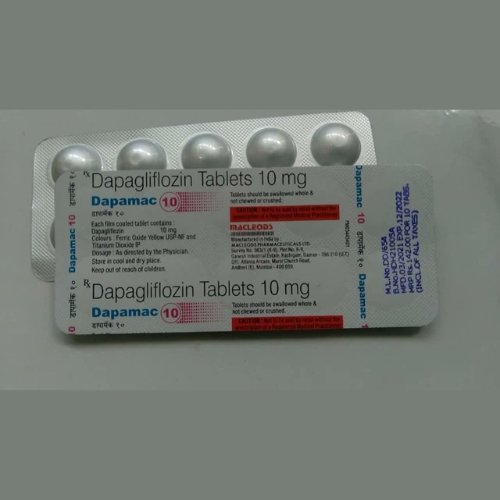
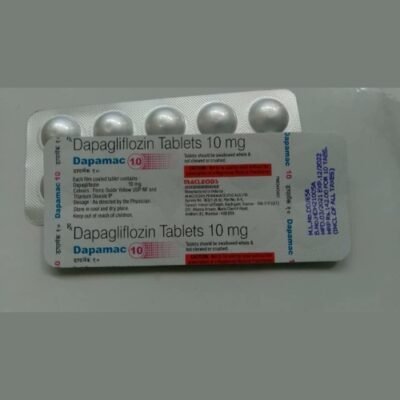
Dapagliflozin 10mg


Price range: €120.00 through €820.00
Dapagliflozin 10 mg is an important medicine used for managing type 2 diabetes and providing heart and kidney benefits for suitable patients. By helping the kidneys remove excess glucose and fluid, it can support better control of several chronic conditions. Like all medicines, it should be taken exactly as prescribed, with attention to hydration, side effects, and regular medical monitoring.
Dapagliflozin 10 mg: Uses, Dosage, Side Effects, Safety, and Frequently Asked Questions
What Is Dapagliflozin 10 mg?
Dapagliflozin 10 mg is a prescription medicine used to help manage certain health conditions, including type 2 diabetes, heart failure, and chronic kidney disease in appropriate patients.
It belongs to a group of medicines called sodium-glucose co-transporter 2 (SGLT2) inhibitors. Dapagliflozin works by helping the kidneys remove excess glucose from the blood through urine, which helps lower blood sugar levels.
In addition to its effects on blood glucose, dapagliflozin has been shown to provide benefits for the heart and kidneys in certain groups of patients.
How Dapagliflozin Works
Dapagliflozin works by blocking a protein in the kidneys called SGLT2.
Normally, the kidneys filter glucose from the blood and return much of it back into circulation. By blocking SGLT2:
- More glucose leaves the body through urine.
- Blood glucose levels are reduced.
- Excess fluid and sodium may be removed from the body.
- The workload on the heart and kidneys may be reduced.
This combination of effects makes dapagliflozin useful beyond blood sugar control alone.
Dapagliflozin 10 mg Uses
Dapagliflozin 10 mg may be prescribed for several conditions.
Type 2 Diabetes
Dapagliflozin is used alongside diet and exercise to help:
- Lower blood glucose levels
- Improve blood sugar control
- Reduce the risk of some diabetes-related complications when appropriate
It may be used alone or together with other diabetes medicines.
Heart Failure
Dapagliflozin may be used in certain adults with heart failure to help:
- Reduce the risk of hospitalisation due to worsening heart failure
- Support heart function
- Improve symptoms and quality of life
This benefit may occur even in some people who do not have diabetes.
Chronic Kidney Disease
Dapagliflozin may be prescribed for some people with chronic kidney disease to help:
- Slow kidney function decline
- Reduce the risk of certain kidney-related complications
- Protect kidney health alongside standard medical care
Benefits of Dapagliflozin 10 mg
When prescribed appropriately, dapagliflozin may help:
- Lower blood sugar levels
- Support weight management in some individuals
- Reduce excess fluid retention
- Protect kidney function in suitable patients
- Reduce certain heart failure-related risks
- Improve overall disease management
The benefits depend on the condition being treated and individual health factors.
Available Strengths
Dapagliflozin tablets are commonly available in:
- 5 mg
- 10 mg
The 10 mg strength is frequently used for heart failure, kidney disease, and some diabetes treatment plans, depending on medical guidance.
Dapagliflozin 10 mg Dosage
The correct dosage depends on:
- The condition being treated
- Kidney function
- Blood glucose levels
- Other medicines being used
- Overall health
General guidance:
- Take exactly as prescribed.
- Usually taken once daily.
- Take at the same time each day.
- Do not change your dose without medical advice.
Your healthcare provider may monitor kidney function and other health markers during treatment.
How to Take Dapagliflozin 10 mg
For best results:
- Swallow the tablet with water.
- Take it with or without food.
- Take it consistently each day.
- Follow your diabetes, heart failure, or kidney care plan.
- Maintain adequate fluid intake unless your healthcare provider advises otherwise.
Missed Dose
If you miss a dose:
- Take it when you remember.
- Skip the missed dose if it is nearly time for the next dose.
- Do not take two doses together.
Common Side Effects
Like all medicines, dapagliflozin may cause side effects.
Common side effects include:
- Increased urination
- Thirst
- Dehydration
- Genital infections
- Urinary tract infections
- Mild dizziness
- Changes in blood pressure
Maintaining good hygiene and adequate hydration may help reduce some risks.
Serious Side Effects
Seek urgent medical attention if you experience:
Diabetic Ketoacidosis (DKA) Symptoms
Although uncommon, dapagliflozin can increase the risk of diabetic ketoacidosis, which may occur even when blood sugar levels are not extremely high.
Possible symptoms include:
- Nausea or vomiting
- Stomach pain
- Difficulty breathing
- Extreme tiredness
- Confusion
Severe Dehydration
Symptoms may include:
- Severe dizziness
- Fainting
- Very low blood pressure
- Reduced urination
Serious Infections
Seek medical advice for signs of serious infection, including:
- Fever
- Severe pain
- Swelling
- Unusual discharge or irritation
Safety Information
Before taking dapagliflozin, tell your healthcare provider if you have:
- Kidney disease
- Liver problems
- Type 1 diabetes
- History of diabetic ketoacidosis
- Low blood pressure
- Frequent urinary infections
- Recurrent genital infections
- A history of dehydration
Your healthcare provider may check:
- Kidney function
- Blood glucose levels
- Blood pressure
- Overall response to treatment
Drug Interactions
Dapagliflozin may interact with:
- Diuretics (water tablets)
- Insulin
- Sulfonylurea diabetes medicines
- Other medicines that lower blood glucose
- Medicines affecting kidney function
Combining dapagliflozin with other diabetes medicines may increase the risk of low blood sugar, especially when insulin or sulfonylureas are used.
Always tell your healthcare provider about all prescription medicines, supplements, and herbal products you take.
Alcohol and Dapagliflozin
Alcohol may affect blood sugar levels and increase the risk of dehydration.
People taking dapagliflozin should discuss alcohol consumption with their healthcare provider, especially if they have diabetes or kidney disease.
Diet and Lifestyle
Dapagliflozin works best when combined with healthy lifestyle choices, including:
- A balanced diet
- Regular physical activity as recommended
- Maintaining appropriate fluid intake
- Monitoring blood glucose when advised
- Following medical appointments
Pregnancy and Breastfeeding
Dapagliflozin is generally not recommended during pregnancy unless specifically advised by a healthcare professional.
If you are pregnant, planning pregnancy, or breastfeeding, speak with your healthcare provider before taking dapagliflozin.
Storage
Store dapagliflozin:
- At room temperature.
- Away from moisture and direct sunlight.
- In the original packaging.
- Out of reach of children.
Do not use after the expiry date.
Frequently Asked Questions (FAQs)
What is dapagliflozin 10 mg used for?
Dapagliflozin 10 mg is used to treat type 2 diabetes and may also be prescribed for certain cases of heart failure and chronic kidney disease.
Is dapagliflozin insulin?
No. Dapagliflozin is not insulin. It is an SGLT2 inhibitor that works through the kidneys to remove excess glucose from the body.
Does dapagliflozin lower blood sugar?
Yes. It lowers blood sugar by increasing the amount of glucose removed through urine.
Can dapagliflozin cause weight loss?
Some people may experience modest weight reduction because of glucose loss through urine, but it is not a weight-loss medicine.
Does dapagliflozin make you urinate more?
Yes. Increased urination is a common effect because the medicine helps remove glucose and fluid through the kidneys.
Can dapagliflozin be used without diabetes?
Yes. It may be prescribed for certain people with heart failure or chronic kidney disease even if they do not have diabetes.
Should I drink more water while taking dapagliflozin?
Maintaining adequate hydration is important, but the amount needed depends on your health condition. Follow your healthcare provider’s advice.
Can dapagliflozin cause low blood sugar?
Dapagliflozin alone has a lower risk of causing low blood sugar compared with some diabetes medicines. However, the risk may increase when combined with insulin or certain diabetes medications.
What happens if I stop taking dapagliflozin suddenly?
Stopping treatment without medical advice may reduce its protective effects on blood sugar, heart, or kidney health. Speak with your healthcare provider before stopping.
Do I need tests while taking dapagliflozin?
Yes. Your healthcare provider may monitor kidney function, blood sugar levels, and overall response to treatment.
Final Thoughts
Dapagliflozin 10 mg is an important medicine used for managing type 2 diabetes and providing heart and kidney benefits for suitable patients. By helping the kidneys remove excess glucose and fluid, it can support better control of several chronic conditions. Like all medicines, it should be taken exactly as prescribed, with attention to hydration, side effects, and regular medical monitoring.
Medical Disclaimer: This article is intended for educational and informational purposes only and should not replace professional medical advice, diagnosis, or treatment. Always consult a qualified healthcare professional before starting, stopping, or changing any medication.
| Quantity | 30 Pills, 60 Pills, 120 Pills, 180 Pills, 200 Pills, 250 Pills, 300 Pills, 400 Pills, 500 Pills |
|---|
Be the first to review “Dapagliflozin 10mg”
Related products
Drugs
Drugs
Drugs

Drugs
Drugs
Drugs
Drugs

Reviews
There are no reviews yet.