

Co-Careldopa
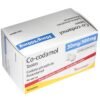

Price range: €120.00 through €820.00
Co-careldopa is one of the most widely used treatments for Parkinson’s disease because it effectively improves movement, reduces stiffness, and enhances quality of life for many patients. Taking the medication exactly as prescribed, attending regular follow-up appointments, and discussing any new symptoms or side effects with your healthcare provider are important steps in achieving the best possible treatment outcomes.
Co-careldopa: Uses, Dosage, Side Effects, Safety, and Frequently Asked Questions
What Is Co-careldopa?

Co-careldopa is a prescription medicine used to help manage the symptoms of Parkinson’s disease. It contains two active ingredients: levodopa and carbidopa. Together, these medicines increase dopamine levels in the brain, helping improve movement, coordination, and muscle control in people living with Parkinson’s disease.
Dopamine is a neurotransmitter that plays an essential role in controlling movement. In Parkinson’s disease, dopamine-producing nerve cells gradually deteriorate, leading to symptoms such as tremors, muscle stiffness, and slowed movement. Co-careldopa helps replace the missing dopamine, improving many of these symptoms.
Although Co-careldopa is highly effective at relieving symptoms, it is not a cure for Parkinson’s disease and does not stop the condition from progressing. Instead, it is an important part of long-term symptom management.
How Co-careldopa Works
Co-careldopa combines two medicines that work together:
- Levodopa is converted into dopamine after it reaches the brain.
- Carbidopa prevents levodopa from breaking down before it reaches the brain, allowing more of the medicine to be effective while reducing side effects such as nausea.
Because of this combination, lower amounts of levodopa are needed compared with using levodopa alone.
Co-careldopa Uses
Healthcare professionals prescribe Co-careldopa primarily for the treatment of Parkinson’s disease and related movement disorders.
Common uses include:
- Treating Parkinson’s disease
- Reducing muscle stiffness (rigidity)
- Improving slow movement (bradykinesia)
- Helping reduce tremors
- Improving walking ability
- Enhancing coordination
- Improving balance
- Supporting everyday mobility
- Helping with movement fluctuations in some patients
- Improving quality of life through better symptom control
Doctors may also prescribe Co-careldopa for certain forms of Parkinsonism when appropriate.
Benefits of Co-careldopa
Many patients experience noticeable improvements after starting treatment.
Potential benefits include:
- Improved mobility
- Better muscle control
- Reduced shaking
- Less stiffness
- Easier walking
- Greater independence
- Improved daily functioning
- Better fine motor skills
- Increased confidence during movement
- Enhanced overall quality of life
Response to treatment varies between individuals.
Available Forms
Depending on the country and manufacturer, Co-careldopa may be available as:
- Standard tablets
- Modified-release tablets
- Controlled-release tablets
- Dispersible tablets (in some regions)
The formulation prescribed depends on symptom control and individual treatment needs.
Co-careldopa Dosage
The correct dosage is determined by a healthcare professional based on factors such as:
- Age
- Severity of Parkinson’s disease
- Previous Parkinson’s medications
- Overall health
- Response to treatment
- Side effects experienced
Treatment usually begins with a lower dose that is gradually increased until symptoms are controlled while minimizing unwanted effects.
General dosage guidance:
- Take exactly as prescribed.
- Do not change your dose without medical advice.
- Take doses at the same time each day.
- Swallow tablets with water unless instructed otherwise.
- Continue taking the medicine even if you feel well unless your healthcare provider advises otherwise.
How to Take Co-careldopa
For best results:
- Follow your prescribed dosing schedule carefully.
- Take the medicine consistently every day.
- If nausea occurs, taking it with a light snack may help.
- Some people find that very high-protein meals reduce the effectiveness of levodopa. Speak with your healthcare provider if you notice this pattern.
- Keep all follow-up appointments so your treatment can be monitored.
Missed Dose
If you forget a dose:
- Take it as soon as you remember.
- If your next scheduled dose is close, skip the missed dose.
- Never take two doses together to make up for a missed dose.
If you regularly miss doses, discuss reminder strategies with your healthcare provider.
Common Side Effects of Co-careldopa
Like all medicines, Co-careldopa may cause side effects, although many people tolerate it well.
Common side effects include:
- Nausea
- Vomiting
- Dizziness
- Dry mouth
- Headache
- Constipation
- Loss of appetite
- Sleepiness
- Low blood pressure when standing
- Mild involuntary movements
Many side effects improve as the body becomes accustomed to treatment.
Serious Side Effects
Seek immediate medical attention if you experience:
- Severe allergic reactions
- Difficulty breathing
- Chest pain
- Irregular heartbeat
- Hallucinations
- Severe confusion
- Sudden episodes of falling asleep
- Significant mood or behavior changes
- Severe involuntary movements
- Persistent fainting
Prompt medical assessment is important if these occur.
Long-Term Use
Many individuals take Co-careldopa for years.
Over time, some people may experience:
- Wearing-off symptoms before the next dose
- Fluctuations in symptom control (“on-off” periods)
- Involuntary movements (dyskinesias)
Healthcare providers can often improve symptom control by adjusting the dosage or timing of medication.
Safety Information
Before starting Co-careldopa, tell your healthcare provider if you have:
- Heart disease
- Kidney disease
- Liver disease
- Lung disease
- Glaucoma
- Stomach ulcers
- Hormonal disorders
- Mental health conditions
- Previous medication allergies
Regular reviews help ensure safe and effective treatment.
Drug Interactions
Co-careldopa can interact with several medicines, including:
- Monoamine oxidase inhibitors (MAOIs)
- Certain antidepressants
- Antipsychotic medicines
- Iron supplements
- Blood pressure medications
- Some medicines used for nausea
Always tell your healthcare provider about all prescription medicines, over-the-counter products, vitamins, and herbal supplements you take.
Food and Lifestyle Considerations
While taking Co-careldopa:
- Eat a balanced diet.
- Stay well hydrated.
- Discuss protein intake if you notice reduced medication effectiveness.
- Exercise regularly as recommended by your healthcare provider or physiotherapist.
- Avoid driving if you experience excessive drowsiness or sudden sleep episodes.
Pregnancy and Breastfeeding
There is limited information about the use of Co-careldopa during pregnancy or breastfeeding.
If you are pregnant, planning a pregnancy, or breastfeeding, consult your healthcare provider to discuss the potential benefits and risks before using this medication.
Storage
Store Co-careldopa:
- At room temperature.
- Away from moisture and direct sunlight.
- In the original container.
- Out of the reach of children and pets.
Dispose of expired or unused medicine according to local pharmacy guidance.
Frequently Asked Questions (FAQs)
What is Co-careldopa used for?
Co-careldopa is used to manage symptoms of Parkinson’s disease, including tremors, stiffness, slow movement, and difficulties with walking and coordination.
How does Co-careldopa work?
It combines levodopa, which is converted into dopamine in the brain, with carbidopa, which helps more levodopa reach the brain by reducing its breakdown outside the brain.
How long does Co-careldopa take to work?
Some people notice improvement within a few days, while others may require several weeks to experience the full benefits.
Can Co-careldopa cure Parkinson’s disease?
No. It helps control symptoms but does not cure or stop the progression of Parkinson’s disease.
Can I stop taking Co-careldopa suddenly?
No. Stopping treatment abruptly may lead to serious complications. Always consult your healthcare provider before changing or stopping your medication.
Can Co-careldopa cause drowsiness?
Yes. Some people experience sleepiness or sudden sleep episodes. If this happens, avoid driving or operating machinery and speak with your healthcare provider.
Does Co-careldopa interact with other medicines?
Yes. It may interact with antidepressants, antipsychotics, blood pressure medicines, iron supplements, and other medications. Always inform your healthcare provider about everything you take.
Should I take Co-careldopa with food?
It can be taken with or without food. A light snack may reduce nausea, but large protein-rich meals may affect absorption in some people.
What should I do if I miss a dose?
Take it when you remember unless it is nearly time for your next scheduled dose. Do not take two doses together.
Is Co-careldopa safe for long-term use?
Many people use Co-careldopa safely for years under regular medical supervision. Your healthcare provider will monitor your treatment and adjust it as needed.
Final Thoughts
Co-careldopa is one of the most widely used treatments for Parkinson’s disease because it effectively improves movement, reduces stiffness, and enhances quality of life for many patients. Taking the medication exactly as prescribed, attending regular follow-up appointments, and discussing any new symptoms or side effects with your healthcare provider are important steps in achieving the best possible treatment outcomes.
Medical Disclaimer: This article is provided for educational and informational purposes only. It is not intended to replace professional medical advice, diagnosis, or treatment. Always seek guidance from a qualified healthcare professional regarding your medication, medical condition, or treatment plan.
| Quantity | 30 Pills, 60 Pills, 120 Pills, 180 Pills, 200 Pills, 250 Pills, 300 Pills, 400 Pills, 500 Pills |
|---|
Be the first to review “Co-Careldopa”
Related products

Drugs
Drugs


Drugs

Drugs

Drugs
Drugs

Drugs
Reviews
There are no reviews yet.