
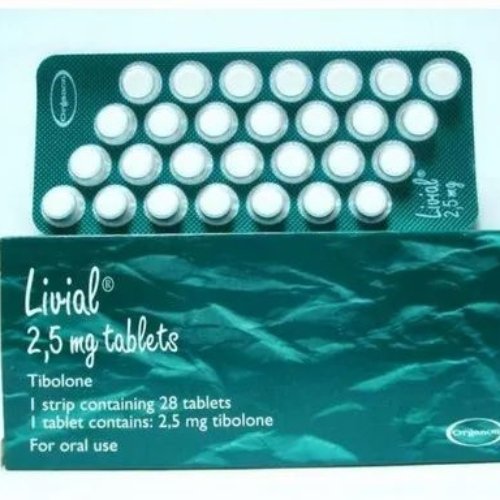

Tibolone 2.5 mg: Uses, Dosage, Side Effects, Safety, and Frequently Asked Questions
What Is Tibolone 2.5 mg?
Tibolone 2.5 mg is a prescription hormone replacement therapy (HRT) medication used to help relieve menopausal symptoms in women who are postmenopausal, generally at least 12 months after their last natural menstrual period.
Tibolone has estrogenic, progestogenic, and androgenic activity after it is metabolized in the body. This combination helps relieve menopausal symptoms while supporting bone health in appropriate patients.
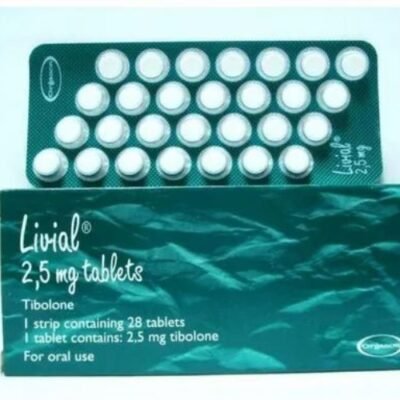
Tibolone is available as:
- 2.5 mg tablets
It is marketed under various brand names in different countries.
How Tibolone Works
After it is absorbed, tibolone is converted into active metabolites that act on different hormone receptors.
These effects may help:
- Reduce hot flashes and night sweats.
- Improve vaginal dryness.
- Help maintain bone mineral density after menopause.
- Improve overall quality of life for some postmenopausal women.
Tibolone 2.5 mg Uses
Relief of Menopausal Symptoms
Tibolone may be prescribed to relieve symptoms such as:
- Hot flashes.
- Night sweats.
- Vaginal dryness.
- Discomfort during intercourse related to menopause.
- Mood changes associated with menopause in some women.
Prevention of Osteoporosis
In selected postmenopausal women who are at increased risk of fractures and cannot use other osteoporosis treatments, tibolone may be considered to help maintain bone strength.
Benefits of Tibolone 2.5 mg
When used as prescribed, Tibolone may help:
- Reduce vasomotor symptoms such as hot flashes.
- Improve vaginal comfort and lubrication.
- Support bone health after menopause.
- Improve sleep affected by menopausal symptoms.
- Enhance quality of life in appropriate patients.
Tibolone 2.5 mg Dosage
The usual adult dose is:
- One 2.5 mg tablet once daily, or as prescribed by your healthcare provider.
General guidance:
- Take the tablet at the same time each day.
- Do not change the dose unless instructed by your healthcare provider.
- Tibolone should generally only be started after natural menopause has been established.
How to Take Tibolone
For best results:
- Swallow the tablet whole with water.
- It may be taken with or without food.
- Take it consistently at the same time every day.
- Follow your healthcare provider’s instructions regarding treatment duration.
Missed Dose
If you miss a dose:
- Take it as soon as you remember if it is within the time recommended by your healthcare provider.
- If it is close to the next scheduled dose, skip the missed dose.
- Do not take two tablets together to make up for a missed dose.
Common Side Effects
Common side effects may include:
- Abdominal pain.
- Breast tenderness.
- Headache.
- Weight changes.
- Vaginal spotting or bleeding, especially during the first few months.
- Pelvic discomfort.
Serious Side Effects
Seek immediate medical attention if you experience:
- Sudden chest pain or shortness of breath.
- Signs of a blood clot, such as swelling or pain in one leg.
- Sudden vision changes.
- Severe headache or symptoms of a stroke.
- Yellowing of the skin or eyes (possible liver problems).
- Unusual or persistent vaginal bleeding.
Safety Information
Before taking Tibolone, tell your healthcare provider if you have:
- A history of breast cancer or other hormone-sensitive cancers.
- Unexplained vaginal bleeding.
- A history of blood clots.
- Heart disease.
- Stroke.
- Liver disease.
- High blood pressure.
- High cholesterol.
- Diabetes.
- Pregnancy or breastfeeding (tibolone should not be used).
Regular medical reviews, including breast and pelvic examinations when appropriate, are important during treatment.
Drug Interactions
Tibolone may interact with:
- Blood thinners such as warfarin.
- Certain epilepsy medications.
- Rifampicin (rifampin).
- Some herbal products, including St. John’s wort.
- Other hormone therapies.
Always tell your healthcare provider about all prescription medicines, over-the-counter medicines, vitamins, and herbal supplements you use.
Alcohol and Tibolone
There is no major known direct interaction between alcohol and tibolone. However, excessive alcohol intake may increase certain health risks associated with menopause and hormone therapy. Discuss alcohol use with your healthcare provider if you have concerns.
Pregnancy and Breastfeeding
Tibolone must not be used during pregnancy or while breastfeeding.
If pregnancy occurs while taking tibolone, stop the medication and contact your healthcare provider immediately.
Storage
Store Tibolone tablets:
- At room temperature.
- Away from moisture and heat.
- In the original packaging.
- Out of reach of children.
Frequently Asked Questions (FAQs)
What is Tibolone 2.5 mg used for?
Tibolone 2.5 mg is used to relieve menopausal symptoms and, in selected women, to help prevent osteoporosis after menopause.
Is Tibolone a hormone replacement therapy?
Yes. Tibolone is a form of hormone replacement therapy used in postmenopausal women.
Can Tibolone stop hot flashes?
Yes. Tibolone is commonly prescribed to help reduce hot flashes and other menopausal symptoms.
Does Tibolone improve bone health?
Yes. It may help maintain bone mineral density and reduce the risk of osteoporosis-related fractures in selected postmenopausal women.
Can Tibolone cause vaginal bleeding?
Yes. Some women experience spotting or light vaginal bleeding, particularly during the first few months of treatment. Persistent or heavy bleeding should be evaluated by a healthcare provider.
Who should not take Tibolone?
Tibolone is generally not suitable for women who are pregnant, breastfeeding, have unexplained vaginal bleeding, a history of certain cancers, active liver disease, or a history of blood clots or stroke.
Can Tibolone be taken long term?
The duration of treatment depends on individual benefits and risks. Your healthcare provider should review treatment regularly to determine whether continued therapy is appropriate.
What happens if I take too much Tibolone?
An overdose may cause nausea, vomiting, or vaginal bleeding. Seek medical advice if an overdose is suspected.
Can Tibolone be used before menopause?
No. Tibolone is intended for women who are postmenopausal and should generally not be started until at least 12 months after the last natural menstrual period.
Final Thoughts
Tibolone 2.5 mg is a hormone replacement therapy used to manage menopausal symptoms and help maintain bone health in selected postmenopausal women. While it can significantly improve quality of life, it is not appropriate for everyone and requires careful assessment of individual benefits and risks.
Take Tibolone exactly as prescribed, attend regular medical check-ups, and promptly report any unusual bleeding, breast changes, or symptoms suggestive of blood clots or stroke.
Medical Disclaimer: This article is for educational and informational purposes only and should not replace professional medical advice, diagnosis, or treatment. Always consult a qualified healthcare professional before starting, stopping, or changing any medication.
| Quantity | 30 Pills, 60 Pills, 120 Pills, 180 Pills, 200 Pills, 250 Pills, 300 Pills, 400 Pills, 500 Pills |
|---|
Be the first to review “Tibolone 2.5mg”
Related products

Drugs
Drugs
Drugs
Drugs
Drugs
Drugs
Drugs
Reviews
There are no reviews yet.