
Sotalol 80 mg: Uses, Dosage, Side Effects, Safety, and Frequently Asked Questions
What Is Sotalol 80 mg?
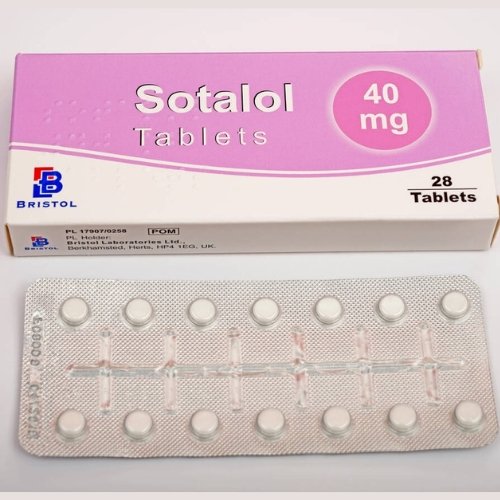
Sotalol 80 mg is a prescription antiarrhythmic medication used to treat and prevent certain types of abnormal heart rhythms (arrhythmias). It belongs to two medication classes:
- Beta-blockers
- Class III antiarrhythmic agents
Sotalol works by slowing the heart rate and helping the heart maintain a more regular rhythm.
It is available in strengths including:
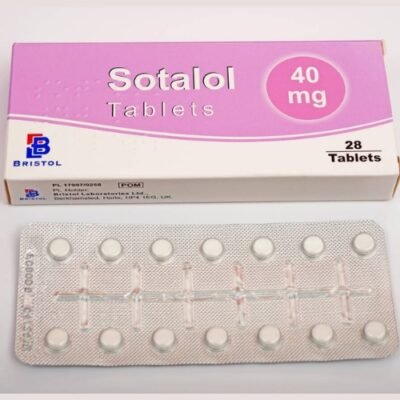
- 40 mg
- 80 mg
- 120 mg
- 160 mg
- 240 mg
How Sotalol Works
Sotalol has two main actions:
Beta-Blocking Effect
It blocks beta receptors, which can:
- Slow the heart rate.
- Reduce the effect of stress hormones on the heart.
- Decrease the heart’s workload.
Antiarrhythmic Effect
It affects potassium channels in heart cells, which helps:
- Stabilize the heart’s electrical activity.
- Maintain a regular heartbeat.
- Reduce episodes of certain abnormal rhythms.
Sotalol 80 mg Uses
Sotalol may be prescribed for:
Atrial Fibrillation (AFib)
A condition where the upper chambers of the heart beat irregularly.
Sotalol may help:
- Maintain normal heart rhythm.
- Reduce recurrence of AFib episodes.
Atrial Flutter
A rapid but organized abnormal rhythm in the upper chambers of the heart.
Ventricular Arrhythmias
Certain dangerous abnormal rhythms originating from the lower chambers of the heart may be treated with Sotalol under specialist supervision.
Benefits of Sotalol 80 mg
When used as prescribed, Sotalol may help:
- Control irregular heart rhythms.
- Reduce episodes of palpitations.
- Improve heart rhythm stability.
- Support long-term arrhythmia management.
Sotalol 80 mg Dosage
The correct dose depends on:
- Type of heart rhythm problem.
- Kidney function.
- Age.
- Heart condition.
- Response to treatment.
General guidance:
- Take exactly as prescribed.
- Dose adjustments are usually based on kidney function and heart monitoring.
- Treatment initiation or dose increases may require medical supervision because Sotalol can affect heart rhythm.
How to Take Sotalol
For best results:
- Take at the same time each day.
- Swallow tablets with water.
- Follow your healthcare provider’s instructions about food timing.
- Do not stop suddenly unless advised by a healthcare professional.
Missed Dose
If you miss a dose:
- Take it when you remember.
- If it is close to the next dose, skip the missed dose.
- Do not take two doses together.
Common Side Effects
Common side effects may include:
- Tiredness.
- Dizziness.
- Slow heartbeat.
- Weakness.
- Shortness of breath.
- Nausea.
- Cold hands or feet.
Serious Side Effects
Seek urgent medical attention if you experience:
- Fainting.
- Severe dizziness.
- New or worsening irregular heartbeat.
- Chest pain.
- Shortness of breath.
- Very slow heartbeat.
Sotalol can rarely cause a serious rhythm problem called QT prolongation, which may lead to a dangerous arrhythmia known as torsades de pointes.
Safety Information
Before taking Sotalol, tell your healthcare provider if you have:
- Heart failure.
- Slow heartbeat.
- Asthma or breathing problems.
- Kidney disease.
- Low potassium or magnesium levels.
- Heart rhythm disorders.
- Diabetes.
- Pregnancy or plans to become pregnant.
- Breastfeeding.
Kidney function and heart rhythm monitoring are often important during treatment.
Drug Interactions
Sotalol may interact with:
- Other medicines that affect heart rhythm.
- Certain antibiotics.
- Some antidepressants.
- Other beta-blockers.
- Calcium channel blockers.
- Diuretics (“water tablets”) that affect electrolytes.
- Digoxin.
Always tell your healthcare provider about all prescription medicines, over-the-counter products, vitamins, and supplements you take.
Alcohol and Sotalol
Alcohol may increase:
- Dizziness.
- Low blood pressure.
- Tiredness.
Use caution and discuss alcohol use with your healthcare provider.
Pregnancy and Breastfeeding
If you are pregnant, planning pregnancy, or breastfeeding:
- Discuss Sotalol use with your healthcare provider.
- Your provider will weigh the benefits and possible risks.
Storage
Store Sotalol tablets:
- At room temperature.
- Away from moisture and heat.
- In the original packaging.
- Out of reach of children.
Frequently Asked Questions (FAQs)
What is Sotalol 80 mg used for?
Sotalol 80 mg is used to treat and prevent certain abnormal heart rhythms, including atrial fibrillation and atrial flutter.
Is Sotalol a beta-blocker?
Yes. Sotalol has beta-blocking properties and also acts as a class III antiarrhythmic medicine.
Does Sotalol lower heart rate?
Yes. One of its effects is to slow the heart rate.
Can Sotalol cure arrhythmia?
No. Sotalol helps control abnormal heart rhythms but does not cure the underlying heart condition.
How long does Sotalol take to work?
The effect may begin after starting treatment, but the full benefit depends on the condition being treated and individual response.
Can I stop Sotalol suddenly?
No. Stopping suddenly may worsen heart rhythm problems. Always consult your healthcare provider before changing or stopping treatment.
Can older adults take Sotalol?
Yes, but older adults may need careful monitoring because kidney function changes can affect how the medicine leaves the body.
What happens if I take too much Sotalol?
An overdose may cause dangerously slow heart rate, low blood pressure, dizziness, fainting, or serious heart rhythm problems. Seek emergency medical help if an overdose is suspected.
Does Sotalol interact with other heart medicines?
Yes. Many heart medicines can interact with Sotalol, so your healthcare provider should review all medications you take.
Should Sotalol be monitored?
Yes. Heart rhythm checks and kidney function monitoring may be needed during treatment.
Final Thoughts
Sotalol 80 mg is an important medication for managing certain abnormal heart rhythms. It works by slowing the heart rate and stabilizing the heart’s electrical activity.
Because Sotalol can affect heart rhythm, it should be taken exactly as prescribed with appropriate medical monitoring. Report symptoms such as fainting, severe dizziness, chest pain, or unusual heartbeat changes promptly.
Medical Disclaimer: This article is for educational and informational purposes only and should not replace professional medical advice, diagnosis, or treatment. Always consult a qualified healthcare professional before starting, stopping, or changing any medication.
| Quantity | 30 Pills, 60 Pills, 120 Pills, 180 Pills, 200 Pills, 250 Pills, 300 Pills, 400 Pills, 500 Pills |
|---|
Be the first to review “Sotalol 80mg”
Related products
Drugs
Drugs
Drugs
Drugs
Drugs
Drugs
Drugs
Drugs
Reviews
There are no reviews yet.