
Sodium Valproate 200 mg: Uses, Dosage, Side Effects, Safety, and Frequently Asked Questions
What Is Sodium Valproate 200 mg?
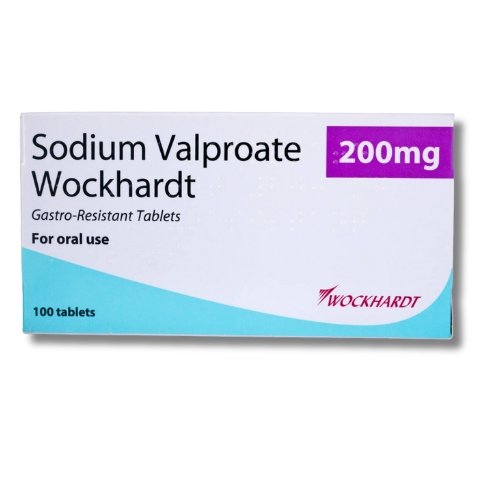
Sodium valproate 200 mg is a prescription medication used mainly to treat epilepsy (seizures) and bipolar disorder. It may also be used in some cases to help prevent migraine headaches.
Sodium valproate belongs to a group of medicines called anticonvulsants (anti-seizure medicines) and mood stabilizers. It works by increasing the activity of a natural chemical messenger in the brain called gamma-aminobutyric acid (GABA), which helps calm excessive electrical activity.
Available forms may include:
- 100 mg tablets/capsules
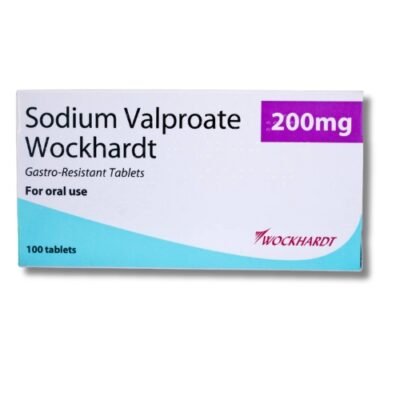
- 200 mg tablets
- 300 mg tablets
- 500 mg tablets
- Modified-release formulations
- Liquid preparations
How Sodium Valproate Works
Sodium valproate helps regulate electrical activity in the brain.
It may:
- Reduce abnormal nerve signals that cause seizures.
- Stabilize mood changes in bipolar disorder.
- Reduce excessive brain activity linked to certain neurological conditions.
Sodium Valproate 200 mg Uses
Epilepsy (Seizure Disorders)
Sodium valproate may be used to control different types of seizures, including:
- Generalized seizures.
- Absence seizures.
- Myoclonic seizures.
- Tonic-clonic seizures.
- Other seizure types as determined by a specialist.
Bipolar Disorder
It may be used as a mood stabilizer to help manage:
- Manic episodes.
- Mood swings.
- Periods of extreme mood changes.
Migraine Prevention
In some countries, sodium valproate may be used to help prevent migraine attacks when recommended by a healthcare professional.
Benefits of Sodium Valproate 200 mg
When used as prescribed, Sodium Valproate may help:
- Reduce seizure frequency.
- Improve seizure control.
- Stabilize mood in bipolar disorder.
- Prevent migraine episodes in selected patients.
Sodium Valproate 200 mg Dosage
The correct dose depends on:
- The condition being treated.
- Age and body weight.
- Other medications.
- Blood levels of valproate.
- Liver function.
- Response to treatment.
General guidance:
- Take exactly as prescribed.
- Doses are usually adjusted gradually.
- Do not stop suddenly, as this may cause seizures or worsening symptoms.
- Regular blood tests may be required.
How to Take Sodium Valproate
For best results:
- Take doses at the same time each day.
- Swallow tablets as directed.
- Some formulations should not be crushed or chewed.
- Taking it with food may help reduce stomach upset.
Missed Dose
If you miss a dose:
- Take it when you remember.
- If it is close to the next dose, skip the missed dose.
- Do not take two doses together.
Common Side Effects
Common side effects may include:
- Nausea.
- Stomach discomfort.
- Drowsiness.
- Dizziness.
- Tremors.
- Weight gain.
- Increased appetite.
- Hair thinning or hair changes.
- Tiredness.
Serious Side Effects
Seek medical attention if you experience:
- Severe abdominal pain or persistent vomiting (possible pancreatitis).
- Yellowing of the skin or eyes (possible liver problems).
- Unusual bruising or bleeding.
- Severe weakness or confusion.
- Serious skin reactions.
- Increased seizure activity.
Sodium valproate can rarely cause serious liver problems, especially in certain high-risk groups, so medical monitoring is important.
Safety Information
Before taking Sodium Valproate, tell your healthcare provider if you have:
- Liver disease.
- Pancreas problems.
- Bleeding disorders.
- Metabolic disorders.
- Kidney disease.
- Pregnancy or plans to become pregnant.
- Breastfeeding.
Regular monitoring may include:
- Liver function tests.
- Blood counts.
- Valproate blood levels when needed.
Pregnancy and Women of Childbearing Potential
Sodium valproate can cause serious risks during pregnancy, including birth defects and developmental problems in unborn babies.
If you are pregnant, planning pregnancy, or could become pregnant:
- Discuss treatment options with your healthcare provider.
- Do not stop the medication suddenly without medical advice.
- Specialist guidance is important to balance seizure control and pregnancy risks.
Drug Interactions
Sodium valproate may interact with:
- Lamotrigine.
- Carbamazepine.
- Phenytoin.
- Warfarin.
- Aspirin (especially higher doses).
- Some antibiotics.
- Other medicines that affect the nervous system.
Always inform your healthcare provider about all prescription medicines, over-the-counter drugs, vitamins, and supplements you take.
Alcohol and Sodium Valproate
Alcohol may increase:
- Drowsiness.
- Dizziness.
- Poor coordination.
Alcohol may also increase the risk of liver-related problems. Discuss alcohol use with your healthcare provider.
Storage
Store Sodium Valproate tablets:
- At room temperature.
- Away from moisture and heat.
- In the original packaging.
- Out of reach of children.
Frequently Asked Questions (FAQs)
What is Sodium Valproate 200 mg used for?
Sodium Valproate 200 mg is used to treat epilepsy, manage bipolar disorder, and in some cases prevent migraines.
Is Sodium Valproate the same as Valproic Acid?
They are closely related medicines. Sodium valproate is a sodium salt form of valproic acid and provides the same active valproate component.
Is Sodium Valproate an antidepressant?
No. It is an anticonvulsant and mood stabilizer, mainly used for seizures and bipolar disorder.
Can Sodium Valproate stop seizures?
Yes. It can help reduce or control seizures in many people when taken consistently.
Can I stop Sodium Valproate suddenly?
No. Stopping suddenly can increase the risk of seizures or worsening mood symptoms. Dose changes should be supervised by a healthcare professional.
Does Sodium Valproate cause weight gain?
Yes. Increased appetite and weight gain can occur in some people.
Can children take Sodium Valproate?
Yes. Sodium valproate may be prescribed for children with certain seizure disorders, but dosing requires specialist supervision.
Can older adults take Sodium Valproate?
Yes, but older adults may require careful monitoring because they may be more sensitive to side effects.
What happens if I take too much Sodium Valproate?
An overdose may cause severe drowsiness, confusion, breathing problems, or loss of consciousness. Seek emergency medical help if an overdose is suspected.
Does Sodium Valproate cure epilepsy?
No. It helps control seizures but does not cure epilepsy.
Final Thoughts
Sodium Valproate 200 mg is an important medication used for seizure control and mood stabilization. It can be highly effective when taken correctly, but it requires careful monitoring because of possible effects on the liver, blood cells, and pregnancy-related risks.
Always take Sodium Valproate exactly as prescribed and consult your healthcare provider before making any changes to your treatment.
Medical Disclaimer: This article is for educational and informational purposes only and should not replace professional medical advice, diagnosis, or treatment. Always consult a qualified healthcare professional before starting, stopping, or changing any medication.
| Quantity | 30 Pills, 60 Pills, 120 Pills, 180 Pills, 200 Pills, 250 Pills, 300 Pills, 400 Pills, 500 Pills |
|---|
Be the first to review “Sodium valproate 200mg”
Related products

Drugs
Drugs
Drugs

Drugs
Drugs
Drugs
Drugs

Drugs
Reviews
There are no reviews yet.