
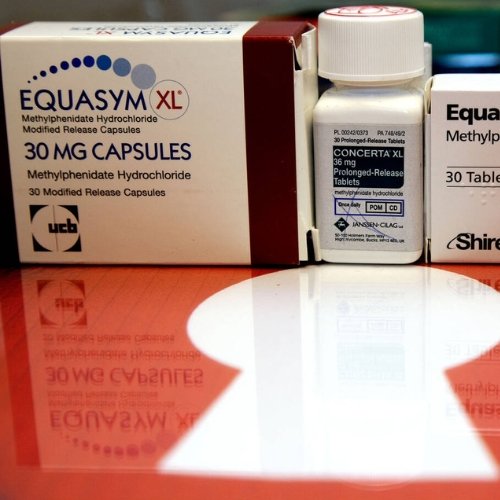
Methylphenidate children 30mg


Price range: €120.00 through €820.00
Methylphenidate 30 mg for children is a prescription ADHD medication designed to improve attention, concentration, and impulse control. It should only be used under the supervision of a qualified healthcare professional with regular monitoring.
Methylphenidate for Children 30 mg: Uses, Dosage, Side Effects, Safety, and Frequently Asked Questions
What Is Methylphenidate 30 mg for Children?
Methylphenidate 30 mg is a prescription medicine used in children and young people to help manage symptoms of attention deficit hyperactivity disorder (ADHD).
It belongs to a group of medicines called central nervous system (CNS) stimulants. Methylphenidate affects certain chemicals in the brain involved in attention, concentration, and impulse control.
Children’s methylphenidate products are available in different forms, including:
- Immediate-release tablets.
- Modified-release tablets.
- Extended-release capsules.
- Oral liquid solutions.
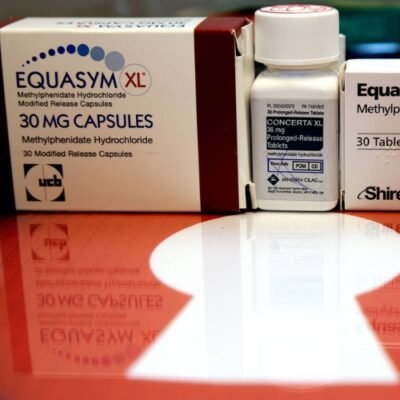
The 30 mg strength is often used in modified-release formulations or as part of an individualized treatment plan prescribed by a specialist.
How Methylphenidate Works
Methylphenidate increases the activity of brain chemicals called:
- Dopamine
- Norepinephrine
These chemicals help regulate:
- Attention.
- Focus.
- Motivation.
- Behaviour control.
By improving signalling in certain areas of the brain, methylphenidate may help children with ADHD manage symptoms more effectively.
Methylphenidate 30 mg Uses in Children
Attention Deficit Hyperactivity Disorder (ADHD)
Methylphenidate may help children who experience symptoms such as:
- Difficulty staying focused.
- Easily becoming distracted.
- Impulsiveness.
- Excessive activity or restlessness.
- Difficulty completing tasks.
- Problems with organization.
It is usually used alongside behavioural support, educational strategies, and other non-medication approaches.
Benefits of Methylphenidate for Children
When prescribed and monitored correctly, methylphenidate may help:
- Improve attention and concentration.
- Reduce impulsive behaviour.
- Improve ability to complete school and daily activities.
- Support better emotional and behavioural regulation.
- Improve participation in learning and social activities.
The response differs from child to child.
Methylphenidate 30 mg Dosage
The correct dose depends on:
- The child’s age.
- Weight.
- Symptoms.
- Type of methylphenidate product.
- Response to treatment.
- Other health conditions.
Important guidance:
- Treatment usually starts at a lower dose and may be adjusted gradually.
- The prescribed dose is determined by a healthcare professional.
- Do not change the dose without medical advice.
- Regular reviews are recommended to monitor benefits and side effects.
How Children Take Methylphenidate 30 mg
For safe use:
- Give the medicine exactly as prescribed.
- Follow instructions for the specific formulation.
- Some extended-release products should not be crushed or chewed.
- Follow timing instructions because some forms may affect sleep if taken too late.
Missed Dose
If a child misses a dose:
- Follow the instructions provided by the prescribing healthcare professional.
- Avoid giving extra doses to make up for a missed dose.
- If it is close to bedtime, seek advice before giving a missed stimulant dose.
Common Side Effects in Children
Common side effects may include:
- Reduced appetite.
- Difficulty sleeping.
- Headache.
- Stomach pain.
- Nausea.
- Dry mouth.
- Increased nervousness.
- Mood changes.
- Weight changes.
Healthcare providers may monitor height and weight during treatment.
Serious Side Effects
Seek medical advice urgently if a child experiences:
- Chest pain.
- Fainting.
- Difficulty breathing.
- Severe mood or behaviour changes.
- Hallucinations.
- Severe allergic reactions.
- Seizures.
Safety Information
Before starting methylphenidate, tell the healthcare provider if the child has:
- Heart problems.
- High blood pressure.
- Seizures.
- Tics or Tourette syndrome.
- Anxiety disorders.
- Mood disorders.
- Family history of heart rhythm problems.
Healthcare providers may monitor:
- Blood pressure.
- Heart rate.
- Growth.
- Appetite.
- Sleep patterns.
- ADHD symptom improvement.
Drug Interactions
Methylphenidate may interact with:
- MAO inhibitor medicines.
- Other stimulant medicines.
- Some antidepressants.
- Certain blood pressure medicines.
- Other medicines affecting the nervous system.
Always tell the healthcare provider about all medicines, vitamins, and supplements the child takes.
Food and Lifestyle Considerations
Helpful habits during treatment may include:
- Regular meals and healthy nutrition.
- Consistent sleep routines.
- School and behavioural support.
- Regular medical follow-up.
Pregnancy and Breastfeeding
This section is generally not applicable to children taking methylphenidate, but teenagers who may become pregnant should discuss medication use with a healthcare professional.
Storage
Store methylphenidate:
- In a secure place.
- At room temperature.
- Away from moisture and heat.
- Out of reach of children and others.
Methylphenidate is a controlled medicine in many countries, so safe storage is important.
Frequently Asked Questions (FAQs)
What is Methylphenidate 30 mg used for in children?
Methylphenidate 30 mg is used to help manage ADHD symptoms in children, including difficulties with attention, concentration, and impulse control.
Is methylphenidate safe for children?
When prescribed appropriately and monitored by a healthcare professional, methylphenidate can be an effective treatment for children with ADHD.
How long does methylphenidate take to work in children?
Some effects may appear soon after taking the medicine, depending on the formulation. Full treatment benefits are assessed over time.
Does methylphenidate cure ADHD?
No. Methylphenidate does not cure ADHD, but it may help reduce symptoms and improve daily functioning.
Can methylphenidate affect a child’s appetite?
Yes. Reduced appetite is a common side effect, and healthcare providers may monitor growth and nutrition.
Can methylphenidate affect sleep?
Yes. Taking it too late in the day may make it harder for some children to fall asleep.
Can children stop methylphenidate suddenly?
Medication changes should be discussed with the prescribing healthcare professional.
Does methylphenidate change a child’s personality?
When correctly prescribed, methylphenidate is intended to improve attention and self-control, not change a child’s personality.
Can children take methylphenidate long term?
Some children use methylphenidate long term with regular medical reviews to monitor effectiveness and safety.
What happens if a child takes too much methylphenidate?
Taking too much can be dangerous and may cause symptoms such as severe agitation, rapid heartbeat, or other serious effects. Seek urgent medical help if an overdose is suspected.
Final Thoughts
Methylphenidate 30 mg for children is a prescription ADHD medication designed to improve attention, concentration, and impulse control. It should only be used under the supervision of a qualified healthcare professional with regular monitoring.
A complete treatment plan often includes medication alongside behavioural support, educational strategies, and healthy routines to help children manage ADHD symptoms effectively.
Medical Disclaimer: This article is for educational and informational purposes only and should not replace professional medical advice, diagnosis, or treatment. Always consult a qualified healthcare professional before starting, stopping, or changing any medication.
| Quantity | 30 Pills, 60 Pills, 120 Pills, 180 Pills, 200 Pills, 250 Pills, 300 Pills, 400 Pills, 500 Pills |
|---|
Be the first to review “Methylphenidate children 30mg”
Related products
Drugs
Drugs

Drugs
Drugs
Drugs
Drugs
Drugs
Drugs
Reviews
There are no reviews yet.