
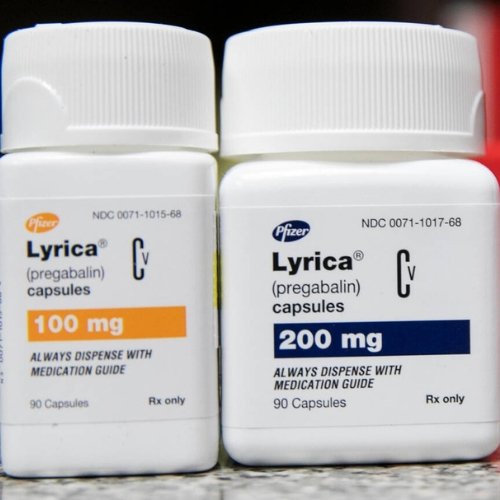


Lyrica 150 mg: Uses, Dosage, Side Effects, Safety, and Frequently Asked Questions
What Is Lyrica 150 mg?
Lyrica 150 mg is a prescription medicine containing pregabalin, which belongs to a group of medications called gabapentinoids. It is used to treat several conditions involving nerve activity, including neuropathic (nerve) pain, certain types of seizures, and fibromyalgia.
Lyrica works by reducing the release of certain neurotransmitters involved in pain signalling and abnormal electrical activity in the nervous system.
Lyrica is available in several strengths, including:
- 25 mg
- 50 mg
- 75 mg
- 100 mg
- 150 mg
- 200 mg
- 225 mg
- 300 mg
How Lyrica Works
Pregabalin binds to specific calcium channels in nerve cells, helping regulate the release of neurotransmitters.
It helps by:
- Reducing abnormal nerve signals that cause neuropathic pain.
- Lowering excessive electrical activity involved in certain seizures.
- Decreasing pain sensitivity in fibromyalgia.
Although structurally related to GABA, pregabalin does not work directly on GABA receptors.
Lyrica 150 mg Uses
Neuropathic (Nerve) Pain
Lyrica is commonly prescribed for nerve pain associated with conditions such as:
- Diabetic peripheral neuropathy.
- Postherpetic neuralgia (pain following shingles).
- Neuropathic pain after spinal cord injury (where approved).
- Other peripheral or central nerve pain conditions.
Fibromyalgia
Lyrica may help reduce:
- Widespread muscle pain.
- Tenderness.
- Sleep disturbances associated with fibromyalgia.
Partial-Onset Seizures
Lyrica may be used as an add-on treatment with other anti-seizure medicines to help control partial-onset seizures.
Generalized Anxiety Disorder (GAD)
In some countries, pregabalin is approved for treating generalized anxiety disorder (GAD) in adults. Availability for this use varies by country.
Benefits of Lyrica 150 mg
When prescribed appropriately, Lyrica may help:
- Reduce nerve pain.
- Improve sleep disrupted by chronic pain.
- Reduce seizure frequency when used with other anti-seizure medicines.
- Improve quality of life for people with fibromyalgia.
- Reduce symptoms of generalized anxiety disorder where approved.
Lyrica 150 mg Dosage
The correct dose depends on:
- The condition being treated.
- Kidney function.
- Age.
- Other medications.
- Individual response.
General guidance:
- Take exactly as prescribed.
- Treatment usually begins with a lower dose and may be increased gradually.
- People with kidney impairment often require dose adjustments.
- Do not stop taking Lyrica suddenly without medical advice.
How to Take Lyrica 150 mg
For best results:
- Take the capsule with water.
- It may be taken with or without food.
- Take it at the same time each day.
- Follow your healthcare provider’s dosing schedule carefully.
Missed Dose
If you miss a dose:
- Take it when you remember unless it is nearly time for your next dose.
- Skip the missed dose if necessary.
- Do not take two doses together.
Common Side Effects
Common side effects may include:
- Dizziness.
- Sleepiness.
- Blurred vision.
- Dry mouth.
- Weight gain.
- Swelling of the hands or feet.
- Difficulty concentrating.
- Constipation.
Serious Side Effects
Seek urgent medical attention if you experience:
- Swelling of the face, lips, tongue, or throat.
- Difficulty breathing.
- Severe allergic reactions.
- Vision changes that do not improve.
- Severe mood or behaviour changes.
- Thoughts of self-harm or suicide.
- Unusual bruising or muscle weakness.
All anti-seizure medicines carry a warning about the potential risk of suicidal thoughts or behaviour in a small number of people. Contact your healthcare provider promptly if you notice concerning changes in mood or behaviour.
Safety Information
Before taking Lyrica, tell your healthcare provider if you have:
- Kidney disease.
- Heart failure.
- Diabetes.
- A history of substance misuse.
- Depression or other mental health conditions.
- Pregnancy or plans to become pregnant.
- Breastfeeding.
Older adults may be more sensitive to dizziness and balance problems.
Drug Interactions
Lyrica may interact with:
- Opioid pain medicines.
- Sleeping tablets.
- Anti-anxiety medicines.
- Alcohol.
- Other medicines that cause drowsiness.
Combining Lyrica with medicines that depress the central nervous system may increase the risk of excessive sleepiness and breathing problems.
Alcohol and Lyrica
Alcohol may increase:
- Drowsiness.
- Dizziness.
- Poor coordination.
- Difficulty concentrating.
Avoid or limit alcohol while taking Lyrica unless your healthcare provider advises otherwise.
Pregnancy and Breastfeeding
If you are pregnant, planning pregnancy, or breastfeeding:
- Speak with your healthcare provider before taking Lyrica.
- The potential benefits and risks should be carefully considered.
Do not stop Lyrica suddenly during pregnancy without medical advice.
Storage
Store Lyrica capsules:
- At room temperature.
- Away from moisture and excessive heat.
- In the original packaging.
- Out of reach of children.
Frequently Asked Questions (FAQs)
What is Lyrica 150 mg used for?
Lyrica 150 mg is used to treat neuropathic pain, fibromyalgia, and certain seizure disorders. In some countries, it is also approved for generalized anxiety disorder.
Is Lyrica the same as pregabalin?
Yes. Lyrica is the brand name for pregabalin.
How long does Lyrica take to work?
Some people notice improvement within a few days, while others may need several weeks to experience the full benefit, depending on the condition being treated.
Can Lyrica cause weight gain?
Yes. Weight gain can occur in some people during treatment.
Can Lyrica make you sleepy?
Yes. Drowsiness and dizziness are among the most common side effects.
Can I stop taking Lyrica suddenly?
No. Lyrica should usually be reduced gradually under medical supervision to help lower the risk of withdrawal symptoms and worsening of the treated condition.
Is Lyrica addictive?
Lyrica has the potential for misuse and dependence in some individuals. It should only be taken as prescribed.
Can Lyrica affect driving?
Yes. Lyrica may impair alertness, especially when starting treatment or after a dose increase. Avoid driving or operating machinery until you know how it affects you.
Can older adults take Lyrica?
Yes, but dose adjustments may be needed, particularly in people with reduced kidney function.
What happens if I take too much Lyrica?
An overdose may cause severe drowsiness, confusion, agitation, seizures, or breathing problems. Seek emergency medical attention if an overdose is suspected.
Final Thoughts
Lyrica 150 mg (pregabalin) is a prescription medication used to treat nerve pain, fibromyalgia, and certain seizure disorders. It works by calming overactive nerve signals, helping reduce pain and abnormal electrical activity in the nervous system.
For safe and effective treatment, take Lyrica exactly as prescribed, attend regular follow-up appointments, and discuss any side effects or concerns with your healthcare provider before making changes to your medication.
Medical Disclaimer: This article is for educational and informational purposes only and should not replace professional medical advice, diagnosis, or treatment. Always consult a qualified healthcare professional before starting, stopping, or changing any medication.
| Quantity | 30 Pills, 60 Pills, 120 Pills, 180 Pills, 200 Pills, 250 Pills, 300 Pills, 400 Pills, 500 Pills |
|---|
Be the first to review “Lyrica 150mg”
Related products

Drugs

Drugs
Drugs

Drugs
Drugs

Drugs

Drugs
Drugs
Reviews
There are no reviews yet.