
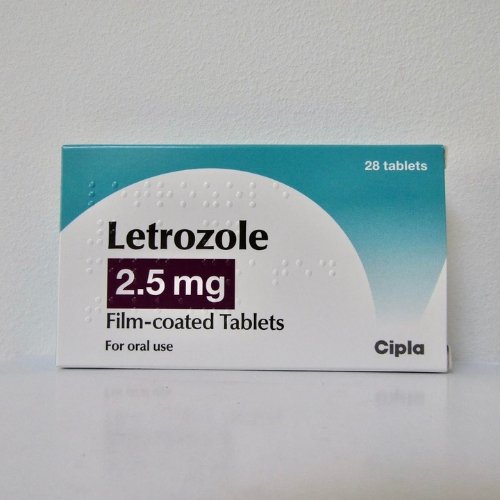

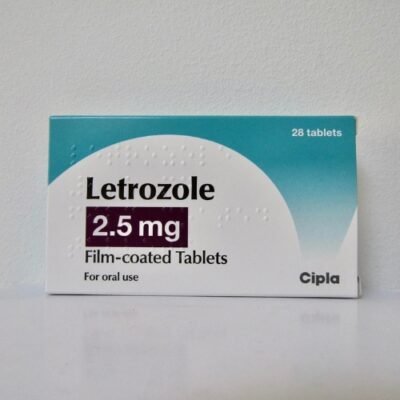
Letrozole 2.5 mg: Uses, Dosage, Side Effects, Safety, and Frequently Asked Questions
What Is Letrozole 2.5 mg?
Letrozole 2.5 mg is a prescription medicine used primarily to treat hormone receptor-positive breast cancer in postmenopausal women. It belongs to a class of medicines called aromatase inhibitors, which reduce the amount of estrogen produced in the body.
Some breast cancers rely on estrogen to grow. By lowering estrogen levels, letrozole helps slow or stop the growth of these cancers.
In addition to its approved use for breast cancer, letrozole may sometimes be prescribed off-label by fertility specialists to help stimulate ovulation in certain people with infertility, such as those with polycystic ovary syndrome (PCOS). This use should only occur under medical supervision.
How Letrozole Works
After menopause, most estrogen is produced by converting other hormones through an enzyme called aromatase.
Letrozole works by:
- Blocking the aromatase enzyme.
- Reducing estrogen production.
- Slowing the growth of estrogen-dependent breast cancer cells.
- Lowering the risk of cancer recurrence after treatment.
Letrozole 2.5 mg Uses
Early Breast Cancer
Letrozole is commonly prescribed after surgery to help reduce the risk of breast cancer returning in postmenopausal women with hormone receptor-positive disease.
Advanced or Metastatic Breast Cancer
It may also be used to treat breast cancer that has spread to other parts of the body or has returned after previous treatment.
Extended Hormone Therapy
Some people may continue letrozole after completing several years of another hormone therapy, such as tamoxifen, to further reduce the risk of recurrence.
Ovulation Induction (Off-Label)
Under the supervision of a fertility specialist, letrozole may be used to stimulate ovulation in selected individuals experiencing infertility. Treatment schedules and dosing differ from those used for breast cancer.
Benefits of Letrozole 2.5 mg
When used as prescribed, letrozole may help:
- Lower estrogen levels.
- Slow or stop the growth of hormone-sensitive breast cancer.
- Reduce the risk of breast cancer recurrence.
- Improve long-term treatment outcomes in eligible patients.
- Stimulate ovulation in carefully selected fertility treatments.
Letrozole 2.5 mg Dosage
The correct dose depends on:
- The condition being treated.
- Individual treatment goals.
- Overall health.
- Liver function.
- Response to therapy.
General guidance:
- Take exactly as prescribed.
- The tablet is usually taken once daily for breast cancer treatment.
- Continue treatment for the full duration recommended by your healthcare provider, which may be several years.
Do not change or stop treatment without medical advice.
How to Take Letrozole 2.5 mg
For best results:
- Take the tablet at the same time each day.
- Swallow it whole with water.
- It may be taken with or without food.
- Continue taking the medication even if you feel well.
If letrozole is prescribed for fertility treatment, carefully follow the schedule provided by your fertility specialist.
Missed Dose
If you miss a dose:
- Take it as soon as you remember.
- If it is almost time for your next scheduled dose, skip the missed dose.
- Do not take two doses at the same time.
Common Side Effects
Common side effects may include:
- Hot flushes.
- Joint pain.
- Muscle pain.
- Fatigue.
- Headache.
- Dizziness.
- Increased sweating.
- Nausea.
- Mild swelling.
- Bone pain.
Many side effects improve as your body adjusts to treatment.
Serious Side Effects
Seek immediate medical attention if you experience:
- Chest pain.
- Shortness of breath.
- Sudden weakness or numbness.
- Severe allergic reactions.
- Persistent bone pain.
- Unusual fractures.
- Severe liver problems, such as yellowing of the skin or eyes.
Long-term use may reduce bone mineral density and increase the risk of osteoporosis and fractures.
Safety Information
Before taking letrozole, tell your healthcare provider if you have:
- Osteoporosis or low bone density.
- Liver disease.
- High cholesterol.
- Heart disease.
- Kidney disease.
Your healthcare provider may recommend periodic monitoring of bone health and cholesterol levels during treatment.
Drug Interactions
Letrozole may interact with:
- Tamoxifen.
- Estrogen-containing medicines, including some hormone replacement therapies.
- Certain prescription medicines that affect liver enzymes.
Always tell your healthcare provider about all prescription medicines, over-the-counter products, vitamins, and herbal supplements you are taking.
Alcohol and Letrozole
There is no known major direct interaction between alcohol and letrozole. However, alcohol may worsen side effects such as dizziness or fatigue in some people.
If you choose to drink alcohol, discuss this with your healthcare provider.
Pregnancy and Breastfeeding
Letrozole should not be used during pregnancy because it may harm a developing baby.
Women who could become pregnant should discuss appropriate contraception with their healthcare provider during treatment and for the recommended period after stopping letrozole.
Breastfeeding is generally not recommended while taking letrozole.
Storage
Store letrozole tablets:
- At room temperature.
- Away from excessive heat and moisture.
- In the original packaging.
- Out of reach of children.
Do not use after the expiry date.
Frequently Asked Questions (FAQs)
What is Letrozole 2.5 mg used for?
Letrozole 2.5 mg is mainly used to treat hormone receptor-positive breast cancer in postmenopausal women. It may also be prescribed off-label by fertility specialists to induce ovulation in selected patients.
How does letrozole work?
It blocks the aromatase enzyme, reducing estrogen production and slowing the growth of hormone-sensitive breast cancer cells.
How long do people take letrozole?
Treatment duration varies depending on the condition, but breast cancer therapy often continues for several years under medical supervision.
Can letrozole cause joint pain?
Yes. Joint and muscle pain are among the most commonly reported side effects.
Does letrozole affect bone health?
Yes. Long-term use may reduce bone density, so your healthcare provider may monitor bone health during treatment.
Can letrozole be used for fertility treatment?
Yes. Fertility specialists may prescribe letrozole off-label to stimulate ovulation in selected individuals.
Can I stop taking letrozole suddenly?
Do not stop treatment without discussing it with your healthcare provider, as doing so may affect your treatment outcomes.
Can I take letrozole with food?
Yes. Letrozole may be taken with or without food.
What happens if I take too much letrozole?
Taking too much letrozole may increase the risk of side effects. Contact your healthcare provider or seek emergency medical attention if an overdose is suspected.
Does letrozole cure breast cancer?
Letrozole is an important part of treatment for many people with hormone receptor-positive breast cancer, but whether a cancer is cured depends on many factors, including the stage of disease and the overall treatment plan.
Final Thoughts
Letrozole 2.5 mg is a widely used aromatase inhibitor that helps treat hormone receptor-positive breast cancer by lowering estrogen levels. It also has an established off-label role in fertility treatment under specialist supervision.
For the best results, take letrozole exactly as prescribed, attend regular follow-up appointments, and discuss any side effects—especially joint pain or concerns about bone health—with your healthcare provider. Never stop treatment without medical advice.
Medical Disclaimer: This article is for educational and informational purposes only and should not replace professional medical advice, diagnosis, or treatment. Always consult a qualified healthcare professional before starting, stopping, or changing any medication.
| Quantity | 30 Pills, 60 Pills, 120 Pills, 180 Pills, 200 Pills, 250 Pills, 300 Pills, 400 Pills, 500 Pills |
|---|
Be the first to review “Letrozole 2.5mg”
Related products

Drugs
Drugs
Drugs

Drugs

Drugs

Drugs


Drugs
Reviews
There are no reviews yet.