
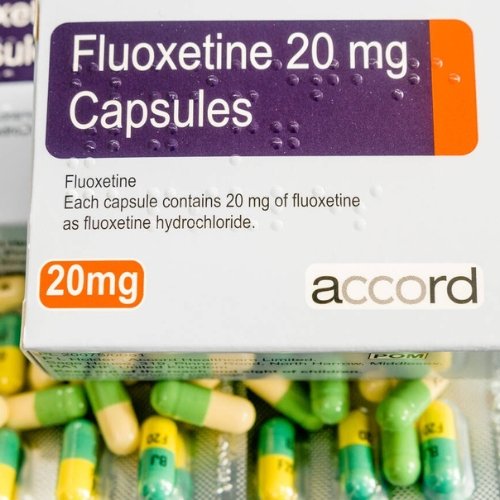
Fluoxetine (Prozac) 20mg

Price range: €120.00 through €820.00
Fluoxetine (Prozac) 20 mg is a widely prescribed SSRI antidepressant used to treat depression and several related mental health conditions. By increasing serotonin activity in the brain, it helps improve mood, reduce anxiety symptoms, and support emotional balance. Because fluoxetine takes time to work and may interact with other medicines, it should always be taken exactly as prescribed with regular medical follow-up.
Fluoxetine (Prozac) 20 mg: Uses, Dosage, Side Effects, Safety, and Frequently Asked Questions
What Is Fluoxetine (Prozac) 20 mg?
Fluoxetine 20 mg, commonly known by the brand name Prozac, is a prescription medicine used to treat depression and several anxiety-related mental health conditions. It belongs to a group of medicines called selective serotonin reuptake inhibitors (SSRIs).
Fluoxetine works by increasing levels of serotonin in the brain. Serotonin is a chemical messenger involved in regulating mood, emotions, sleep, appetite, and behaviour.
Fluoxetine is one of the most widely used antidepressants and may be prescribed as part of a treatment plan that can include psychological therapy, lifestyle changes, and ongoing medical support.
How Fluoxetine Works
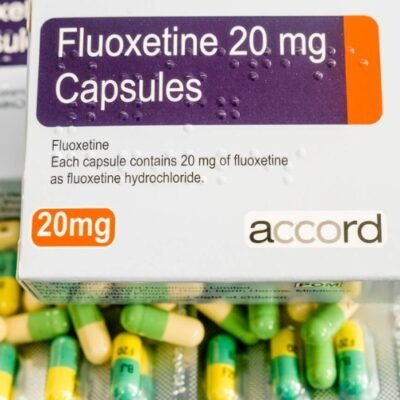
Serotonin helps nerve cells communicate and plays an important role in emotional regulation.
Fluoxetine works by:
- Blocking the reabsorption (reuptake) of serotonin.
- Increasing serotonin availability between brain cells.
- Improving communication between nerve pathways.
- Helping regulate mood and anxiety symptoms.
Fluoxetine does not provide immediate relief. It usually takes several weeks for the full therapeutic effects to develop.
Fluoxetine (Prozac) 20 mg Uses
Major Depressive Disorder (Depression)
Fluoxetine is commonly prescribed to treat depression symptoms, including:
- Persistent low mood
- Loss of interest or enjoyment
- Low energy
- Difficulty concentrating
- Changes in sleep or appetite
- Feelings of worthlessness or excessive guilt
It may help improve mood, motivation, and daily functioning over time.
Obsessive-Compulsive Disorder (OCD)
Fluoxetine may be used to treat obsessive-compulsive disorder by helping reduce:
- Repetitive unwanted thoughts
- Compulsive behaviours
- Anxiety associated with obsessions
Panic Disorder
Fluoxetine may help reduce:
- Panic attacks
- Fear associated with panic episodes
- Anxiety symptoms
Bulimia Nervosa
Fluoxetine is approved in some regions for the treatment of bulimia nervosa and may help reduce episodes of binge eating and related behaviours when used as part of a comprehensive treatment plan.
Premenstrual Dysphoric Disorder (PMDD)
Fluoxetine may be prescribed for PMDD, a condition involving severe mood and physical symptoms related to the menstrual cycle.
Benefits of Fluoxetine 20 mg
When taken as prescribed, fluoxetine may help:
- Improve symptoms of depression.
- Reduce anxiety symptoms.
- Decrease panic attacks.
- Reduce obsessive thoughts and compulsive behaviours.
- Improve emotional stability.
- Support improved quality of life.
Benefits often become noticeable after several weeks of regular treatment.
Fluoxetine 20 mg Dosage
The correct dose depends on:
- The condition being treated.
- Age.
- Medical history.
- Other medicines being taken.
- Individual response to treatment.
General guidance:
- Take exactly as prescribed.
- Fluoxetine is commonly taken once daily.
- It may be taken in the morning if it affects sleep.
- It can be taken with or without food.
- Do not change the dose without medical advice.
Your healthcare provider may adjust your dose depending on your response and side effects.
How to Take Fluoxetine 20 mg
For best results:
- Take the medicine at the same time each day.
- Swallow capsules or tablets with water.
- Continue taking it even if you do not notice immediate improvement.
- Attend follow-up appointments to monitor progress.
Do not stop fluoxetine suddenly without medical advice, as your healthcare provider may recommend a gradual dose reduction.
Missed Dose
If you miss a dose:
- Take it when you remember.
- Skip it if it is close to your next scheduled dose.
- Do not take two doses together.
Common Side Effects
Common side effects may include:
- Nausea
- Headache
- Difficulty sleeping
- Tiredness
- Dizziness
- Sweating
- Dry mouth
- Diarrhoea
- Changes in appetite
- Reduced sexual desire or sexual difficulties
Many side effects improve as the body adjusts to treatment.
Serious Side Effects
Seek urgent medical attention if you experience:
- Severe allergic reaction
- Serotonin syndrome symptoms (such as agitation, confusion, fever, muscle stiffness, or rapid heartbeat)
- Seizures
- Severe bleeding or unusual bruising
- Significant mood changes
- Severe skin reactions
- Signs of low sodium levels, such as confusion, weakness, or seizures
People starting antidepressants should be monitored closely for changes in mood or behaviour, especially during the early stages of treatment or after dose changes.
Safety Information
Before taking fluoxetine, tell your healthcare provider if you have:
- Bipolar disorder or a history of manic episodes
- Epilepsy or seizures
- Liver disease
- Heart rhythm problems
- Bleeding disorders
- Glaucoma
- Low sodium levels
- Previous allergic reactions to antidepressants
Fluoxetine remains in the body for a relatively long time compared with many other SSRIs, so medication changes should always be discussed with a healthcare professional.
Drug Interactions
Fluoxetine may interact with:
- Monoamine oxidase inhibitors (MAOIs)
- Other antidepressants
- Lithium
- Tramadol
- Migraine medicines called triptans
- Blood thinners such as warfarin
- Aspirin and NSAIDs
- St John’s wort
- Certain antipsychotic medicines
Always inform your healthcare provider about all prescription medicines, supplements, and herbal products you take.
Alcohol and Fluoxetine
Alcohol may:
- Increase drowsiness or dizziness.
- Affect concentration.
- Worsen depression or anxiety symptoms.
Discuss alcohol use with your healthcare provider while taking fluoxetine.
Pregnancy and Breastfeeding
If you are pregnant, planning pregnancy, or breastfeeding, speak with your healthcare provider before taking fluoxetine.
Your healthcare provider will assess the potential benefits and risks based on your individual situation.
Storage
Store fluoxetine:
- At room temperature.
- Away from heat and moisture.
- In the original packaging.
- Out of reach of children.
Do not use after the expiry date.
Frequently Asked Questions (FAQs)
What is Fluoxetine (Prozac) 20 mg used for?
Fluoxetine 20 mg is used to treat depression, obsessive-compulsive disorder, panic disorder, bulimia nervosa, and premenstrual dysphoric disorder in appropriate patients.
Is Prozac the same as fluoxetine?
Yes. Prozac is a brand name for fluoxetine.
How long does fluoxetine take to work?
Some improvement may appear within a few weeks, but full benefits often take 4 to 6 weeks or longer.
Is fluoxetine addictive?
No. Fluoxetine is not considered addictive, but stopping it suddenly may cause discontinuation symptoms in some people.
Can fluoxetine help with anxiety?
Yes. Fluoxetine may be prescribed for several anxiety-related conditions, including panic disorder and OCD.
Does fluoxetine cause weight gain?
Weight changes can occur, but the effect varies between individuals. Some people experience weight loss initially, while others may gain weight during longer treatment.
Can I stop taking fluoxetine suddenly?
Speak with your healthcare provider before stopping. A planned reduction may be recommended depending on your treatment situation.
Can fluoxetine be taken with other antidepressants?
Only under medical supervision. Combining antidepressants can increase the risk of serious interactions.
Does fluoxetine make you sleepy?
Some people feel tired, while others experience increased energy or difficulty sleeping.
What happens if I take too much fluoxetine?
An overdose may cause nausea, vomiting, agitation, dizziness, seizures, heart rhythm changes, or serotonin syndrome. Seek emergency medical help if an overdose is suspected.
Final Thoughts
Fluoxetine (Prozac) 20 mg is a widely prescribed SSRI antidepressant used to treat depression and several related mental health conditions. By increasing serotonin activity in the brain, it helps improve mood, reduce anxiety symptoms, and support emotional balance. Because fluoxetine takes time to work and may interact with other medicines, it should always be taken exactly as prescribed with regular medical follow-up.
Medical Disclaimer: This article is for educational and informational purposes only and should not replace professional medical advice, diagnosis, or treatment. Always consult a qualified healthcare professional before starting, stopping, or changing any medication.
| Quantity | 30 Pills, 60 Pills, 120 Pills, 180 Pills, 200 Pills, 250 Pills, 300 Pills, 400 Pills, 500 Pills |
|---|
Be the first to review “Fluoxetine (Prozac) 20mg”
Related products

Drugs

Drugs
Drugs

Drugs
Drugs

Drugs


Drugs
Reviews
There are no reviews yet.