

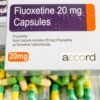
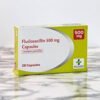
Fluconazole 150 mg: Uses, Dosage, Side Effects, Safety, and Frequently Asked Questions
What Is Fluconazole 150 mg?
Fluconazole 150 mg is a prescription antifungal medication used to treat infections caused by fungi, especially infections caused by Candida species. It belongs to a group of medicines called azole antifungals.
Fluconazole works by stopping fungi from producing ergosterol, an essential component of fungal cell membranes. Without ergosterol, fungal cells become damaged and are unable to grow or survive.
Fluconazole 150 mg is commonly used as a single-dose treatment for vaginal thrush (vulvovaginal candidiasis), although the dosage and duration depend on the type and severity of infection.
How Fluconazole Works

Fungi need a healthy cell membrane to survive.
Fluconazole works by:
- Blocking the fungal enzyme responsible for making ergosterol.
- Weakening fungal cell membranes.
- Preventing fungal growth and reproduction.
- Helping the body’s immune system clear the infection.
It targets fungi rather than bacteria, meaning it is not effective against bacterial infections.
Fluconazole 150 mg Uses
Vaginal Thrush (Vaginal Candidiasis)
Fluconazole 150 mg is commonly prescribed for vaginal yeast infections caused by Candida.
Symptoms may include:
- Vaginal itching or irritation
- Unusual discharge
- Burning sensation
- Discomfort during urination
- Redness or swelling
A healthcare provider may recommend a single 150 mg dose for uncomplicated cases.
Oral Thrush
Fluconazole may be used to treat fungal infections in the mouth and throat, including:
- White patches in the mouth
- Mouth soreness
- Difficulty swallowing
- Throat irritation
Longer treatment courses may be required depending on severity.
Skin Fungal Infections
Fluconazole may be prescribed for certain fungal skin infections, including:
- Ringworm infections
- Fungal infections affecting moist skin areas
- Certain yeast-related skin conditions
Other Candida Infections
In some situations, fluconazole may be used to treat more serious Candida infections affecting internal organs. These cases require medical supervision and carefully selected treatment plans.
Benefits of Fluconazole 150 mg
When used appropriately, fluconazole may help:
- Eliminate fungal infections.
- Relieve itching and irritation.
- Reduce fungal overgrowth.
- Provide convenient oral treatment.
- Treat infections that may not respond to topical antifungal medicines.
Fluconazole 150 mg Dosage
The correct dosage depends on:
- The type of fungal infection.
- Severity of infection.
- Immune system function.
- Liver and kidney health.
- Other medicines being taken.
General guidance:
- Take exactly as prescribed.
- A single 150 mg dose may be used for some uncomplicated vaginal yeast infections.
- Other fungal infections may require repeated doses or longer treatment.
- Do not repeat doses unless advised by a healthcare professional.
How to Take Fluconazole 150 mg
For best results:
- Swallow the capsule or tablet with water.
- It may be taken with or without food.
- Take it at the time recommended by your healthcare provider.
- Complete any prescribed treatment course.
Symptoms may improve before the infection has fully cleared.
Missed Dose
If you are taking fluconazole as a multi-dose treatment:
- Take the missed dose when you remember.
- Skip it if it is close to your next scheduled dose.
- Do not double the dose.
If prescribed as a single dose, follow your healthcare provider’s instructions.
Common Side Effects
Common side effects may include:
- Headache
- Nausea
- Stomach pain
- Diarrhoea
- Indigestion
- Dizziness
- Changes in taste
These effects are usually mild and temporary.
Serious Side Effects
Seek immediate medical attention if you experience:
- Severe allergic reaction
- Difficulty breathing
- Swelling of the face, lips, tongue, or throat
- Severe skin rash or blistering
- Yellowing of the skin or eyes
- Dark urine
- Unusual tiredness
- Irregular heartbeat or fainting
Rarely, fluconazole may affect liver function or heart rhythm.
Safety Information
Before taking fluconazole, tell your healthcare provider if you have:
- Liver disease
- Kidney disease
- Heart rhythm problems
- Low potassium or magnesium levels
- Previous allergic reactions to azole antifungal medicines
- A weakened immune system
People with certain medical conditions may require monitoring during treatment.
Drug Interactions
Fluconazole can interact with several medicines, including:
- Warfarin and other blood thinners
- Certain statins used to lower cholesterol
- Some diabetes medicines
- Phenytoin
- Certain antidepressants
- Some heart rhythm medicines
- Cyclosporine and other immune-suppressing medicines
Always tell your healthcare provider about all prescription medicines, over-the-counter products, vitamins, and herbal supplements you take.
Alcohol and Fluconazole
Alcohol does not have a major direct interaction with fluconazole, but alcohol may:
- Increase stomach discomfort.
- Place additional strain on the liver.
- Worsen some side effects.
People with liver problems should discuss alcohol use with their healthcare provider.
Pregnancy and Breastfeeding
If you are pregnant, planning pregnancy, or breastfeeding, speak with your healthcare provider before taking fluconazole.
Treatment recommendations may vary depending on the type and severity of infection and the stage of pregnancy.
Storage
Store fluconazole:
- At room temperature.
- Away from moisture and direct sunlight.
- In the original packaging.
- Out of reach of children.
Do not use after the expiry date.
Frequently Asked Questions (FAQs)
What is Fluconazole 150 mg used for?
Fluconazole 150 mg is commonly used to treat vaginal thrush and other fungal infections caused by Candida.
Is fluconazole an antibiotic?
No. Fluconazole is an antifungal medicine and does not treat bacterial infections.
How long does fluconazole take to work?
Many people notice improvement within a few days, although complete clearing of symptoms may take longer.
Can men take fluconazole?
Yes. Fluconazole may be prescribed for certain fungal infections in men, depending on the diagnosis.
Can fluconazole treat bacterial infections?
No. Fluconazole only works against fungal infections.
Can I take fluconazole with food?
Yes. Fluconazole can usually be taken with or without food.
Is one 150 mg dose enough?
For some uncomplicated vaginal yeast infections, a single 150 mg dose may be sufficient. Other infections require different treatment plans.
Can fluconazole cause stomach problems?
Yes. Nausea, stomach pain, and diarrhoea are possible side effects.
Can fluconazole affect the liver?
Rarely, fluconazole can cause liver problems, especially iFluconazole 150 mg is an effective oral antifungal medicine commonly used to treat yeast infections, particularly vaginal thrush caused by Candida. It works by disrupting fungal cell membrane production, helping eliminate fungal growth and relieve symptoms. For safe and effective treatment, take fluconazole exactly as prescribed, inform your healthcare provider about other medicines you use, and seek medical advice if symptoms persist or return frequently.n people with existing liver disease or those taking longer courses.
What happens if I take too much fluconazole?
Taking too much may increase side effects such as nausea, dizziness, confusion, or abnormal heart rhythm. Seek medical advice if an overdose is suspected.
Final Thoughts
Medical Disclaimer: This article is for educational and informational purposes only and should not replace professional medical advice, diagnosis, or treatment. Always consult a qualified healthcare professional before starting, stopping, or changing any medication.
| Quantity | 30 Pills, 60 Pills, 120 Pills, 180 Pills, 200 Pills, 250 Pills, 300 Pills, 400 Pills, 500 Pills |
|---|
Be the first to review “Fluconazole 150mg”
Related products
Drugs

Drugs

Drugs
Drugs
Drugs
Drugs
Drugs
Reviews
There are no reviews yet.