
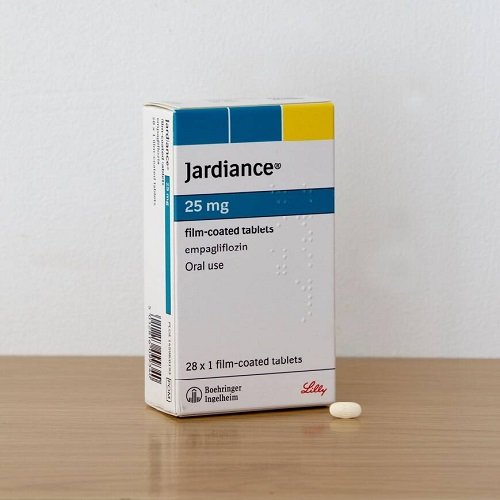
Empagliflozin 25mg

Price range: €120.00 through €820.00
Empagliflozin 25 mg is an SGLT2 inhibitor used to improve blood sugar control in adults with type 2 diabetes while also providing important heart and kidney benefits for many eligible patients. By helping the kidneys remove excess glucose, it supports diabetes management and may reduce the risk of cardiovascular and kidney complications. To ensure safe and effective treatment, take empagliflozin exactly as prescribed and attend regular medical check-ups to monitor blood sugar, kidney function, and overall health.
Empagliflozin 25 mg: Uses, Dosage, Side Effects, Safety, and Frequently Asked Questions
What Is Empagliflozin 25 mg?
Empagliflozin 25 mg is a prescription medicine used to help manage type 2 diabetes and reduce the risk of certain cardiovascular and kidney complications in eligible adults. It belongs to a class of medicines called sodium-glucose co-transporter 2 (SGLT2) inhibitors.
Empagliflozin works by helping the kidneys remove excess glucose (sugar) from the bloodstream through the urine. This helps lower blood sugar levels and offers additional benefits for heart and kidney health in some patients.
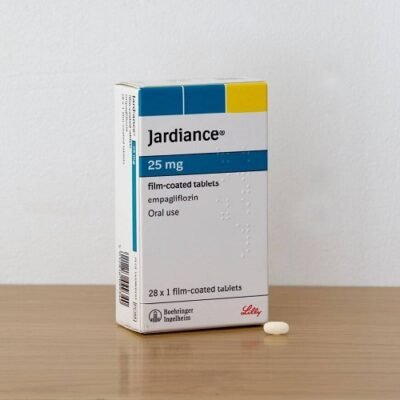
The medicine is commonly available under the brand name Jardiance®, although generic versions may also be available depending on the country.
How Empagliflozin Works
The kidneys normally filter glucose from the blood and then reabsorb most of it back into the body.
Empagliflozin works by:
- Blocking the SGLT2 protein in the kidneys.
- Reducing glucose reabsorption.
- Increasing the amount of glucose removed in the urine.
- Lowering blood sugar levels.
- Helping reduce strain on the heart and kidneys in certain patients.
Because it works independently of insulin, empagliflozin can be used alone or in combination with other diabetes medicines.
Empagliflozin 25 mg Uses
Type 2 Diabetes
Empagliflozin is primarily prescribed to improve blood sugar control in adults with type 2 diabetes, alongside a healthy diet and regular physical activity.
It may help:
- Lower blood glucose levels.
- Improve long-term blood sugar control (HbA1c).
- Support overall diabetes management.
It is not used to treat type 1 diabetes.
Reducing Cardiovascular Risk
Empagliflozin may be prescribed for eligible adults with type 2 diabetes and established cardiovascular disease to help reduce the risk of cardiovascular death.
Heart Failure
In some patients, empagliflozin is used to help manage certain types of heart failure, including heart failure with reduced or preserved ejection fraction, depending on current treatment guidelines and individual circumstances.
It may help:
- Reduce hospitalizations related to heart failure.
- Improve symptoms in some patients.
Chronic Kidney Disease
Empagliflozin may also be prescribed for some adults with chronic kidney disease (CKD) to help slow the progression of kidney disease and reduce the risk of certain complications.
Benefits of Empagliflozin 25 mg
When used as prescribed, empagliflozin may help:
- Lower blood sugar levels.
- Improve HbA1c.
- Reduce the risk of certain cardiovascular complications.
- Support kidney health in eligible patients.
- Help reduce hospitalization for heart failure.
- Promote modest weight loss in some people.
- Contribute to a small reduction in blood pressure.
Empagliflozin 25 mg Dosage
The appropriate dose depends on:
- The condition being treated.
- Kidney function.
- Blood sugar control.
- Other medicines being taken.
- Individual response to treatment.
General guidance:
- Take exactly as prescribed.
- Usually taken once daily.
- May be taken with or without food.
- Continue treatment even if you feel well unless advised otherwise by your healthcare provider.
Your doctor may monitor kidney function before and during treatment.
How to Take Empagliflozin 25 mg
For best results:
- Swallow the tablet whole with water.
- Take it at the same time each day.
- Stay well hydrated unless your healthcare provider has advised otherwise.
- Continue following your recommended diet and exercise plan.
Regular monitoring of blood glucose is an important part of diabetes management.
Missed Dose
If you miss a dose:
- Take it when you remember on the same day.
- Skip the missed dose if it is nearly time for your next dose.
- Do not take two doses together.
Common Side Effects
Common side effects may include:
- Increased urination
- Thirst
- Mild dehydration
- Urinary tract infections (UTIs)
- Genital yeast infections
- Headache
- Dizziness
- Low blood pressure, particularly when standing up
Many people tolerate the medicine well, but maintaining adequate fluid intake may help reduce dehydration.
Serious Side Effects
Seek immediate medical attention if you experience:
- Signs of ketoacidosis, such as nausea, vomiting, abdominal pain, rapid breathing, unusual tiredness, or confusion
- Severe allergic reactions
- Symptoms of severe dehydration
- Persistent fever or severe infection
- Severe pain, redness, or swelling around the genital or perineal area (a rare but serious infection)
- Significant decrease in urine output
Although uncommon, these side effects require urgent medical evaluation.
Safety Information
Before taking empagliflozin, tell your healthcare provider if you have:
- Kidney disease
- Liver disease
- Low blood pressure
- Frequent urinary tract infections
- Recurrent yeast infections
- A history of ketoacidosis
- A low-carbohydrate or ketogenic diet
- Pancreatic disorders
Older adults may have a higher risk of dehydration and low blood pressure.
Drug Interactions
Empagliflozin may interact with:
- Insulin
- Sulfonylureas
- Diuretics (“water tablets”)
- Other diabetes medicines
- Blood pressure medicines
- Lithium (monitoring may be required)
Always tell your healthcare provider about all prescription medicines, over-the-counter medicines, vitamins, and herbal supplements you take.
Alcohol and Empagliflozin
Alcohol may:
- Increase the risk of dehydration.
- Affect blood sugar levels.
- Increase the risk of ketoacidosis in some individuals.
Discuss alcohol consumption with your healthcare provider.
Pregnancy and Breastfeeding
If you are pregnant, planning pregnancy, or breastfeeding, speak with your healthcare provider before taking empagliflozin.
This medicine is generally not recommended during the second and third trimesters of pregnancy and is usually avoided during breastfeeding unless specifically advised by a healthcare professional.
Storage
Store empagliflozin:
- At room temperature.
- Away from moisture and excessive heat.
- In the original packaging.
- Out of reach of children.
Do not use after the expiry date.
Frequently Asked Questions (FAQs)
What is Empagliflozin 25 mg used for?
Empagliflozin 25 mg is used to improve blood sugar control in adults with type 2 diabetes and may also help reduce certain heart and kidney complications in eligible patients.
Is empagliflozin insulin?
No. Empagliflozin is an SGLT2 inhibitor and works independently of insulin by helping the kidneys remove excess glucose through urine.
Can empagliflozin help with weight loss?
Some people experience modest weight loss while taking empagliflozin, although it is not prescribed solely as a weight-loss medicine.
Does empagliflozin lower blood pressure?
Yes. It may cause a small reduction in blood pressure in some people.
Can empagliflozin cause dehydration?
Yes. Increased urination can lead to dehydration, so staying adequately hydrated is important unless otherwise advised.
Does empagliflozin cause low blood sugar?
When taken alone, the risk of hypoglycaemia is generally low. However, the risk increases when combined with insulin or certain other diabetes medicines.
Can empagliflozin cause urinary tract infections?
Yes. Urinary tract infections and genital yeast infections are recognised side effects because of increased glucose in the urine.
Can people with type 1 diabetes take empagliflozin?
Empagliflozin is not approved for the treatment of type 1 diabetes because it may increase the risk of diabetic ketoacidosis.
Do I need kidney tests while taking empagliflozin?
Yes. Your healthcare provider will usually monitor kidney function before starting treatment and periodically during therapy.
What happens if I take too much empagliflozin?
Taking too much may increase the risk of dehydration, low blood pressure, and other side effects. Seek medical advice or emergency care if an overdose is suspected.
Final Thoughts
Empagliflozin 25 mg is an SGLT2 inhibitor used to improve blood sugar control in adults with type 2 diabetes while also providing important heart and kidney benefits for many eligible patients. By helping the kidneys remove excess glucose, it supports diabetes management and may reduce the risk of cardiovascular and kidney complications. To ensure safe and effective treatment, take empagliflozin exactly as prescribed and attend regular medical check-ups to monitor blood sugar, kidney function, and overall health.
Medical Disclaimer: This article is for educational and informational purposes only and should not replace professional medical advice, diagnosis, or treatment. Always consult a qualified healthcare professional before starting, stopping, or changing any medication.
| Quantity | 30 Pills, 60 Pills, 120 Pills, 180 Pills, 200 Pills, 250 Pills, 300 Pills, 400 Pills, 500 Pills |
|---|
Be the first to review “Empagliflozin 25mg”
Related products

Drugs

Drugs
Drugs

Drugs

Drugs
Drugs

Drugs
Reviews
There are no reviews yet.