
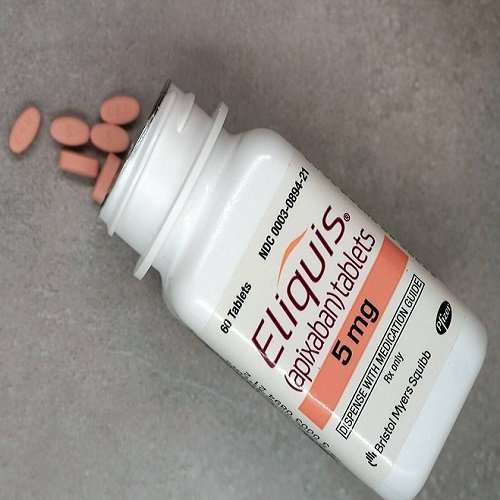
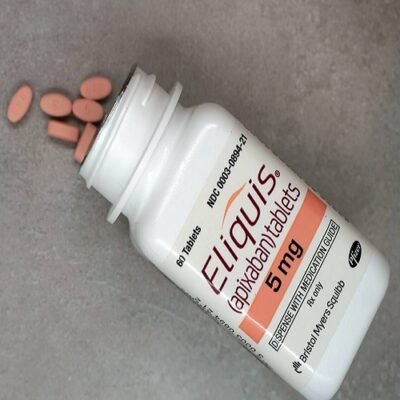
Eliquis 5mg
Price range: €120.00 through €820.00
Eliquis 5 mg (apixaban) is an anticoagulant medicine used to prevent and treat dangerous blood clots, including strokes associated with atrial fibrillation and conditions such as DVT and pulmonary embolism. It is effective when taken correctly but requires careful use because it increases bleeding risk. Always follow medical advice and inform healthcare professionals that you are taking Eliquis before procedures or starting new medicines.
Eliquis 5 mg: Uses, Dosage, Side Effects, Safety, and Frequently Asked Questions
What Is Eliquis 5 mg?
Eliquis 5 mg is a prescription medicine containing apixaban, which belongs to a group of medicines called direct oral anticoagulants (DOACs) or factor Xa inhibitors.
It is commonly known as a blood thinner because it reduces the ability of blood to form harmful clots. Eliquis works by blocking factor Xa, an important protein involved in the clotting process.
Eliquis is used to help prevent and treat serious blood clot-related conditions, including certain strokes, deep vein thrombosis (DVT), and pulmonary embolism (PE).
How Eliquis Works
Blood clotting involves a series of steps that help stop bleeding when the body is injured. Factor Xa plays an important role in producing thrombin, a substance needed for clot formation.
Eliquis works by:
- Blocking factor Xa activity.
- Reducing thrombin production.
- Lowering the chance of dangerous blood clots forming.
Eliquis does not break down existing clots but helps prevent new clots from forming and reduces the risk of clot-related complications.
Eliquis 5 mg Uses
Prevention of Stroke in Atrial Fibrillation
Eliquis is commonly prescribed for people with non-valvular atrial fibrillation (AF) to reduce the risk of stroke.
Atrial fibrillation can cause irregular heartbeats that may allow blood to pool and form clots. These clots can travel to the brain and cause a stroke.
Eliquis helps reduce this risk by preventing clot formation.
Treatment of Deep Vein Thrombosis (DVT)
Eliquis may be used to treat deep vein thrombosis, a blood clot that forms in a deep vein, often in the leg.
Treatment helps:
- Prevent the clot from becoming larger.
- Reduce the risk of complications.
- Prevent future clot formation.
Treatment of Pulmonary Embolism (PE)
Eliquis may be prescribed for pulmonary embolism, where a blood clot blocks blood flow in the lungs.
It helps prevent further clot development during treatment.
Prevention of Blood Clots After Surgery
Eliquis may be used after certain types of surgery, such as hip or knee replacement procedures, to reduce the risk of blood clots forming.
Benefits of Eliquis 5 mg
When taken correctly, Eliquis may help:
- Reduce the risk of stroke in eligible patients.
- Prevent and treat dangerous blood clots.
- Lower the chance of recurrent DVT or PE.
- Provide effective anticoagulation without routine INR blood testing in most patients.
Eliquis 5 mg Dosage
The correct dose depends on:
- The condition being treated.
- Age.
- Body weight.
- Kidney function.
- Bleeding risk.
- Other medicines being taken.
For many adults with atrial fibrillation or treatment of blood clots, 5 mg twice daily may be prescribed, but some patients require a different dose based on individual factors.
General guidance:
- Take exactly as prescribed.
- Take doses at the same times each day.
- Do not change the dose without medical advice.
- Do not stop suddenly without speaking with your healthcare provider.
How to Take Eliquis 5 mg
For safe use:
- Swallow tablets with water.
- Take with or without food.
- Take doses regularly.
- Try not to miss doses because missed doses may reduce protection against clots.
Always follow your prescription instructions.
Missed Dose
If you miss an Eliquis dose:
- Take it as soon as you remember.
- Continue your normal schedule.
- Do not take two doses at the same time to replace a missed dose.
Common Side Effects
The most common side effect of Eliquis is bleeding.
Possible side effects include:
- Easy bruising
- Nosebleeds
- Bleeding gums
- Heavy menstrual bleeding
- Minor cuts taking longer to stop bleeding
- Anaemia-related tiredness
Serious Side Effects
Seek urgent medical help if you experience:
- Severe or uncontrolled bleeding
- Blood in urine
- Black or bloody stools
- Vomiting blood
- Coughing up blood
- Sudden severe headache
- Weakness, numbness, or speech difficulties
These may be signs of serious bleeding or other medical emergencies.
Safety Information
Before taking Eliquis, tell your healthcare provider if you have:
- Active bleeding.
- Liver disease.
- Kidney problems.
- A history of bleeding disorders.
- Stomach ulcers.
- Recent surgery or planned surgery.
- Previous allergic reactions to anticoagulants.
Your doctor may monitor kidney and liver function depending on your situation.
Drug Interactions
Eliquis may interact with:
- Other blood thinners.
- Aspirin and antiplatelet medicines.
- Non-steroidal anti-inflammatory drugs (NSAIDs).
- Certain antibiotics.
- Antifungal medicines.
- Some seizure medicines.
- HIV medicines.
- Herbal supplements such as St John’s wort.
Always tell your healthcare provider about all prescription medicines, supplements, and herbal products you take.
Alcohol and Eliquis
Alcohol may increase the risk of:
- Bleeding.
- Falls and injuries.
- Dizziness.
Discuss alcohol use with your healthcare provider while taking Eliquis.
Surgery and Dental Procedures
Always tell healthcare professionals that you take Eliquis before:
- Surgery.
- Dental treatment.
- Medical procedures.
Your healthcare provider will advise if and when treatment should be adjusted.
Pregnancy and Breastfeeding
If you are pregnant, planning pregnancy, or breastfeeding, speak with your healthcare provider before taking Eliquis.
Your doctor will assess whether another anticoagulant may be more suitable.
Storage
Store Eliquis:
- At room temperature.
- Away from moisture and heat.
- In the original packaging.
- Out of reach of children.
Do not use after the expiry date.
Frequently Asked Questions (FAQs)
What is Eliquis 5 mg used for?
Eliquis 5 mg is used to prevent strokes in certain people with atrial fibrillation and to treat or prevent blood clots such as DVT and pulmonary embolism.
Is Eliquis a blood thinner?
Yes. Eliquis is an anticoagulant that reduces the blood’s ability to form clots.
Does Eliquis dissolve blood clots?
No. Eliquis does not dissolve existing clots but helps prevent new clots from forming and existing clots from growing.
Do I need blood tests while taking Eliquis?
Routine INR monitoring is generally not required, but your healthcare provider may check kidney function and overall health.
Can I stop Eliquis suddenly?
Do not stop Eliquis without medical advice because stopping suddenly can increase the risk of blood clots and stroke.
Does Eliquis cause bruising?
Yes. Easy bruising can occur because Eliquis reduces blood clotting.
Can I take ibuprofen with Eliquis?
Ibuprofen and other NSAIDs may increase bleeding risk. Ask your healthcare provider before using them.
Can Eliquis be taken with aspirin?
Only take aspirin with Eliquis if specifically recommended by your healthcare provider.
How long do people take Eliquis?
The length of treatment depends on the reason it was prescribed. Some people take it for months, while others may need longer-term treatment.
What happens if too much Eliquis is taken?
Taking too much may increase the risk of serious bleeding. Seek urgent medical advice if an overdose is suspected.
Final Thoughts
Eliquis 5 mg (apixaban) is an anticoagulant medicine used to prevent and treat dangerous blood clots, including strokes associated with atrial fibrillation and conditions such as DVT and pulmonary embolism. It is effective when taken correctly but requires careful use because it increases bleeding risk. Always follow medical advice and inform healthcare professionals that you are taking Eliquis before procedures or starting new medicines.
Medical Disclaimer: This article is for educational and informational purposes only and should not replace professional medical advice, diagnosis, or treatment. Always consult a qualified healthcare professional before starting, stopping, or changing any medication.
| Quantity | 30 Pills, 60 Pills, 120 Pills, 180 Pills, 200 Pills, 250 Pills, 300 Pills, 400 Pills, 500 Pills |
|---|
Be the first to review “Eliquis 5mg”
Related products
Drugs
Drugs
Drugs
Drugs
Drugs
Drugs
Drugs
Reviews
There are no reviews yet.