
Apixaban: Uses, Dosage, Side Effects, Safety, and Frequently Asked Questions
Apixaban: Uses, Dosage, Side Effects & Safety Guide
Learn about Apixaban, including its uses for blood clot prevention and stroke risk reduction, dosage guidance, side effects, safety precautions, drug interactions, and frequently asked questions.
Apixaban: Everything You Need to Know
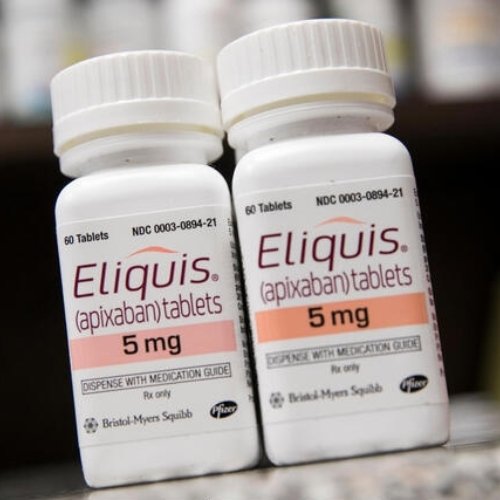
Apixaban is a prescription anticoagulant (blood thinner) used to prevent and treat blood clots. It belongs to a class of medicines called direct oral anticoagulants (DOACs) and works by blocking Factor Xa, an important protein involved in blood clot formation.
Apixaban is commonly prescribed to reduce the risk of stroke in atrial fibrillation, treat and prevent deep vein thrombosis (DVT) and pulmonary embolism (PE), and prevent clots after certain surgeries.
Because it affects blood clotting, Apixaban must be taken carefully under medical supervision to reduce the risk of bleeding complications.
What Is Apixaban?
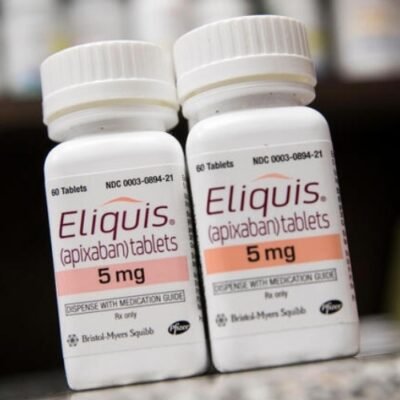
Apixaban is an oral anticoagulant that helps prevent harmful blood clots from forming in the body.
It is available as:
- Oral tablets
It does not require routine blood monitoring like older anticoagulants (such as warfarin), but medical follow-up is still essential.
Approved Medical Uses
Healthcare providers prescribe Apixaban for:
- Prevention of stroke and systemic embolism in non-valvular atrial fibrillation
- Treatment of deep vein thrombosis (DVT)
- Treatment of pulmonary embolism (PE)
- Prevention of recurrent DVT and PE
- Prevention of blood clots after hip or knee replacement surgery
How Does Apixaban Work?
Apixaban works by inhibiting Factor Xa, a key enzyme in the blood clotting process.
This helps:
- Reduce formation of blood clots
- Prevent clots from growing larger
- Lower risk of stroke in atrial fibrillation
- Prevent dangerous clots in the lungs and legs
Unlike some older anticoagulants, it works in a more targeted way in the clotting cascade.
How Should Apixaban Be Taken?
Always take Apixaban exactly as prescribed by your healthcare provider.
General recommendations include:
- Take tablets twice daily (most common dosing schedule).
- Take with or without food.
- Take at the same time each day.
- Do not stop taking suddenly without medical advice.
- If a dose is missed, follow your provider’s instructions carefully.
- Avoid activities with a high risk of injury or bleeding.
Dosage Information
Dosage depends on:
- Condition being treated
- Age
- Kidney function
- Risk of bleeding
- Other medical conditions
Typical adult dosing (general guidance)
Atrial fibrillation (stroke prevention)
- Commonly 5 mg twice daily
- Reduced to 2.5 mg twice daily in selected patients (e.g., older age, low body weight, kidney issues)
DVT/PE treatment
- Often 10 mg twice daily for 7 days, then 5 mg twice daily
Prevention of recurrent DVT/PE
- Typically 2.5 mg twice daily
Important note
Your healthcare provider will determine the safest and most effective dose for your condition.
Common Side Effects
Apixaban is generally well tolerated.
Common side effects include:
- Bruising more easily
- Nosebleeds
- Bleeding gums
- Mild anemia
- Nausea
- Minor bleeding from cuts that takes longer to stop
Serious Safety Warnings
Because Apixaban affects blood clotting, bleeding is the most important risk.
Potential serious side effects include:
- Severe or uncontrolled bleeding
- Gastrointestinal bleeding (blood in stool or vomit)
- Brain bleeding (rare but serious)
- Severe anemia
- Allergic reactions
Seek immediate medical attention if you experience:
- Heavy or persistent bleeding
- Black or bloody stools
- Coughing up blood
- Severe headache or confusion
- Unusual weakness or dizziness
Important Precautions
Before taking Apixaban, tell your healthcare provider if you have:
- Kidney disease
- Liver disease
- Bleeding disorders
- History of stroke
- Recent surgery or injury
- Pregnancy or breastfeeding considerations
Apixaban may not be suitable for people with active bleeding or very high bleeding risk.
Drug Interactions
Apixaban may interact with several medications.
Inform your healthcare provider about all:
- Prescription medicines
- Over-the-counter drugs
- Herbal supplements
Particular caution is required with:
- Other blood thinners (warfarin, heparin)
- Aspirin or NSAIDs (e.g., ibuprofen, naproxen)
- Certain antifungal medications (e.g., ketoconazole)
- Certain HIV medications (e.g., ritonavir)
- Anticonvulsants (e.g., carbamazepine, phenytoin)
These can increase bleeding risk or reduce effectiveness.
Monitoring During Treatment
Although routine blood clotting tests are not usually required, healthcare providers may monitor:
- Signs of bleeding
- Kidney and liver function
- Hemoglobin levels
- Overall clotting risk
- Medication adherence
Regular follow-up is important for safety.
Safe Storage
Store Apixaban properly:
- Keep at room temperature.
- Store in original packaging.
- Protect from moisture and heat.
- Keep out of reach of children.
- Do not use expired medication.
- Dispose of unused tablets safely.
Frequently Asked Questions
What is Apixaban used for?
Apixaban is used to prevent and treat blood clots, including stroke prevention in atrial fibrillation and treatment of DVT and pulmonary embolism.
Is Apixaban a blood thinner?
Yes. Apixaban is an anticoagulant (blood thinner) that reduces the risk of harmful clot formation.
Does Apixaban require blood tests?
Routine clotting tests are not usually needed, but periodic monitoring of kidney function and bleeding risk may be required.
What are the most common side effects?
Common side effects include bruising, nosebleeds, bleeding gums, and mild anemia.
Can I stop taking Apixaban suddenly?
No. Stopping suddenly may increase the risk of stroke or blood clots. Always consult your healthcare provider.
Can I take painkillers with Apixaban?
Some painkillers like ibuprofen or aspirin may increase bleeding risk. Always consult a healthcare provider before combining medications.
Is Apixaban safe long-term?
Yes, when used under medical supervision with regular monitoring for bleeding risk.
Conclusion
Apixaban is an effective oral anticoagulant used to prevent and treat serious blood clot conditions such as stroke in atrial fibrillation, deep vein thrombosis, and pulmonary embolism. It works by blocking Factor Xa, helping to reduce clot formation in the body.
Although it does not require routine blood monitoring, Apixaban must be taken carefully due to its increased risk of bleeding. Following your prescribed dose, avoiding risky drug interactions, and attending regular medical checkups are essential for safe long-term use.
Apixaban, Apixaban uses, Apixaban dosage, Apixaban side effects, blood thinner medication, anticoagulant tablets, Factor Xa inhibitor, stroke prevention medication, DVT treatment, pulmonary embolism treatment, atrial fibrillation medication, oral anticoagulant, Eliquis alternative, clot prevention medication, Apixaban safety, bleeding risk anticoagulant, prescription blood thinner, cardiovascular medication, anticoagulant guide, Apixaban FAQs, thrombosis treatment, deep vein thrombosis medication.
| Quantity | 30 Pills, 60 Pills, 120 Pills, 180 Pills, 200 Pills, 250 Pills, 300 Pills, 400 Pills, 500 Pills |
|---|
Be the first to review “Apixaban”
Related products
Drugs
Drugs
Drugs
Drugs
Drugs
Drugs
Reviews
There are no reviews yet.