

Antivert 25 mg: Uses, Dosage, Side Effects, Safety, and Frequently Asked Questions
Learn about Antivert (meclizine) 25 mg, including its uses for vertigo and motion sickness, dosage, side effects, safety precautions, and frequently asked questions.
Antivert 25 mg: Everything You Need to Know
Antivert contains Meclizine, a medication commonly used to prevent and treat nausea, vomiting, dizziness, and vertigo caused by motion sickness or inner ear disorders.
It works by reducing activity in the brain’s balance and vomiting centers, helping to relieve symptoms related to motion and vestibular (inner ear) disturbances.
This guide explains how Antivert works, its approved uses, dosage information, side effects, safety precautions, and frequently asked questions.
What Is Antivert 25 mg?
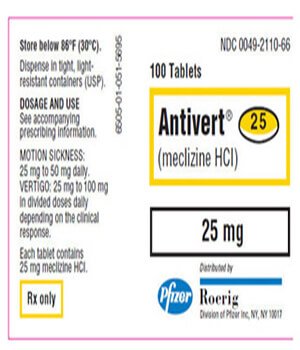
Antivert is an antihistamine that affects the central nervous system to reduce signals that cause dizziness and nausea.
It is most commonly prescribed for:
- Motion sickness
- Vertigo (spinning sensation)
- Balance disorders related to the inner ear
Because it causes drowsiness in many people, it is often taken when symptoms are expected or already present.
Approved Medical Uses
Healthcare providers may prescribe Antivert for:
- Motion sickness
- Vertigo
- Meniere disease
- Nausea and vomiting associated with vestibular disorders
It is not typically used for nausea caused by chemotherapy or severe gastrointestinal illness unless specifically directed.
How Does Antivert Work?
Meclizine works by blocking histamine (H1) receptors in the brain and inner ear.
This helps:
- Reduce dizziness and spinning sensations
- Decrease nausea and vomiting
- Stabilize balance signals from the inner ear
- Prevent motion-induced discomfort during travel
Its effects can last for several hours, making it useful for both prevention and symptom relief.
How Should Antivert 25 mg Be Taken?
Antivert should always be taken exactly as prescribed.
General recommendations include:
- Take with or without food.
- Take 1 hour before travel if used for motion sickness.
- Avoid alcohol while taking this medication.
- Do not exceed the prescribed dose.
- Use caution when driving or operating machinery due to drowsiness.
Your healthcare provider may adjust the dose depending on symptom severity.
Common Side Effects
Many people tolerate Antivert well, but drowsiness is common.
Common side effects include:
- Drowsiness
- Dry mouth
- Fatigue
- Blurred vision
- Headache
- Mild dizziness
These effects are usually temporary and may decrease with continued use.
Serious Safety Warnings
Although rare, serious side effects can occur.
Potential risks include:
- Severe allergic reactions
- Confusion (especially in older adults)
- Difficulty urinating
- Rapid or irregular heartbeat
- Severe sedation
Seek medical attention if you experience severe drowsiness, confusion, or signs of an allergic reaction.
Important Precautions
Before taking Antivert, inform your healthcare provider if you have:
- Glaucoma
- Asthma or chronic lung disease
- Urinary retention or prostate enlargement
- Liver disease
- Seizure disorders
- Pregnancy or breastfeeding considerations
Older adults may be more sensitive to sedative and anticholinergic effects.
Drug Interactions
Antivert may interact with other medications that cause drowsiness.
Tell your healthcare provider about all:
- Prescription medicines
- Over-the-counter drugs
- Sleep aids
- Anxiety medications
- Alcohol
- Opioid pain medications
Combining these substances may increase sedation and impairment.
Monitoring During Treatment
Healthcare providers may monitor:
- Symptom improvement (dizziness, nausea)
- Side effects such as drowsiness or confusion
- Overall tolerance to medication
- Effectiveness in preventing motion sickness
Lifestyle Tips for Managing Vertigo and Motion Sickness
Medication works best when combined with practical strategies, such as:
- Sitting in stable positions during travel
- Focusing on the horizon
- Avoiding heavy meals before travel
- Staying hydrated
- Using slow head movements during vertigo episodes
- Resting during symptom flare-ups
These strategies can help reduce symptom severity and improve comfort.
Safe Storage
Store Antivert according to prescription instructions:
- Keep at room temperature
- Protect from moisture and heat
- Keep in original packaging
- Store out of reach of children and pets
Dispose of expired medication safely through pharmacy programs.
Frequently Asked Questions
What is Antivert used for?
Antivert is used to treat and prevent dizziness, vertigo, and motion sickness.
Does Antivert make you sleepy?
Yes. Drowsiness is one of the most common side effects.
How fast does Antivert work?
It typically begins working within about 1 hour.
Can I take Antivert daily?
Yes, if prescribed by your healthcare provider for ongoing vertigo or inner ear disorders.
Can I drink alcohol with Antivert?
No. Alcohol increases drowsiness and may worsen side effects.
Conclusion
Antivert (meclizine) is an antihistamine medication commonly used to manage vertigo, motion sickness, and balance-related nausea. It works by calming signals in the brain and inner ear that cause dizziness and discomfort.
When used as directed, it can be an effective and well-tolerated option for short-term or ongoing symptom relief. Following your healthcare provider’s instructions and avoiding alcohol or sedatives can help ensure safe use.
Antivert 25 mg, meclizine, vertigo treatment, motion sickness medication, dizziness treatment, inner ear disorder medication, Meniere disease treatment, antihistamine antiemetic, nausea and dizziness relief, balance disorder medication, prescription vertigo medicine, travel sickness pills, medication safety, patient education, healthcare information, Antivert side effects, meclizine uses, vertigo medication guide, motion sickness prevention.
| Quantity | 30 Pills, 60 Pills, 120 Pills, 180 Pills, 200 Pills, 250 Pills, 300 Pills, 400 Pills, 500 Pills |
|---|
Be the first to review “Antivert 25mg”
Related products

Drugs

Drugs
Drugs

Drugs

Drugs
Drugs
Drugs

Drugs
Reviews
There are no reviews yet.