Pre-Exposure Prophylaxis (PrEP): Uses, Benefits, Side Effects, Safety, and Frequently Asked Questions
What Is Pre-Exposure Prophylaxis (PrEP)?
Pre-Exposure Prophylaxis (PrEP) is a preventive treatment that helps reduce the risk of acquiring HIV (Human Immunodeficiency Virus) in people who are HIV-negative but may be at increased risk of exposure.
When taken as prescribed, PrEP is highly effective at preventing HIV infection through sex and substantially reduces the risk of HIV transmission through injection drug use.
PrEP is part of a comprehensive HIV prevention strategy that may also include:
- Condom use
- Regular HIV testing
- Screening for sexually transmitted infections (STIs)
- Harm reduction strategies for people who inject drugs
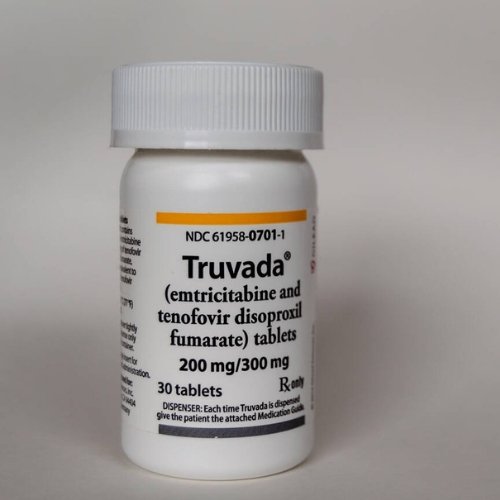
Several medications are approved for PrEP in different countries, including combinations containing tenofovir and emtricitabine, as well as long-acting injectable options in some regions.
How PrEP Works
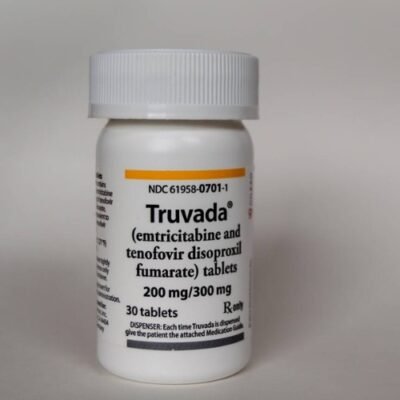
PrEP works by maintaining protective levels of antiviral medication in the body.
If HIV enters the body during exposure, these medicines help prevent the virus from establishing a permanent infection by stopping it from replicating in the early stages.
PrEP only protects against HIV. It does not prevent other sexually transmitted infections (STIs) such as chlamydia, gonorrhea, or syphilis.
Who May Benefit from PrEP?
A healthcare provider may recommend PrEP for people who are HIV-negative and have an increased risk of HIV exposure, including those who:
- Have a sexual partner living with HIV whose viral status is not consistently suppressed.
- Have multiple sexual partners and inconsistent condom use.
- Have recently been diagnosed with certain sexually transmitted infections.
- Inject drugs and share needles or other injection equipment.
- Have other risk factors identified during a medical assessment.
PrEP is only started after confirming that the person does not have HIV.
Benefits of PrEP
When taken consistently as prescribed, PrEP may:
- Greatly reduce the risk of acquiring HIV through sexual contact.
- Significantly reduce the risk of HIV from injection drug use.
- Provide long-term HIV prevention for people at ongoing risk.
- Offer reassurance when combined with other preventive measures.
Before Starting PrEP
Before prescribing PrEP, a healthcare provider will usually:
- Confirm a negative HIV test.
- Assess kidney function (for certain oral PrEP medications).
- Screen for hepatitis B infection when appropriate.
- Review current medications for possible interactions.
- Discuss individual HIV risk and prevention strategies.
Taking PrEP
General guidance includes:
- Take the medication exactly as prescribed.
- Attend regular follow-up appointments.
- Continue routine HIV testing while using PrEP.
- Follow your healthcare provider’s instructions regarding monitoring.
Some PrEP regimens are taken daily, while certain injectable formulations are administered by a healthcare professional on a scheduled basis.
Common Side Effects
Some people experience mild side effects when starting PrEP, including:
- Nausea.
- Headache.
- Mild stomach upset.
- Diarrhea.
- Fatigue.
These side effects often improve within the first few weeks.
Serious Side Effects
Although uncommon, seek medical attention if you develop:
- Signs of an allergic reaction.
- Significant kidney problems (with some oral PrEP medicines).
- Severe abdominal pain.
- Persistent vomiting.
- Yellowing of the skin or eyes (possible liver problems).
Your healthcare provider may perform routine blood tests to monitor kidney function and overall health during treatment.
Safety Information
Before starting PrEP, tell your healthcare provider if you have:
- Kidney disease.
- Liver disease.
- Hepatitis B infection.
- Pregnancy or plans to become pregnant.
- Breastfeeding.
- Any allergies to medications.
PrEP should only be used under the supervision of a qualified healthcare professional.
Drug Interactions
Some PrEP medications may interact with:
- Certain antiviral medicines.
- Medicines that affect kidney function.
- Some nonsteroidal anti-inflammatory drugs (NSAIDs), particularly when used frequently or at high doses.
- Other prescription or over-the-counter medications.
Always provide your healthcare provider with a complete list of the medicines and supplements you take.
Pregnancy and Breastfeeding
If you are pregnant, planning to become pregnant, or breastfeeding:
- Discuss the benefits and potential risks of PrEP with your healthcare provider.
- In some situations, PrEP may still be recommended if the risk of HIV exposure is significant.
Storage
Store oral PrEP medication:
- At room temperature.
- Away from heat and moisture.
- In the original container.
- Out of the reach of children.
Injectable PrEP is stored and administered by healthcare professionals.
Frequently Asked Questions (FAQs)
What is PrEP?
PrEP (Pre-Exposure Prophylaxis) is a preventive medication used by HIV-negative people to reduce the risk of acquiring HIV.
How effective is PrEP?
When taken consistently as prescribed, PrEP is highly effective at preventing HIV infection. Its effectiveness depends on taking it correctly and attending regular follow-up care.
Does PrEP protect against all sexually transmitted infections?
No. PrEP protects against HIV but does not prevent other STIs such as chlamydia, gonorrhea, or syphilis.
Do I need an HIV test before starting PrEP?
Yes. A negative HIV test is required before starting PrEP, and regular HIV testing is recommended while taking it.
Can I stop taking PrEP whenever I want?
If your risk of HIV exposure changes, discuss stopping PrEP with your healthcare provider. They will advise you on when it is safe to discontinue treatment.
Can PrEP be taken during pregnancy?
In some cases, yes. Your healthcare provider will assess the benefits and potential risks based on your individual circumstances.
Does PrEP cure HIV?
No. PrEP prevents HIV infection in people who are HIV-negative. It is not a treatment or cure for people who already have HIV.
Is PrEP the same as PEP?
No. PrEP is taken before potential HIV exposure to prevent infection. PEP (Post-Exposure Prophylaxis) is emergency treatment that must be started as soon as possible, ideally within 72 hours after a possible HIV exposure.
Will I need regular medical checkups while taking PrEP?
Yes. Regular follow-up visits typically include HIV testing, assessment of side effects, and monitoring of kidney function for certain oral PrEP medications.
Can I take PrEP with other medicines?
Many people can, but some medications may interact with PrEP. Always inform your healthcare provider about all prescription medicines, over-the-counter products, vitamins, and supplements you take.
Final Thoughts
Pre-Exposure Prophylaxis (PrEP) is one of the most effective strategies available for preventing HIV infection in people at increased risk. When taken as prescribed and combined with regular medical follow-up, HIV testing, and other preventive measures, PrEP can significantly reduce the risk of acquiring HIV.
Speak with a qualified healthcare professional to determine whether PrEP is appropriate for your individual circumstances and to choose the most suitable prevention option.
Medical Disclaimer: This article is for educational and informational purposes only and should not replace professional medical advice, diagnosis, or treatment. Always consult a qualified healthcare professional before starting, stopping, or changing any medication.
| Quantity | 30 Pills, 60 Pills, 120 Pills, 180 Pills, 200 Pills, 250 Pills, 300 Pills, 400 Pills, 500 Pills |
|---|
Be the first to review “Pre-Exposure Prophylaxis (PrEP)”
Related products
Drugs
Drugs
Drugs
Drugs
Drugs
Drugs
Drugs
Reviews
There are no reviews yet.