

Paxlovid 150 mg/100 mg: Uses, Dosage, Side Effects, Safety, and Frequently Asked Questions
What Is Paxlovid 150 mg/100 mg?
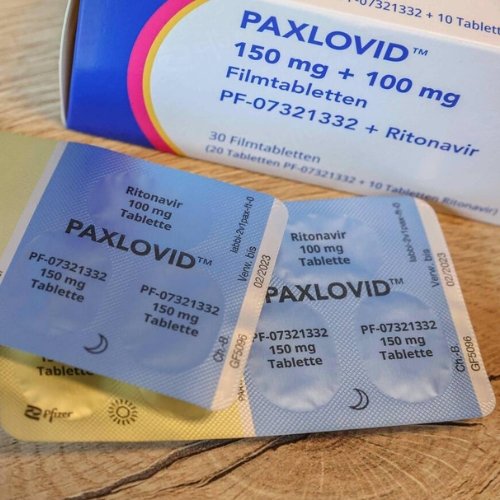
Paxlovid is a prescription antiviral medication used to treat mild to moderate COVID-19 in people who are at high risk of developing severe illness, including hospitalization or death.
Paxlovid contains two active ingredients:
- Nirmatrelvir 150 mg – an antiviral medicine that blocks a SARS-CoV-2 enzyme (the main protease) needed for the virus to replicate.
- Ritonavir 100 mg – a medication that slows the breakdown of nirmatrelvir, helping it remain effective in the body for longer.
The 150 mg/100 mg strength is commonly used in patients with moderate kidney impairment, while the standard adult dose uses two 150 mg nirmatrelvir tablets plus one 100 mg ritonavir tablet per dose. The correct strength and dosing schedule should always be determined by a healthcare professional.
How Paxlovid Works
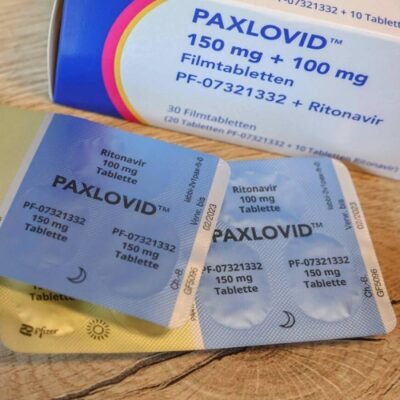
Paxlovid works by combining two medicines:
Nirmatrelvir
Nirmatrelvir inhibits the SARS-CoV-2 main protease (Mpro), preventing the virus from processing proteins it needs to reproduce.
Ritonavir
Ritonavir slows the metabolism of nirmatrelvir, allowing it to stay at effective levels in the bloodstream for longer.
Together, these medicines help reduce viral replication and lower the risk of severe COVID-19.
Paxlovid Uses
Treatment of Mild to Moderate COVID-19
Paxlovid is used to treat people with confirmed COVID-19 who:
- Have mild to moderate symptoms.
- Are at increased risk of progressing to severe disease.
- Can begin treatment within the recommended time after symptom onset.
Paxlovid is not intended for preventing COVID-19 or replacing vaccination.
Benefits of Paxlovid
When started promptly in eligible patients, Paxlovid may help:
- Reduce the risk of hospitalization.
- Lower the risk of severe COVID-19 complications.
- Reduce the likelihood of death from COVID-19 in high-risk individuals.
- Shorten the course of illness in some patients.
Paxlovid Dosage
The correct dose depends on:
- Kidney function.
- Liver function.
- Age.
- Other medications.
- Individual medical history.
General guidance:
- Start treatment as soon as possible after a positive COVID-19 test and symptom onset, within the time frame recommended by your healthcare provider.
- Complete the full prescribed course, even if symptoms improve.
- Do not change or stop treatment without medical advice.
How to Take Paxlovid
For best results:
- Take the tablets exactly as prescribed.
- Swallow tablets whole with water.
- They may be taken with or without food.
- Take doses approximately 12 hours apart.
- Complete the entire treatment course.
Missed Dose
If you miss a dose:
- Take it as soon as you remember if it is within the time period described in the prescribing information.
- If it is close to the next scheduled dose, skip the missed dose.
- Do not take two doses at the same time.
If you are unsure, contact your healthcare provider or pharmacist.
Common Side Effects
Common side effects may include:
- Altered or metallic taste.
- Diarrhea.
- Headache.
- Muscle aches.
- Increased blood pressure.
- Nausea.
Most side effects are mild and temporary.
Serious Side Effects
Seek immediate medical attention if you experience:
- Signs of an allergic reaction.
- Severe liver problems, such as yellowing of the skin or eyes.
- Difficulty breathing.
- Severe skin reactions.
- Symptoms related to significant drug interactions.
Safety Information
Before taking Paxlovid, tell your healthcare provider if you have:
- Kidney disease.
- Liver disease.
- HIV infection.
- Pregnancy or plans to become pregnant.
- Breastfeeding.
Provide a complete list of all medicines you take before starting Paxlovid.
Drug Interactions
Because ritonavir strongly affects liver enzymes, Paxlovid has many important drug interactions.
Medicines that may interact include:
- Certain cholesterol-lowering medicines (statins).
- Some heart rhythm medications.
- Blood thinners.
- Certain anti-seizure medicines.
- Immunosuppressants.
- Some sedatives.
- Certain migraine medications.
Your healthcare provider may temporarily stop, adjust, or substitute certain medicines while you are taking Paxlovid.
Alcohol and Paxlovid
There is no specific prohibition against alcohol in the prescribing information, but alcohol may worsen dehydration or other symptoms during illness. Discuss alcohol use with your healthcare provider, especially if you have liver disease or take other medications.
Pregnancy and Breastfeeding
If you are pregnant, planning pregnancy, or breastfeeding:
- Discuss the risks and benefits of Paxlovid with your healthcare provider.
- Treatment decisions should be based on your individual medical condition and current clinical recommendations.
Storage
Store Paxlovid:
- At room temperature.
- In the original packaging.
- Away from moisture and excessive heat.
- Out of reach of children.
Frequently Asked Questions (FAQs)
What is Paxlovid 150 mg/100 mg used for?
Paxlovid 150 mg/100 mg is used to treat mild to moderate COVID-19 in eligible patients who are at increased risk of developing severe illness.
Is Paxlovid an antibiotic?
No. Paxlovid is an antiviral medication and does not treat bacterial infections.
When should Paxlovid be started?
Treatment should begin as soon as possible after COVID-19 symptoms start and within the recommended treatment window determined by your healthcare provider.
Can Paxlovid cure COVID-19?
Paxlovid does not cure COVID-19, but it can reduce the risk of severe disease, hospitalization, and death in eligible patients.
Can Paxlovid cause a bad taste in the mouth?
Yes. A metallic or bitter taste is one of the most commonly reported side effects.
Can I stop Paxlovid early if I feel better?
No. Complete the full prescribed course unless your healthcare provider instructs otherwise.
Does Paxlovid interact with other medicines?
Yes. Paxlovid has many significant drug interactions, so your healthcare provider or pharmacist should review all of your medications before treatment begins.
Can older adults take Paxlovid?
Yes. Many older adults are eligible for Paxlovid if they meet treatment criteria, although kidney function and potential drug interactions should be assessed.
Can Paxlovid be taken with food?
Yes. Paxlovid may be taken with or without food.
What happens if I take too much Paxlovid?
If an overdose is suspected, seek medical advice or emergency care immediately.
Final Thoughts
Paxlovid 150 mg/100 mg is an antiviral treatment used for eligible patients with mild to moderate COVID-19 who are at increased risk of severe illness. It works by reducing viral replication and is most effective when started early in the course of infection.
Because Paxlovid has many potential drug interactions, always inform your healthcare provider about all medicines and supplements you take, and complete the full treatment course as prescribed.
Medical Disclaimer: This article is for educational and informational purposes only and should not replace professional medical advice, diagnosis, or treatment. Always consult a qualified healthcare professional before starting, stopping, or changing any medication.
| Quantity | 30 Pills, 60 Pills, 120 Pills, 180 Pills, 200 Pills, 250 Pills, 300 Pills, 400 Pills, 500 Pills |
|---|
Be the first to review “Paxlovid 150/100mg”
Related products
Drugs
Drugs
Drugs

Drugs
Drugs
Drugs

Drugs
Reviews
There are no reviews yet.