
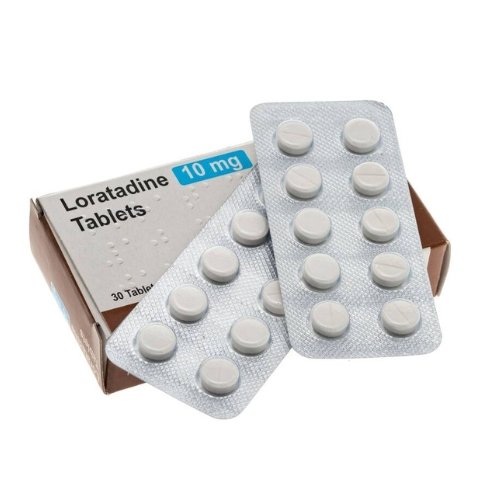
Loratadine (Clarityn) 10mg
Price range: €120.00 through €820.00
Loratadine (Clarityn) 10 mg is a widely used second-generation antihistamine that provides effective, long-lasting relief from hay fever, allergic rhinitis, hives, and other allergy-related symptoms. Its once-daily dosing and low risk of drowsiness make it a popular choice for many adults and children.
Loratadine (Clarityn) 10 mg: Uses, Dosage, Side Effects, Safety, and Frequently Asked Questions
What Is Loratadine (Clarityn) 10 mg?
Loratadine 10 mg, sold under the brand name Clarityn in many countries, is a second-generation antihistamine used to relieve symptoms caused by allergies. It helps reduce the effects of histamine, a natural substance released by the body during an allergic reaction.
Loratadine is commonly used to treat:
- Hay fever (seasonal allergic rhinitis).
- Year-round allergies (perennial allergic rhinitis).
- Hives (urticaria).
- Itchy skin caused by allergic reactions.
Compared with older antihistamines, loratadine is considered less likely to cause drowsiness, although some people may still experience sleepiness.
Loratadine is available in several forms, including:
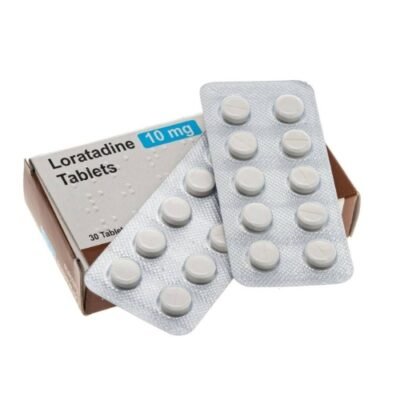
- 10 mg tablets.
- Oral syrup.
- Dissolvable tablets (in some countries).
Many loratadine products are available over the counter, while others may be supplied on prescription depending on local regulations.
How Loratadine Works
Loratadine works by blocking histamine H1 receptors.
This action helps to:
- Reduce sneezing.
- Relieve a runny nose.
- Ease itchy or watery eyes.
- Reduce itching of the skin.
- Help control allergic hives.
Unlike many older antihistamines, loratadine has minimal effects on the brain, making it less likely to cause sedation.
Loratadine (Clarityn) 10 mg Uses
Hay Fever (Seasonal Allergies)
Loratadine is commonly used to relieve symptoms caused by pollen allergies, including:
- Sneezing.
- Runny nose.
- Itchy nose.
- Itchy throat.
- Watery, itchy eyes.
Perennial Allergic Rhinitis
It may also help control allergy symptoms caused by:
- Dust mites.
- Pet dander.
- Mould.
- Other indoor allergens.
Chronic Hives (Urticaria)
Loratadine may help relieve:
- Raised, itchy skin welts.
- Persistent itching associated with allergic skin conditions.
Mild Allergic Skin Reactions
Healthcare providers may recommend loratadine for itching caused by certain allergic reactions, including insect bites or contact with allergens.
Benefits of Loratadine 10 mg
When taken as directed, loratadine may help:
- Relieve sneezing.
- Reduce a runny nose.
- Ease itchy and watery eyes.
- Reduce skin itching.
- Improve daily comfort during allergy season.
- Provide 24-hour allergy symptom relief in many people.
Loratadine 10 mg Dosage
The appropriate dose depends on:
- Age.
- The condition being treated.
- Kidney or liver function.
- Overall health.
General guidance:
- Take exactly as directed on the product label or by your healthcare provider.
- Do not exceed the recommended daily dose.
- People with severe liver impairment or significant kidney disease may require dose adjustments.
How to Take Loratadine 10 mg
For best results:
- Swallow the tablet with water.
- It may be taken with or without food.
- Take it at approximately the same time each day if used regularly for allergy control.
- Continue to avoid known allergens whenever possible.
Missed Dose
If you use loratadine regularly and miss a dose:
- Take it as soon as you remember.
- Skip the missed dose if your next scheduled dose is almost due.
- Do not take two doses at the same time.
Common Side Effects
Common side effects may include:
- Headache.
- Dry mouth.
- Mild drowsiness.
- Fatigue.
- Nervousness (more common in children).
Most people tolerate loratadine well.
Serious Side Effects
Seek immediate medical attention if you experience:
- Difficulty breathing.
- Swelling of the face, lips, tongue, or throat.
- Severe allergic skin reactions.
- Rapid or irregular heartbeat.
- Fainting.
These reactions are uncommon but require urgent medical attention.
Safety Information
Before taking loratadine, tell your healthcare provider if you have:
- Liver disease.
- Kidney disease.
- A history of allergic reactions to antihistamines.
- Pregnancy or plans to become pregnant.
- Breastfeeding.
If you are scheduled for allergy skin testing, your healthcare provider may advise stopping loratadine several days beforehand because it can affect test results.
Drug Interactions
Loratadine may interact with:
- Ketoconazole.
- Erythromycin.
- Cimetidine.
- Certain medicines that affect liver enzymes.
Although interactions are relatively uncommon, always tell your healthcare provider about all prescription medicines, over-the-counter products, vitamins, and herbal supplements you are taking.
Alcohol and Loratadine
Loratadine is generally less sedating than older antihistamines, but alcohol may increase drowsiness or reduce alertness in some people.
If loratadine makes you feel sleepy, avoid drinking alcohol or operating machinery.
Pregnancy and Breastfeeding
If you are pregnant, planning pregnancy, or breastfeeding:
- Speak with your healthcare provider before taking loratadine.
- Your healthcare provider will assess whether it is appropriate based on your individual situation.
Storage
Store loratadine tablets:
- At room temperature.
- Away from moisture and excessive heat.
- In the original packaging.
- Out of reach of children.
Do not use after the expiry date.
Frequently Asked Questions (FAQs)
What is Loratadine (Clarityn) 10 mg used for?
Loratadine 10 mg is used to relieve allergy symptoms such as sneezing, runny nose, itchy eyes, hay fever, and hives.
Is Clarityn the same as loratadine?
Yes. Clarityn is a brand name for loratadine.
Does loratadine make you sleepy?
Loratadine is considered a non-drowsy antihistamine, but some people may still experience mild sleepiness.
How long does loratadine take to work?
Many people notice symptom relief within 1 to 3 hours, with effects lasting up to 24 hours.
Can I take loratadine every day?
Yes, if recommended by your healthcare provider or according to the product instructions for ongoing allergy symptoms.
Can children take loratadine?
Yes. Loratadine is available in formulations suitable for children, but the dose depends on the child’s age and weight. Always follow the product label or your healthcare provider’s advice.
Can I take loratadine with other allergy medicines?
In some cases, yes. However, avoid taking multiple antihistamines together unless advised by a healthcare professional.
What happens if I take too much loratadine?
An overdose may cause drowsiness, headache, or a rapid heartbeat. Seek medical advice immediately if a significant overdose is suspected.
Can loratadine treat a cold?
No. Loratadine is designed to treat allergy symptoms and is not a treatment for viral infections such as the common cold, although it may relieve allergy-like symptoms if allergies are contributing.
Can I drive after taking loratadine?
Most people can drive safely because loratadine causes little or no drowsiness. However, if you feel sleepy or dizzy, avoid driving or operating machinery.
Final Thoughts
Loratadine (Clarityn) 10 mg is a widely used second-generation antihistamine that provides effective, long-lasting relief from hay fever, allergic rhinitis, hives, and other allergy-related symptoms. Its once-daily dosing and low risk of drowsiness make it a popular choice for many adults and children.
For the best results, take loratadine as directed, avoid known allergy triggers whenever possible, and seek medical advice if symptoms persist, worsen, or are accompanied by breathing difficulties or severe allergic reactions.
Medical Disclaimer: This article is for educational and informational purposes only and should not replace professional medical advice, diagnosis, or treatment. Always consult a qualified healthcare professional before starting, stopping, or changing any medication.
| Quantity | 30 Pills, 60 Pills, 120 Pills, 180 Pills, 200 Pills, 250 Pills, 300 Pills, 400 Pills, 500 Pills |
|---|
Be the first to review “Loratadine (Clarityn) 10mg”
Related products
Drugs
Drugs
Drugs
Drugs
Drugs
Drugs
Drugs
Reviews
There are no reviews yet.