
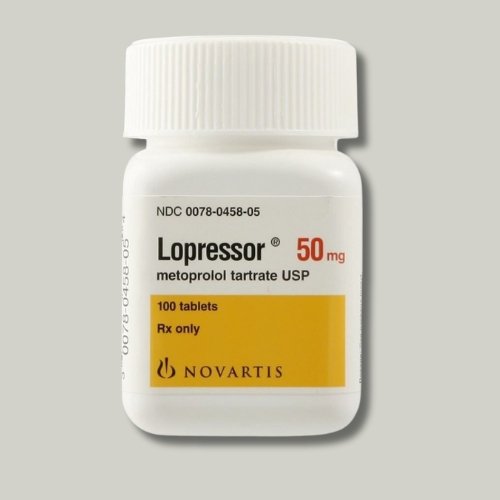
Lopressor 50mg
Price range: €120.00 through €820.00
Lopressor 50 mg (metoprolol tartrate) is an effective beta-blocker used to manage high blood pressure, angina, and certain heart conditions while helping improve survival after a heart attack. When taken consistently and combined with healthy lifestyle habits, it can significantly reduce the risk of cardiovascular complications.
Lopressor 50 mg: Uses, Dosage, Side Effects, Safety, and Frequently Asked Questions
What Is Lopressor 50 mg?
Lopressor 50 mg is a prescription medication containing metoprolol tartrate, a beta-blocker used to treat several cardiovascular conditions, including high blood pressure (hypertension), angina (chest pain), and to improve survival after a heart attack (myocardial infarction).
Lopressor works by slowing the heart rate and reducing the force with which the heart pumps blood. This lowers blood pressure, decreases the heart’s workload, and helps reduce the risk of serious cardiovascular complications.
Lopressor (metoprolol tartrate) is available in several tablet strengths, including:
- 25 mg
- 50 mg
- 100 mg
It is an immediate-release formulation and is different from metoprolol succinate, which is an extended-release form.
How Lopressor Works
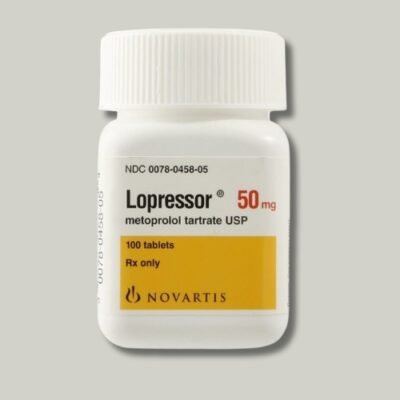
Lopressor blocks beta-1 adrenergic receptors in the heart.
This action helps to:
- Slow the heart rate.
- Lower blood pressure.
- Reduce the heart’s oxygen demand.
- Improve blood flow to the heart muscle.
- Decrease the risk of future cardiovascular events after a heart attack.
Lopressor 50 mg Uses
High Blood Pressure (Hypertension)
Lopressor is commonly prescribed to lower blood pressure, helping reduce the risk of:
- Stroke.
- Heart attack.
- Kidney disease.
- Heart failure.
Angina (Chest Pain)
Lopressor helps reduce the frequency and severity of angina by decreasing the heart’s workload and oxygen requirements.
After a Heart Attack
Following a heart attack, Lopressor may be prescribed to:
- Improve survival.
- Reduce the risk of another heart attack.
- Lower the risk of certain abnormal heart rhythms.
Fast Heart Rate and Certain Arrhythmias
Healthcare providers may prescribe metoprolol for some people with rapid heart rhythms or certain abnormal heart rhythm disorders.
Benefits of Lopressor 50 mg
When taken as prescribed, Lopressor may help:
- Lower blood pressure.
- Slow a fast heart rate.
- Reduce chest pain episodes.
- Improve heart function after a heart attack.
- Reduce the risk of cardiovascular complications.
- Improve long-term heart health.
Lopressor 50 mg Dosage
The appropriate dose depends on:
- The condition being treated.
- Blood pressure and heart rate.
- Age.
- Kidney and liver function.
- Other medical conditions.
- Response to treatment.
General guidance:
- Take exactly as prescribed by your healthcare provider.
- Do not change the dose without medical advice.
- Continue taking Lopressor even if you feel well.
Your healthcare provider may adjust your dose based on your response.
How to Take Lopressor 50 mg
For best results:
- Take the tablet with or immediately after a meal.
- Swallow it with water.
- Take it at the same time each day.
- Follow your healthcare provider’s instructions carefully.
Because Lopressor is an immediate-release medication, it may need to be taken more than once daily depending on your prescribed treatment plan.
Missed Dose
If you miss a dose:
- Take it as soon as you remember.
- Skip the missed dose if it is nearly time for your next scheduled dose.
- Do not take two doses at the same time.
Common Side Effects
Common side effects may include:
- Tiredness.
- Dizziness.
- Slow heart rate.
- Low blood pressure.
- Cold hands or feet.
- Headache.
- Nausea.
- Mild shortness of breath during exercise.
Many side effects improve as your body adjusts to treatment.
Serious Side Effects
Seek immediate medical attention if you experience:
- Difficulty breathing.
- Chest pain that worsens.
- Fainting.
- Very slow heartbeat.
- Swelling of the legs or ankles.
- Severe allergic reactions.
- Confusion or severe dizziness.
These symptoms may indicate serious complications that require prompt medical evaluation.
Safety Information
Before taking Lopressor, tell your healthcare provider if you have:
- Asthma or chronic obstructive pulmonary disease (COPD).
- Diabetes.
- Heart failure.
- Slow heart rate.
- Low blood pressure.
- Liver disease.
- Thyroid disorders.
- Peripheral artery disease.
People with diabetes should be aware that beta-blockers can mask some symptoms of low blood sugar, such as a rapid heartbeat.
Drug Interactions
Lopressor may interact with:
- Other blood pressure medications.
- Calcium channel blockers (such as verapamil or diltiazem).
- Digoxin.
- Certain antidepressants.
- Antiarrhythmic medications.
- Clonidine.
- Nonsteroidal anti-inflammatory drugs (NSAIDs).
Always provide your healthcare provider with a complete list of prescription medicines, over-the-counter products, vitamins, and herbal supplements you take.
Alcohol and Lopressor
Alcohol may increase:
- Dizziness.
- Light-headedness.
- Low blood pressure.
If you drink alcohol, discuss safe use with your healthcare provider.
Pregnancy and Breastfeeding
If you are pregnant, planning pregnancy, or breastfeeding:
- Discuss Lopressor with your healthcare provider.
- Your healthcare provider will determine whether the benefits outweigh any potential risks based on your individual situation.
Storage
Store Lopressor tablets:
- At room temperature.
- Away from moisture, heat, and direct sunlight.
- In the original container.
- Out of reach of children.
Do not use after the expiry date.
Frequently Asked Questions (FAQs)
What is Lopressor 50 mg used for?
Lopressor 50 mg is used to treat high blood pressure, angina, certain fast heart rhythms, and to improve survival after a heart attack.
Is Lopressor the same as metoprolol?
Yes. Lopressor is the brand name for metoprolol tartrate, the immediate-release form of metoprolol.
Can Lopressor slow my heart rate?
Yes. One of its main effects is to slow the heart rate and reduce the heart’s workload.
Can I stop taking Lopressor suddenly?
No. Stopping beta-blockers suddenly can worsen chest pain, increase blood pressure, or trigger serious heart problems. Your healthcare provider will advise you on how to reduce the dose safely if needed.
Can Lopressor be taken with food?
Yes. Lopressor should generally be taken with or immediately after meals to help maintain consistent absorption.
Can Lopressor affect blood sugar?
Yes. Lopressor may mask certain symptoms of low blood sugar, particularly a rapid heartbeat, in people with diabetes.
Can older adults take Lopressor?
Yes. Older adults often benefit from Lopressor but may require lower doses and closer monitoring because they may be more sensitive to its effects.
What happens if I take too much Lopressor?
An overdose may cause severe low blood pressure, a very slow heart rate, fainting, breathing problems, or shock. Seek emergency medical attention immediately if an overdose is suspected.
Is Lopressor a cure for high blood pressure?
No. Lopressor helps control blood pressure but does not cure hypertension. Long-term treatment and healthy lifestyle habits are usually necessary.
What’s the difference between Lopressor and Toprol XL?
Both contain metoprolol, but Lopressor contains metoprolol tartrate (immediate-release), while Toprol XL contains metoprolol succinate (extended-release). They are not always interchangeable and should only be switched under medical supervision.
Final Thoughts
Lopressor 50 mg (metoprolol tartrate) is an effective beta-blocker used to manage high blood pressure, angina, and certain heart conditions while helping improve survival after a heart attack. When taken consistently and combined with healthy lifestyle habits, it can significantly reduce the risk of cardiovascular complications.
Take Lopressor exactly as prescribed, attend regular medical check-ups, and never stop the medication abruptly without consulting your healthcare provider.
Medical Disclaimer: This article is for educational and informational purposes only and should not replace professional medical advice, diagnosis, or treatment. Always consult a qualified healthcare professional before starting, stopping, or changing any medication.
| Quantity | 30 Pills, 60 Pills, 120 Pills, 180 Pills, 200 Pills, 250 Pills, 300 Pills, 400 Pills, 500 Pills |
|---|
Be the first to review “Lopressor 50mg”
Related products
Drugs
Drugs
Drugs
Drugs
Drugs
Drugs
Drugs
Drugs
Reviews
There are no reviews yet.