
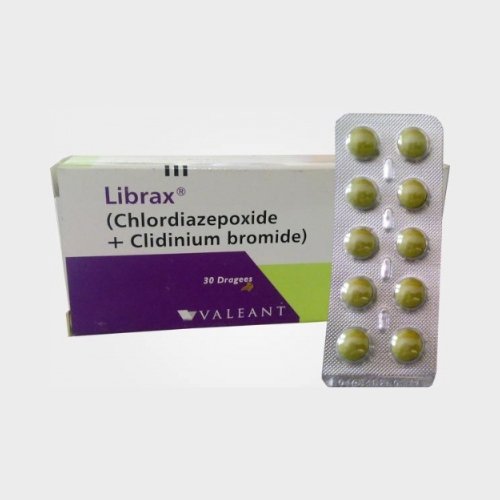
Librax 5mg+2.5mg

Price range: €120.00 through €820.00
Librax 5 mg/2.5 mg combines chlordiazepoxide and clidinium bromide to help relieve gastrointestinal muscle spasms and anxiety associated with certain digestive disorders. It is often used as part of a comprehensive treatment plan that may include dietary changes and other medications.
Librax 5 mg/2.5 mg: Uses, Dosage, Side Effects, Safety, and Frequently Asked Questions
What Is Librax 5 mg/2.5 mg?
Librax 5 mg/2.5 mg is a prescription medication that combines two active ingredients:
- Chlordiazepoxide 5 mg – a benzodiazepine that helps reduce anxiety and tension.
- Clidinium bromide 2.5 mg – an anticholinergic (antispasmodic) medication that helps reduce stomach acid and relax the muscles of the digestive tract.
Librax is used as an adjunctive treatment for certain gastrointestinal conditions where anxiety and intestinal muscle spasms contribute to symptoms. It is typically used alongside dietary changes and other therapies rather than as the only treatment.
How Librax Works
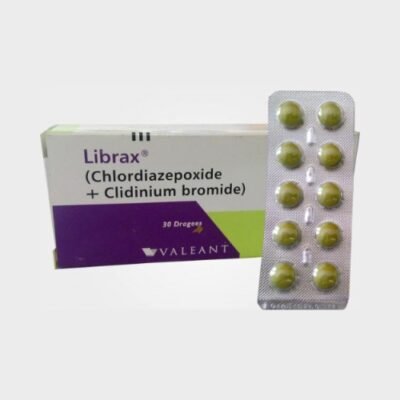
Librax combines the actions of two medicines:
Chlordiazepoxide
Chlordiazepoxide works by enhancing the activity of gamma-aminobutyric acid (GABA), a neurotransmitter that helps calm the brain and nervous system. This may help reduce anxiety associated with digestive disorders.
Clidinium Bromide
Clidinium bromide blocks the action of acetylcholine, helping to:
- Relax smooth muscles in the stomach and intestines.
- Reduce muscle spasms.
- Decrease stomach acid production.
- Relieve abdominal discomfort.
Together, these ingredients help manage both the physical and emotional factors that can contribute to digestive symptoms.
Librax Uses
Irritable Bowel Syndrome (IBS)
Librax may be prescribed to help relieve symptoms such as:
- Abdominal cramping.
- Intestinal spasms.
- Bloating.
- Discomfort associated with IBS.
Peptic Ulcer Disease
Librax may be used as part of a treatment plan for peptic ulcers to help reduce stomach spasms and acid secretion while other therapies address the underlying cause.
Other Functional Gastrointestinal Disorders
Healthcare providers may prescribe Librax for selected digestive conditions involving:
- Gastrointestinal muscle spasms.
- Functional bowel disorders.
- Anxiety associated with gastrointestinal symptoms.
Benefits of Librax 5 mg/2.5 mg
When used as prescribed, Librax may help:
- Reduce abdominal cramping.
- Relieve intestinal spasms.
- Decrease stomach acid secretion.
- Ease anxiety associated with digestive disorders.
- Improve overall digestive comfort.
Librax Dosage
The correct dose depends on:
- The condition being treated.
- Age.
- Overall health.
- Response to treatment.
- Other medications being used.
General guidance:
- Take exactly as prescribed by your healthcare provider.
- Do not increase the dose or use it longer than recommended.
- Because Librax contains a benzodiazepine, prolonged use may increase the risk of dependence.
How to Take Librax
For best results:
- Take the capsule with water.
- It is commonly taken before meals and at bedtime, but always follow your healthcare provider’s instructions.
- It may be taken consistently at the same times each day.
- Do not stop taking Librax suddenly if you have used it regularly for an extended period without consulting your healthcare provider.
Missed Dose
If you miss a dose:
- Take it as soon as you remember.
- Skip the missed dose if it is nearly time for your next scheduled dose.
- Do not take two doses at the same time.
Common Side Effects
Common side effects may include:
- Drowsiness.
- Dizziness.
- Dry mouth.
- Blurred vision.
- Constipation.
- Nausea.
- Difficulty urinating.
- Reduced sweating.
Many of these effects are related to the medicine’s anticholinergic or sedative properties.
Serious Side Effects
Seek immediate medical attention if you experience:
- Severe allergic reactions.
- Confusion.
- Extreme drowsiness.
- Difficulty breathing.
- Severe constipation with abdominal pain.
- Irregular heartbeat.
- Vision changes or eye pain.
- Difficulty urinating.
Because Librax contains chlordiazepoxide, it may cause physical dependence if used regularly for a prolonged period. Do not stop treatment abruptly without medical guidance.
Safety Information
Before taking Librax, tell your healthcare provider if you have:
- Glaucoma.
- Enlarged prostate.
- Urinary retention.
- Liver disease.
- Kidney disease.
- Myasthenia gravis.
- Breathing disorders.
- Depression or a history of substance misuse.
- A history of benzodiazepine dependence.
Older adults may be more sensitive to the sedative and anticholinergic effects of this medication.
Drug Interactions
Librax may interact with:
- Opioid pain medicines.
- Other benzodiazepines.
- Sleeping tablets.
- Antidepressants.
- Antihistamines.
- Antipsychotic medications.
- Alcohol.
- Other anticholinergic medicines.
Always provide your healthcare provider with a complete list of all prescription medicines, over-the-counter products, vitamins, and herbal supplements you use.
Alcohol and Librax
Alcohol should generally be avoided while taking Librax because it can increase:
- Drowsiness.
- Dizziness.
- Poor coordination.
- Breathing problems.
- The risk of serious sedation.
Pregnancy and Breastfeeding
If you are pregnant, planning pregnancy, or breastfeeding:
- Inform your healthcare provider before taking Librax.
- Your healthcare provider will assess whether the expected benefits outweigh the potential risks.
Storage
Store Librax capsules:
- At room temperature.
- Away from heat, moisture, and direct sunlight.
- In the original container.
- Out of reach of children.
Do not use after the expiry date.
Frequently Asked Questions (FAQs)
What is Librax 5 mg/2.5 mg used for?
Librax is used as an adjunctive treatment for irritable bowel syndrome, peptic ulcer disease, and certain gastrointestinal conditions involving muscle spasms and anxiety.
What are the active ingredients in Librax?
Librax contains chlordiazepoxide 5 mg and clidinium bromide 2.5 mg.
Is Librax an antispasmodic?
Yes. The clidinium component helps relax the muscles of the digestive tract, while chlordiazepoxide helps reduce anxiety.
Can Librax make me sleepy?
Yes. Drowsiness is a common side effect because it contains a benzodiazepine.
Can Librax cause dependence?
Yes. Chlordiazepoxide may cause physical dependence if used regularly for a prolonged period. Use only as prescribed.
Can I drive while taking Librax?
Librax may impair alertness and coordination. Avoid driving or operating machinery until you know how the medication affects you.
Can I drink alcohol while taking Librax?
No. Alcohol can significantly increase the sedative effects and may increase the risk of serious side effects.
Can older adults take Librax?
Older adults may be more sensitive to side effects such as drowsiness, confusion, constipation, and difficulty urinating. Careful medical supervision may be required.
What happens if I take too much Librax?
An overdose may cause severe drowsiness, confusion, difficulty breathing, low blood pressure, or loss of consciousness. Seek emergency medical attention immediately if an overdose is suspected.
Can I stop taking Librax suddenly?
If you have used Librax regularly for an extended period, do not stop it suddenly without consulting your healthcare provider, as withdrawal symptoms may occur.
Final Thoughts
Librax 5 mg/2.5 mg combines chlordiazepoxide and clidinium bromide to help relieve gastrointestinal muscle spasms and anxiety associated with certain digestive disorders. It is often used as part of a comprehensive treatment plan that may include dietary changes and other medications.
For the best results, take Librax exactly as prescribed, avoid alcohol, and discuss any concerns about drowsiness, dependence, or side effects with your healthcare provider. Never stop long-term treatment abruptly without medical advice.
Medical Disclaimer: This article is for educational and informational purposes only and should not replace professional medical advice, diagnosis, or treatment. Always consult a qualified healthcare professional before starting, stopping, or changing any medication.
| Quantity | 30 Pills, 60 Pills, 120 Pills, 180 Pills, 200 Pills, 250 Pills, 300 Pills, 400 Pills, 500 Pills |
|---|
Be the first to review “Librax 5mg+2.5mg”
Related products
Drugs

Drugs
Drugs
Drugs

Drugs

Drugs

Drugs

Drugs
Reviews
There are no reviews yet.