
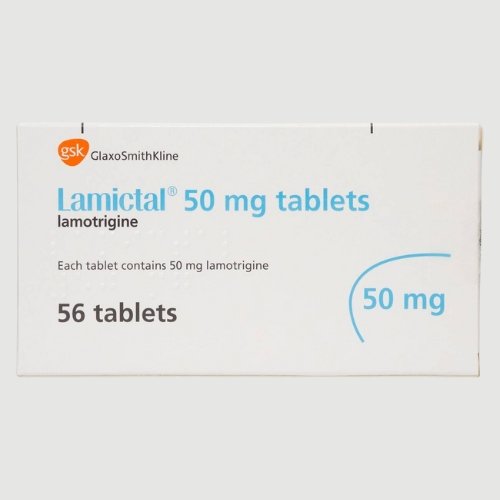
Lamictal 50mg


Price range: €120.00 through €820.00
Lamictal 50 mg (lamotrigine) is an effective medicine used to help control seizures and maintain mood stability in bipolar I disorder. Its gradual dose escalation is an important part of treatment to reduce the risk of serious side effects, particularly severe skin reactions.
Lamictal 50 mg: Uses, Dosage, Side Effects, Safety, and Frequently Asked Questions
What Is Lamictal 50 mg?
Lamictal 50 mg is a prescription medicine containing lamotrigine, an antiepileptic (anti-seizure) medication that is also used to help manage bipolar disorder in certain individuals. It works by stabilizing electrical activity in the brain and reducing the release of excitatory neurotransmitters.
Lamictal is available in several formulations, including:
- Standard tablets.
- Chewable/dispersible tablets.
- Orally disintegrating tablets.
- Extended-release tablets (in some countries).
The 50 mg tablet is one of several strengths used during dose titration or maintenance therapy, depending on the condition being treated.
How Lamictal Works
Lamotrigine helps regulate abnormal electrical activity in the brain by:
- Blocking voltage-sensitive sodium channels.
- Reducing the release of excitatory neurotransmitters such as glutamate.
- Helping stabilize nerve cell activity.
- Reducing the likelihood of seizures.
- Helping maintain mood stability in certain people with bipolar disorder.
Because the risk of certain side effects increases with rapid dose escalation, lamotrigine is usually started at a low dose and increased gradually.
Lamictal 50 mg Uses
Epilepsy
Lamictal is used to help control several types of seizures, including:
- Focal (partial-onset) seizures.
- Generalized tonic-clonic seizures.
- Seizures associated with Lennox-Gastaut syndrome.
It may be prescribed alone or in combination with other anti-seizure medications.
Bipolar Disorder
Lamictal may be prescribed as part of long-term treatment for bipolar I disorder to help delay the recurrence of mood episodes, particularly depressive episodes.
It is not typically used to treat acute manic episodes.
Benefits of Lamictal 50 mg
When used as prescribed, Lamictal may help:
- Reduce seizure frequency.
- Improve seizure control.
- Support long-term management of epilepsy.
- Help maintain mood stability in bipolar disorder.
- Improve quality of life for people living with these conditions.
Lamictal 50 mg Dosage
The correct dose depends on:
- The condition being treated.
- Age.
- Body weight (for some patients).
- Other medications being taken.
- Kidney and liver function.
- Individual response to treatment.
General guidance:
- Take exactly as prescribed.
- Do not increase the dose on your own.
- Follow the prescribed dose escalation schedule carefully.
- Do not stop taking Lamictal suddenly unless advised by your healthcare provider.
Abrupt discontinuation may increase the risk of seizures or worsening symptoms.
How to Take Lamictal 50 mg
For best results:
- Take the medicine at the same time each day.
- Swallow tablets with water unless using a chewable or dispersible formulation.
- Take with or without food.
- Continue treatment even if you feel well.
If you miss several consecutive doses, contact your healthcare provider before restarting, as your dosing schedule may need to be adjusted.
Missed Dose
If you miss a dose:
- Take it as soon as you remember.
- Skip it if it is almost time for your next dose.
- Do not take two doses together.
If multiple doses are missed, seek medical advice before restarting treatment.
Common Side Effects
Common side effects may include:
- Headache.
- Dizziness.
- Drowsiness.
- Blurred or double vision.
- Nausea.
- Difficulty sleeping.
- Tremor.
- Lack of coordination.
Many side effects improve as the body adjusts to treatment.
Serious Side Effects
Seek immediate medical attention if you experience:
- A skin rash, especially if severe or accompanied by fever.
- Blistering or peeling skin.
- Swelling of the face, lips, tongue, or throat.
- Difficulty breathing.
- Severe allergic reactions.
- Persistent fever or swollen glands.
- Worsening seizures.
Lamotrigine has been associated with rare but serious skin reactions, including Stevens-Johnson syndrome (SJS) and toxic epidermal necrolysis (TEN). Any new rash should be assessed promptly by a healthcare professional.
Safety Information
Before taking Lamictal, tell your healthcare provider if you have:
- Kidney disease.
- Liver disease.
- A history of allergic reactions to anti-seizure medicines.
- Depression or other mental health conditions.
- Pregnancy or plans to become pregnant.
Regular follow-up appointments are important to monitor your response to treatment.
Drug Interactions
Lamictal may interact with:
- Valproate (which can increase lamotrigine levels).
- Carbamazepine.
- Phenytoin.
- Phenobarbital.
- Primidone.
- Certain hormonal contraceptives.
- Other anti-seizure medicines.
Always tell your healthcare provider about all prescription medicines, over-the-counter products, vitamins, and herbal supplements you use.
Alcohol and Lamictal
Alcohol may increase side effects such as:
- Dizziness.
- Drowsiness.
- Poor coordination.
- Difficulty concentrating.
Discuss alcohol use with your healthcare provider while taking Lamictal.
Pregnancy and Breastfeeding
If you are pregnant, planning pregnancy, or breastfeeding:
- Inform your healthcare provider before starting or continuing Lamictal.
- Do not stop taking lamotrigine suddenly during pregnancy without medical advice, as uncontrolled seizures can pose serious risks.
Your healthcare provider will carefully weigh the benefits and potential risks of treatment.
Storage
Store Lamictal tablets:
- At room temperature.
- Away from moisture and excessive heat.
- In the original packaging.
- Out of reach of children.
Do not use after the expiry date.
Frequently Asked Questions (FAQs)
What is Lamictal 50 mg used for?
Lamictal 50 mg is used to treat epilepsy and to help maintain mood stability in certain people with bipolar I disorder.
Is Lamictal an antidepressant?
No. Lamictal is an anti-seizure medicine that is also used as a mood stabilizer in bipolar disorder.
Can Lamictal cure epilepsy?
No. Lamictal helps control seizures but does not cure epilepsy.
Why must Lamictal be started slowly?
The dose is increased gradually to reduce the risk of serious skin reactions, including Stevens-Johnson syndrome.
Can Lamictal cause a rash?
Yes. Although many rashes are mild, any new rash should be evaluated promptly because rare serious skin reactions can occur.
Can I stop Lamictal suddenly?
No. Stopping suddenly may increase the risk of seizures or worsening symptoms. Always follow your healthcare provider’s instructions.
Can Lamictal be taken with food?
Yes. It can usually be taken with or without food.
Does Lamictal cause weight gain?
Weight changes are generally less common with lamotrigine than with some other medicines used to treat epilepsy or bipolar disorder, although individual responses vary.
Can children take Lamictal?
Yes. Lamotrigine may be prescribed for certain seizure disorders in children, with dosing based on age, weight, and medical guidance.
What happens if I take too much Lamictal?
An overdose may cause severe dizziness, drowsiness, loss of coordination, abnormal heart rhythm, seizures, or loss of consciousness. Seek emergency medical attention immediately if an overdose is suspected.
Final Thoughts
Lamictal 50 mg (lamotrigine) is an effective medicine used to help control seizures and maintain mood stability in bipolar I disorder. Its gradual dose escalation is an important part of treatment to reduce the risk of serious side effects, particularly severe skin reactions.
Take Lamictal exactly as prescribed, attend regular medical reviews, and seek immediate medical attention if you develop a rash or other serious symptoms. Never stop the medication without consulting your healthcare provider.
Medical Disclaimer: This article is for educational and informational purposes only and should not replace professional medical advice, diagnosis, or treatment. Always consult a qualified healthcare professional before starting, stopping, or changing any medication.
| Quantity | 30 Pills, 60 Pills, 120 Pills, 180 Pills, 200 Pills, 250 Pills, 300 Pills, 400 Pills, 500 Pills |
|---|
Be the first to review “Lamictal 50mg”
Related products
Drugs

Drugs
Drugs

Drugs

Drugs
Drugs

Drugs

Drugs
Reviews
There are no reviews yet.