
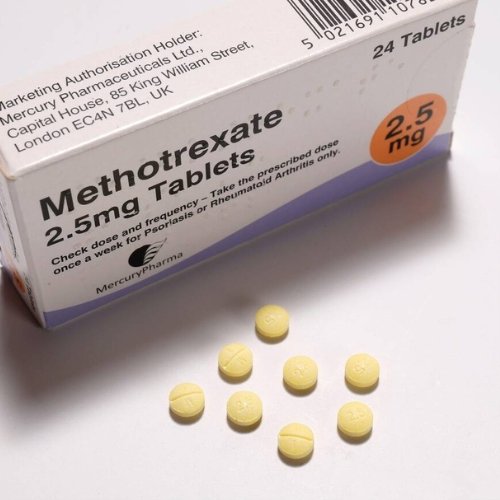


Methotrexate 10 mg: Uses, Dosage, Side Effects, Safety, and Frequently Asked Questions
What Is Methotrexate 10 mg?
Methotrexate 10 mg is a prescription medicine that belongs to a group of drugs called antimetabolites and immunosuppressants. It works by reducing abnormal immune system activity and slowing the growth of certain cells.
Methotrexate is used to treat several conditions, including:
- Rheumatoid arthritis.
- Psoriasis and psoriatic arthritis.
- Certain autoimmune inflammatory diseases.
- Some cancers.
- Ectopic pregnancy (in specific medical situations).
For many inflammatory conditions, methotrexate is used as a disease-modifying antirheumatic drug (DMARD).
How Methotrexate Works
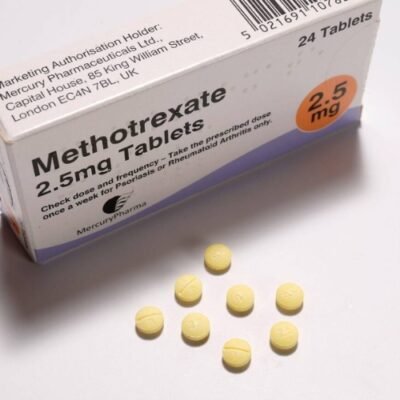
Methotrexate affects the way cells use folic acid, a vitamin needed for cell growth and division.
It works by:
- Reducing inflammation caused by an overactive immune system.
- Slowing the activity of immune cells involved in disease.
- Reducing the growth of rapidly dividing cells.
- Helping control autoimmune inflammation.
For inflammatory diseases, methotrexate is usually taken at a much lower dose than doses used in cancer treatment.
Methotrexate 10 mg Uses
Rheumatoid Arthritis
Methotrexate is one of the most commonly used treatments for rheumatoid arthritis.
It may help:
- Reduce joint inflammation.
- Decrease pain and swelling.
- Slow joint damage.
- Improve physical function.
Psoriasis and Psoriatic Arthritis
Methotrexate may be prescribed for moderate to severe psoriasis or psoriatic arthritis.
It can help reduce:
- Skin inflammation.
- Plaque formation.
- Joint symptoms.
Other Autoimmune Conditions
Specialists may use methotrexate for certain inflammatory diseases, such as:
- Some forms of arthritis.
- Certain connective tissue disorders.
- Other immune-related conditions.
Cancer Treatment
At higher doses and under specialist supervision, methotrexate may be used to treat certain cancers, including some blood cancers and other malignancies.
Benefits of Methotrexate 10 mg
When prescribed correctly, methotrexate may help:
- Reduce chronic inflammation.
- Control autoimmune disease activity.
- Protect joints from long-term damage.
- Improve symptoms and quality of life.
- Reduce the need for stronger immune-suppressing medicines in some cases.
Methotrexate 10 mg Dosage
The dose depends on:
- The condition being treated.
- Body size.
- Age.
- Liver and kidney function.
- Response to treatment.
Important safety point:
For many inflammatory conditions, methotrexate is usually taken once weekly, not daily.
Taking methotrexate incorrectly can cause serious and potentially life-threatening side effects.
General guidance:
- Take exactly as prescribed.
- Never change the schedule without medical advice.
- Regular blood tests are often required during treatment.
How to Take Methotrexate 10 mg
For safe use:
- Follow the exact dosing schedule provided by your healthcare professional.
- Take folic acid supplements if prescribed to reduce some side effects.
- Attend regular monitoring appointments.
- Avoid taking extra doses if you miss one unless advised.
Methotrexate tablets should be swallowed according to the product instructions.
Missed Dose
If you miss a dose:
- Contact your healthcare provider or follow their missed-dose instructions.
- Do not take a double dose unless specifically advised.
Common Side Effects
Common side effects may include:
- Nausea.
- Loss of appetite.
- Mouth sores.
- Tiredness.
- Headache.
- Stomach discomfort.
- Mild hair thinning.
- Increased sensitivity to sunlight.
Serious Side Effects
Seek urgent medical attention if you experience:
- Severe shortness of breath.
- Persistent cough.
- Fever or signs of infection.
- Unusual bruising or bleeding.
- Yellowing of the skin or eyes.
- Severe abdominal pain.
- Severe skin reactions.
Methotrexate can rarely affect the:
- Liver.
- Blood cells.
- Lungs.
- Immune system.
Safety Information
Before taking methotrexate, tell your healthcare provider if you have:
- Liver disease.
- Kidney disease.
- Lung problems.
- Blood disorders.
- Active infections.
- Alcohol-related liver concerns.
- Pregnancy or plans to become pregnant.
Regular monitoring may include:
- Blood counts.
- Liver function tests.
- Kidney function tests.
Drug Interactions
Methotrexate may interact with:
- Certain antibiotics.
- Some anti-inflammatory medicines.
- Medicines affecting kidney function.
- Other immune-suppressing medicines.
- Folic acid-containing supplements (depending on timing and prescribed use).
Always provide your healthcare provider with a full list of medicines, vitamins, and supplements.
Alcohol and Methotrexate
Alcohol may increase the risk of liver damage while taking methotrexate.
Discuss alcohol use with your healthcare provider before and during treatment.
Pregnancy and Breastfeeding
Methotrexate can cause serious harm during pregnancy.
If you are:
- Pregnant.
- Planning pregnancy.
- Breastfeeding.
Discuss this with your healthcare provider before using methotrexate.
Appropriate contraception and medical planning may be required for people who could become pregnant.
Storage
Store methotrexate tablets:
- At room temperature.
- Away from moisture and heat.
- In the original packaging.
- Securely away from children.
Frequently Asked Questions (FAQs)
What is Methotrexate 10 mg used for?
Methotrexate 10 mg is used to treat inflammatory conditions such as rheumatoid arthritis, psoriasis, psoriatic arthritis, and some autoimmune diseases. It is also used in certain cancer treatments.
Is methotrexate a chemotherapy drug?
Yes. Methotrexate is a chemotherapy medicine at higher doses, but it is also widely used at lower doses as an immune-modifying treatment for inflammatory diseases.
How long does methotrexate take to work?
For inflammatory conditions, it may take several weeks or longer before noticeable improvement occurs.
Why is methotrexate taken weekly?
Methotrexate is commonly prescribed weekly for inflammatory diseases because daily dosing can cause dangerous toxicity.
Can methotrexate cure rheumatoid arthritis?
Methotrexate does not cure rheumatoid arthritis, but it can control inflammation and slow disease progression.
Do I need folic acid with methotrexate?
Many patients are prescribed folic acid to help reduce certain side effects. Follow your healthcare provider’s instructions.
Can methotrexate affect the liver?
Yes. Methotrexate can affect liver function, which is why regular monitoring is important.
Can methotrexate weaken the immune system?
Yes. Methotrexate reduces immune activity and may increase susceptibility to some infections.
Can I stop methotrexate suddenly?
Do not stop methotrexate without medical advice, as symptoms of the condition being treated may return.
What happens if I take too much methotrexate?
Taking too much methotrexate can be dangerous and may cause severe toxicity. Seek emergency medical advice if an overdose occurs.
Final Thoughts
Methotrexate 10 mg is an important medication used to control inflammatory diseases and, in some situations, treat cancer. It works by reducing immune system activity and slowing cell growth.
Because methotrexate can cause serious side effects if used incorrectly, it requires careful dosing, regular monitoring, and strict adherence to medical instructions.
Medical Disclaimer: This article is for educational and informational purposes only and should not replace professional medical advice, diagnosis, or treatment. Always consult a qualified healthcare professional before starting, stopping, or changing any medication.
| Quantity | 30 Pills, 60 Pills, 120 Pills, 180 Pills, 200 Pills, 250 Pills, 300 Pills, 400 Pills, 500 Pills |
|---|
Be the first to review “Methotrexate 10mg”
Related products
Drugs

Drugs
Drugs
Drugs

Drugs
Drugs
Drugs
Drugs
Reviews
There are no reviews yet.