

Lidocaine for Mouth and Throat: Uses, Dosage, Side Effects, Safety, and Frequently Asked Questions
What Is Lidocaine for the Mouth and Throat?
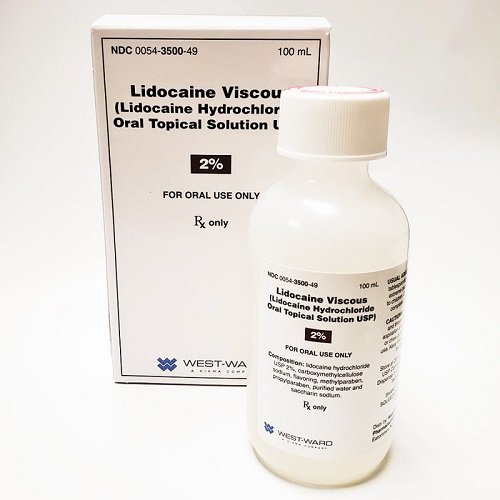
Lidocaine for the mouth and throat is a medication that contains lidocaine, a local anaesthetic used to temporarily numb tissues inside the mouth and throat. It helps relieve pain and discomfort caused by various oral and throat conditions or medical procedures.
Lidocaine works by blocking pain signals from the nerves, providing temporary relief without treating the underlying cause of the condition.
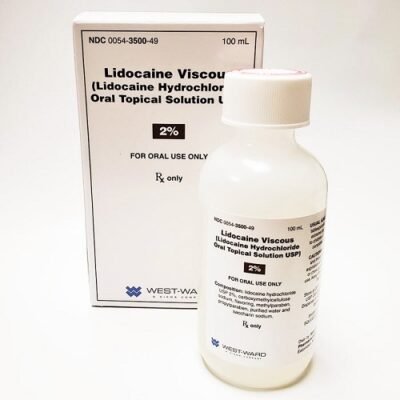
Depending on the country and product, lidocaine for oral use may be available as:
- Mouthwash or oral rinse.
- Viscous oral solution.
- Spray.
- Gel.
- Gargle solution.
Some formulations are available by prescription, while others may be available over the counter.
How Lidocaine Works
Lidocaine blocks voltage-gated sodium channels in nerve cells.
This action helps to:
- Prevent pain signals from reaching the brain.
- Temporarily numb the affected area.
- Reduce discomfort during eating, drinking, or speaking.
- Improve comfort during certain dental or medical procedures.
The numbing effect usually begins within minutes and lasts for a limited period.
Lidocaine Uses
Mouth Ulcers
Lidocaine may be used to relieve pain associated with:
- Aphthous ulcers (canker sores).
- Traumatic mouth ulcers.
- Irritation from braces or dentures.
Sore Throat
Lidocaine may help temporarily relieve pain caused by:
- Viral sore throat.
- Minor throat irritation.
- Inflammation following certain medical procedures.
It is intended for symptom relief and does not treat infections.
Oral Mucositis
People receiving chemotherapy or radiation therapy may use lidocaine under medical supervision to help relieve painful inflammation and ulceration inside the mouth.
Dental Procedures
Dentists and healthcare professionals may use lidocaine preparations before or after certain dental procedures to reduce pain and discomfort.
Benefits of Lidocaine for the Mouth and Throat
When used as directed, lidocaine may help:
- Relieve mouth pain.
- Reduce throat discomfort.
- Improve comfort while eating and drinking.
- Ease pain from oral ulcers.
- Provide temporary numbing during medical or dental care.
Dosage
The correct dose depends on:
- The specific product.
- Age.
- The condition being treated.
- Medical history.
- Healthcare provider recommendations.
General guidance:
- Use exactly as directed on the product label or by your healthcare provider.
- Do not exceed the recommended dose or frequency.
- Different formulations have different dosing instructions.
How to Use Lidocaine for the Mouth and Throat
For best results:
- Wash your hands before applying gel or solution.
- Measure the recommended amount if using a liquid product.
- Swish or gargle only as directed, depending on the product.
- Some products should be spat out after use, while others may be swallowed if specifically indicated by the product instructions or your healthcare provider.
- Avoid eating or drinking until the numbness has partially worn off, as reduced sensation may increase the risk of accidentally biting your mouth or choking.
Always follow the instructions for your specific product.
Missed Dose
Lidocaine is often used as needed for pain relief.
If your healthcare provider has recommended a regular schedule and you miss a dose:
- Use it when you remember.
- Skip the missed dose if it is nearly time for the next scheduled use.
- Do not use extra amounts to make up for a missed dose.
Common Side Effects
Common side effects may include:
- Temporary numbness.
- Mild burning or stinging.
- Altered taste.
- Tingling.
- Mild throat irritation.
These effects are usually temporary.
Serious Side Effects
Seek immediate medical attention if you experience:
- Difficulty breathing.
- Severe allergic reactions.
- Swelling of the face or throat.
- Severe dizziness.
- Irregular heartbeat.
- Confusion.
- Seizures.
Using excessive amounts or swallowing large quantities may increase the risk of serious side effects.
Safety Information
Before using lidocaine, tell your healthcare provider if you have:
- Liver disease.
- Heart rhythm disorders.
- A history of allergic reactions to local anaesthetics.
- Severe mouth injuries.
- Difficulty swallowing.
Use caution in children, as incorrect dosing may increase the risk of serious side effects.
Drug Interactions
Lidocaine may interact with:
- Certain antiarrhythmic medicines.
- Other local anaesthetics.
- Some medications that affect liver metabolism.
Always inform your healthcare provider about all prescription medicines, over-the-counter products, vitamins, and herbal supplements you use.
Food and Drink
Because lidocaine numbs the mouth and throat:
- Avoid hot foods or drinks until sensation returns.
- Take care when chewing to avoid biting your tongue or cheeks.
- Follow your healthcare provider’s instructions regarding eating after use.
Pregnancy and Breastfeeding
If you are pregnant, planning pregnancy, or breastfeeding:
- Discuss lidocaine use with your healthcare provider.
- When used appropriately, many oral lidocaine products may be considered acceptable in certain situations, but individual assessment is important.
Storage
Store lidocaine products:
- At room temperature.
- Away from excessive heat and moisture.
- In the original container.
- Out of reach of children.
Do not use after the expiry date.
Frequently Asked Questions (FAQs)
What is lidocaine for the mouth and throat used for?
It is used to temporarily relieve pain and discomfort caused by mouth ulcers, sore throat, oral mucositis, and certain dental or medical procedures.
How does lidocaine work?
Lidocaine blocks pain signals by temporarily numbing the nerves in the treated area.
How quickly does lidocaine work?
Most oral lidocaine products begin working within a few minutes, although the exact onset and duration depend on the specific formulation.
Can I eat immediately after using lidocaine?
It is generally recommended to wait until the numbness has worn off to reduce the risk of choking or accidentally biting your mouth.
Can children use lidocaine for the mouth?
Some products may be appropriate for children, but dosing and suitability depend on age and the specific product. Always follow medical advice.
Can I swallow lidocaine mouthwash?
Some formulations are designed to be spat out, while others may be swallowed if specifically directed. Always follow the instructions provided with your particular product.
Can lidocaine treat an infection?
No. Lidocaine relieves pain but does not treat bacterial, viral, or fungal infections.
What happens if I use too much lidocaine?
Using excessive amounts may increase the risk of serious side effects, including seizures, heart rhythm disturbances, or severe allergic reactions. Seek immediate medical attention if an overdose is suspected.
Can I use lidocaine every day?
Use it only for the duration and frequency recommended by your healthcare provider or the product instructions. Persistent mouth or throat pain should be evaluated by a healthcare professional.
Can I use lidocaine with other mouth medications?
Yes, in some cases, but check with your healthcare provider or pharmacist to avoid interactions or excessive numbing.
Final Thoughts
Lidocaine for the mouth and throat provides temporary relief from pain caused by oral ulcers, sore throat, oral mucositis, and certain dental procedures. By numbing the affected area, it can improve comfort while eating, drinking, and speaking.
For safe and effective use, follow the product instructions carefully, avoid exceeding the recommended dose, and take precautions while your mouth or throat is numb. If symptoms persist, worsen, or are accompanied by fever, swelling, or difficulty swallowing, seek medical evaluation.
Medical Disclaimer: This article is for educational and informational purposes only and should not replace professional medical advice, diagnosis, or treatment. Always consult a qualified healthcare professional before starting, stopping, or changing any medication.
Be the first to review “Lidocaine for mouth and throat”
Related products
Drugs
Drugs
Drugs
Drugs
Drugs
Drugs

Drugs
Reviews
There are no reviews yet.