
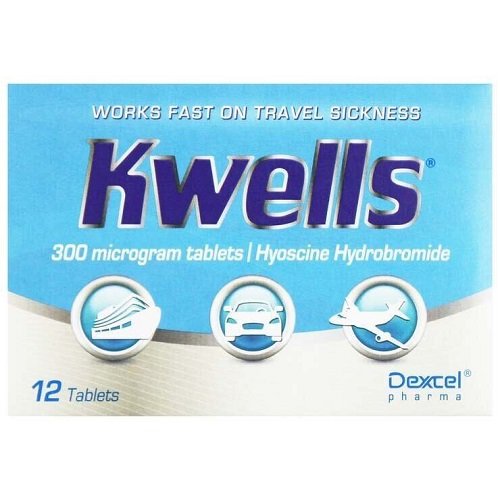
Hyoscine (Kwells and Joy-Rides)
Price range: €120.00 through €820.00
Hyoscine (Kwells and Joy-Rides) is a widely used medicine for preventing and treating motion sickness. By reducing signals from the inner ear to the brain, it helps relieve nausea, vomiting, and dizziness associated with travel. When taken as directed before travel, it can make journeys by car, boat, train, or airplane much more comfortable.
Because hyoscine can cause drowsiness and interact with certain medicines, it should always be used according to the product instructions or your healthcare provider’s advice.
Hyoscine (Kwells and Joy-Rides): Uses, Dosage, Side Effects, Safety, and Frequently Asked Questions
What Is Hyoscine (Kwells and Joy-Rides)?
Hyoscine, also known as hyoscine hydrobromide, is a medicine commonly used to prevent and treat motion sickness (travel sickness). It is the active ingredient in well-known brands such as Kwells and Joy-Rides.
Hyoscine belongs to a group of medicines called anticholinergics. It works by blocking certain nerve signals involved in nausea, vomiting, and dizziness caused by movement.
Hyoscine is available in several forms, including:
- Tablets
- Chewable tablets
- Transdermal patches (in some countries)
- Injectable formulations for hospital use
Kwells and Joy-Rides are commonly used before or during travel by car, boat, train, or airplane to help prevent travel sickness.
How Hyoscine Works
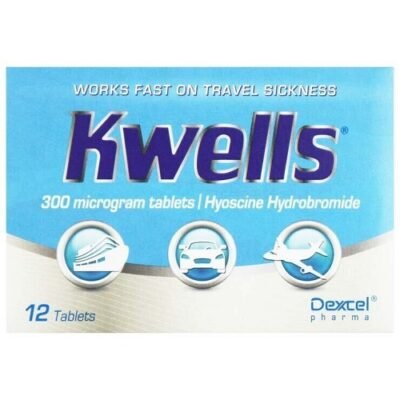
Motion sickness occurs when the brain receives conflicting signals from the eyes, inner ear, and body during movement.
Hyoscine works by:
- Blocking acetylcholine, a chemical messenger involved in the vomiting reflex.
- Reducing signals from the balance organs of the inner ear.
- Helping prevent nausea and vomiting.
- Reducing dizziness associated with travel.
It is most effective when taken before travel begins.
Hyoscine (Kwells and Joy-Rides) Uses
Motion Sickness
Hyoscine is primarily used to prevent and relieve symptoms of motion sickness, including:
- Nausea.
- Vomiting.
- Dizziness.
- Cold sweats.
- Feeling unwell during travel.
It may be used for travel by:
- Car.
- Bus.
- Boat.
- Ferry.
- Cruise ship.
- Train.
- Airplane.
Vertigo (Certain Cases)
Healthcare professionals may prescribe hyoscine for some conditions involving dizziness or balance disturbances, depending on the underlying cause.
Preoperative or Hospital Use
Injectable forms of hyoscine may be used in hospitals for specific medical purposes, such as reducing secretions before surgery or treating certain gastrointestinal spasms.
Benefits of Hyoscine
When used correctly, hyoscine may help:
- Prevent travel sickness.
- Reduce nausea and vomiting.
- Minimise dizziness during travel.
- Improve travel comfort.
- Help maintain normal daily activities while travelling.
Hyoscine Dosage
The correct dose depends on:
- Age.
- The specific product (Kwells, Joy-Rides, or another formulation).
- Medical history.
- The duration of travel.
General guidance:
- Take exactly as directed on the product label or by your healthcare provider.
- For motion sickness, it is often recommended to take the medicine shortly before travel begins.
- Do not exceed the recommended dose.
Children should only receive products that are appropriate for their age and according to the manufacturer’s instructions or healthcare advice.
How to Take Hyoscine
For best results:
- Take the tablet with water unless using a chewable product.
- If using chewable tablets, chew thoroughly before swallowing.
- Take before symptoms begin whenever possible.
- Follow the timing instructions on the product packaging.
If using a transdermal patch, follow the application instructions supplied with the specific product.
Missed Dose
If you are taking hyoscine on a schedule:
- Take the missed dose when you remember.
- Skip it if it is almost time for the next dose.
- Do not take two doses together.
For occasional travel sickness prevention, missed doses are generally less relevant because the medicine is often taken as needed.
Common Side Effects
Common side effects may include:
- Dry mouth.
- Drowsiness.
- Blurred vision.
- Dizziness.
- Constipation.
- Difficulty concentrating.
Many side effects are mild and temporary.
Serious Side Effects
Seek medical attention immediately if you experience:
- Severe allergic reactions.
- Difficulty urinating.
- Confusion or hallucinations.
- Fast or irregular heartbeat.
- Severe eye pain or sudden vision changes.
These reactions are uncommon but require prompt medical evaluation.
Safety Information
Before taking hyoscine, tell your healthcare provider if you have:
- Glaucoma.
- Enlarged prostate.
- Difficulty passing urine.
- Heart disease.
- Liver or kidney disease.
- Myasthenia gravis.
- Bowel obstruction.
Hyoscine may not be suitable for everyone, particularly those with certain eye or urinary conditions.
Drug Interactions
Hyoscine may interact with:
- Other anticholinergic medicines.
- Sedatives.
- Sleeping tablets.
- Opioid pain medicines.
- Some antidepressants.
- Antihistamines that cause drowsiness.
Always inform your healthcare provider or pharmacist about all medicines and supplements you use.
Alcohol and Hyoscine
Alcohol may increase side effects such as:
- Drowsiness.
- Dizziness.
- Poor coordination.
- Reduced concentration.
Avoid or limit alcohol while taking hyoscine, especially before driving or operating machinery.
Pregnancy and Breastfeeding
If you are pregnant, planning pregnancy, or breastfeeding, speak with your healthcare provider before taking hyoscine.
They can help determine whether it is appropriate for your individual situation.
Storage
Store hyoscine tablets:
- At room temperature.
- Away from heat and moisture.
- In the original packaging.
- Out of reach of children.
Do not use after the expiry date.
Frequently Asked Questions (FAQs)
What is hyoscine used for?
Hyoscine is mainly used to prevent and treat motion sickness, including nausea, vomiting, and dizziness caused by travel.
Are Kwells and Joy-Rides the same?
Both Kwells and Joy-Rides are brand names for medicines containing hyoscine hydrobromide, although formulations and strengths may vary by manufacturer and country.
How long before travelling should I take hyoscine?
Follow the instructions on your specific product or your healthcare provider’s advice. It is generally most effective when taken before travel begins.
Does hyoscine make you sleepy?
Yes. Drowsiness is a common side effect in some people.
Can children take hyoscine?
Some hyoscine products are suitable for children of certain ages. Always check the product label or consult a healthcare professional for age-specific guidance.
Can I drive after taking hyoscine?
Hyoscine may cause drowsiness or blurred vision. Do not drive or operate machinery if you are affected.
Can hyoscine be taken with food?
Yes. It can generally be taken with or without food unless otherwise directed.
Can hyoscine be used during pregnancy?
Consult your healthcare provider before using hyoscine during pregnancy or breastfeeding.
What should I do if travel sickness continues?
If symptoms persist despite treatment or become severe, seek advice from a healthcare professional.
What happens if I take too much hyoscine?
An overdose may cause severe drowsiness, confusion, blurred vision, rapid heartbeat, difficulty urinating, or other serious symptoms. Seek emergency medical attention immediately if an overdose is suspected.
Final Thoughts
Hyoscine (Kwells and Joy-Rides) is a widely used medicine for preventing and treating motion sickness. By reducing signals from the inner ear to the brain, it helps relieve nausea, vomiting, and dizziness associated with travel. When taken as directed before travel, it can make journeys by car, boat, train, or airplane much more comfortable.
Because hyoscine can cause drowsiness and interact with certain medicines, it should always be used according to the product instructions or your healthcare provider’s advice.
Medical Disclaimer: This article is for educational and informational purposes only and should not replace professional medical advice, diagnosis, or treatment. Always consult a qualified healthcare professional before starting, stopping, or changing any medication.
| Quantity | 30 Pills, 60 Pills, 120 Pills, 180 Pills, 200 Pills, 250 Pills, 300 Pills, 400 Pills, 500 Pills |
|---|
Be the first to review “Hyoscine (Kwells and Joy-Rides)”
Related products
Drugs
Drugs
Drugs
Drugs
Drugs
Drugs
Drugs
Drugs
Reviews
There are no reviews yet.