
Carbamazepine: Uses, Dosage, Side Effects, Safety, and Frequently Asked Questions
Carbamazepine: Uses, Dosage, Side Effects & Safety Guide
Learn about Carbamazepine, including its uses for epilepsy, nerve pain, and bipolar disorder, dosage guidance, side effects, safety precautions, drug interactions, and frequently asked questions.
Carbamazepine: Everything You Need to Know
Carbamazepine is a prescription medication classified as an anticonvulsant (antiepileptic) and mood-stabilizing medicine. It is commonly used to control certain types of seizures, treat nerve pain, and help manage bipolar disorder in some patients.
Carbamazepine works by reducing abnormal electrical activity in the brain and stabilizing overactive nerve signals. It has been used for many years and remains an important medication for neurological and psychiatric conditions.
Because Carbamazepine can interact with many other medicines and may affect blood cells and liver function, regular medical monitoring is often required.
What Is Carbamazepine?
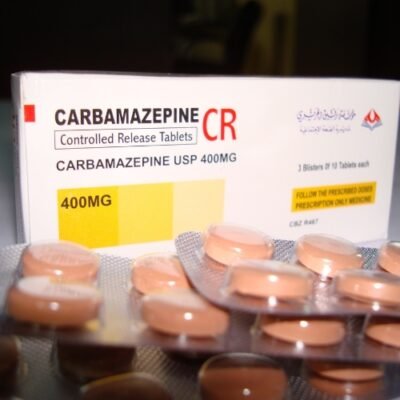
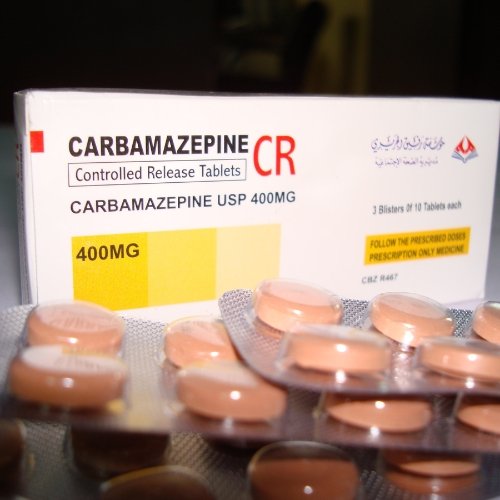
Carbamazepine is an oral medication available in several forms, including:
- Immediate-release tablets
- Chewable tablets
- Extended-release tablets
- Capsules
- Oral suspension
Common strengths include:
- 100 mg
- 200 mg
- 400 mg
The appropriate formulation and dose depend on the condition being treated and the patient’s response.
Approved Medical Uses
Healthcare providers prescribe Carbamazepine for:
- Epilepsy (certain seizure disorders)
- Focal (partial) seizures
- Generalized tonic-clonic seizures in some cases
- Trigeminal neuralgia (severe facial nerve pain)
- Certain types of nerve pain
- Bipolar disorder (especially manic episodes)
It may also be used for other conditions when considered appropriate by a healthcare professional.
How Does Carbamazepine Work?
Carbamazepine works mainly by blocking voltage-gated sodium channels in nerve cells.
This helps:
- Reduce excessive electrical activity in the brain
- Prevent seizures
- Stabilize nerve signaling
- Reduce abnormal pain signals
- Help regulate mood changes
How Should Carbamazepine Be Taken?
Always take Carbamazepine exactly as prescribed.
General recommendations include:
- Take doses at evenly spaced times.
- Swallow extended-release tablets as directed.
- Do not crush extended-release tablets unless instructed.
- Take with food if it helps reduce stomach upset.
- Do not stop suddenly without medical advice.
- Attend scheduled blood tests and follow-up appointments.
Stopping Carbamazepine suddenly may increase the risk of seizures or worsening symptoms.
Dosage Information
The dose depends on:
- The condition being treated
- Age
- Weight
- Other medications
- Blood levels of Carbamazepine
- Treatment response
Typical adult dosing (general guidance)
Epilepsy
- Often started at a low dose and gradually increased.
- Maintenance doses vary depending on seizure control.
Trigeminal Neuralgia
- Usually started at a low dose and adjusted according to pain relief and tolerance.
Bipolar Disorder
- Dose is individualized based on mood stabilization needs.
Important note
Carbamazepine dosing requires careful adjustment because blood levels may need monitoring to maintain effectiveness and reduce side effects.
Common Side Effects
Common side effects may include:
- Dizziness
- Drowsiness
- Fatigue
- Nausea
- Vomiting
- Blurred vision
- Loss of coordination
- Headache
- Dry mouth
These effects may improve as the body adjusts to treatment.
Serious Safety Warnings
Carbamazepine can cause rare but serious side effects.
Potential risks include:
- Serious skin reactions (including Stevens-Johnson syndrome and toxic epidermal necrolysis)
- Low blood cell counts
- Liver problems
- Severe allergic reactions
- Low sodium levels (hyponatremia)
- Increased suicidal thoughts or behavior in some individuals taking antiepileptic medicines
Seek urgent medical attention if you experience:
- Severe skin rash
- Fever with sore throat
- Unusual bruising or bleeding
- Yellowing of the skin or eyes
- Severe weakness
- Difficulty breathing
Important Precautions
Before taking Carbamazepine, tell your healthcare provider if you have:
- Liver disease
- Kidney disease
- Blood disorders
- Heart rhythm problems
- Glaucoma
- Mental health conditions
- Pregnancy or plans to become pregnant
- A history of allergic reactions to similar medicines
Some people have genetic factors that increase the risk of serious skin reactions, and testing may be recommended in certain populations.
Drug Interactions
Carbamazepine interacts with many medications because it can increase the breakdown of other drugs in the body.
Inform your healthcare provider about all:
- Prescription medications
- Over-the-counter medicines
- Vitamins
- Herbal supplements
Important interactions include:
- Hormonal contraceptives (may reduce effectiveness)
- Warfarin and other blood thinners
- Some antibiotics
- Some antifungal medicines
- Certain antidepressants
- Other seizure medications
- HIV medications
- Grapefruit products
Never start or stop another medication without medical advice.
Monitoring During Treatment
Healthcare providers may monitor:
- Carbamazepine blood levels
- Complete blood count
- Liver function tests
- Sodium levels
- Seizure control
- Mood symptoms
- Side effects
Regular monitoring helps ensure safe and effective treatment.
Safe Storage
Store Carbamazepine according to the product instructions.
General recommendations include:
- Keep medication in the original container.
- Store at room temperature.
- Protect from moisture and excessive heat.
- Keep away from children and pets.
- Do not use expired medication.
- Dispose of unused medication properly.
Frequently Asked Questions
What is Carbamazepine used for?
Carbamazepine is used to treat epilepsy, certain nerve pain conditions such as trigeminal neuralgia, and bipolar disorder in some patients.
Is Carbamazepine an antidepressant?
No. Carbamazepine is an anticonvulsant and mood stabilizer. It is sometimes used in bipolar disorder to help control mood episodes.
Can Carbamazepine stop seizures completely?
Carbamazepine can help control seizures in many people, but effectiveness varies depending on the type of epilepsy and individual response.
What are the most common side effects?
Common side effects include dizziness, drowsiness, nausea, fatigue, blurred vision, and loss of coordination.
Can I stop Carbamazepine suddenly?
No. Stopping suddenly can increase the risk of seizures or worsening symptoms. Dose changes should always be supervised by a healthcare provider.
Does Carbamazepine interact with birth control?
Yes. Carbamazepine may reduce the effectiveness of some hormonal contraceptives. Discuss alternative options with your healthcare provider.
How long does Carbamazepine take to work?
The time varies depending on the condition being treated. Some effects may appear within days, while full benefits may take several weeks.
Conclusion
Carbamazepine is an important prescription medication used for seizure control, nerve pain treatment, and mood stabilization in certain conditions. By reducing abnormal nerve activity, it helps manage symptoms and improve quality of life for many patients.
Because Carbamazepine can cause serious side effects and interacts with many medications, it should only be taken under medical supervision. Regular blood tests, careful dose adjustments, and communication with a healthcare provider are essential for safe and effective treatment.
Carbamazepine, Carbamazepine uses, Carbamazepine dosage, Carbamazepine side effects, Carbamazepine tablets, epilepsy medication, seizure treatment, anticonvulsant medicine, trigeminal neuralgia treatment, nerve pain medication, bipolar disorder medication, mood stabilizer, Carbamazepine safety, Carbamazepine interactions, Carbamazepine FAQs, antiepileptic drug guide, seizure control medicine, neurological medication, prescription anticonvulsant.
| Quantity | 30 pills, 60 pills, 120 pills, 180 pills, 200 pills, 250 pills, 300 pills, 400 pills, 500 pills |
|---|
Be the first to review “Carbamazepine”
Related products

Drugs

Drugs


Drugs

Drugs

Drugs

Drugs

Drugs
Reviews
There are no reviews yet.