

Antenex (Diazepam): Uses, Dosage, Side Effects, Safety Information, and Frequently Asked Questions
What Is Antenex?
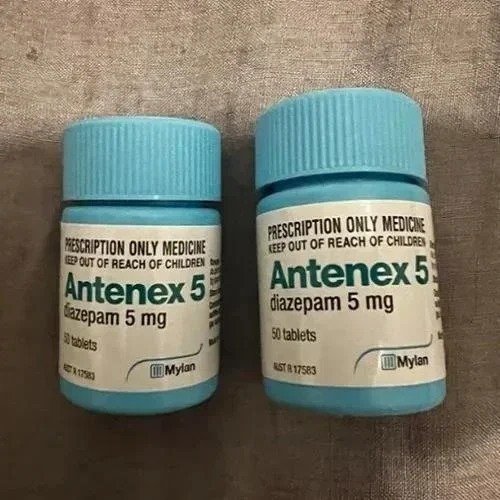
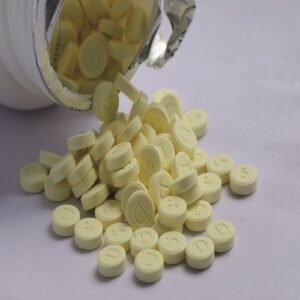
Antenex is a brand name for diazepam, a prescription medication that belongs to the benzodiazepine class. Diazepam is commonly prescribed for the short-term treatment of anxiety disorders, muscle spasms, alcohol withdrawal symptoms, and certain types of seizures under medical supervision.
Diazepam works by enhancing the effects of gamma-aminobutyric acid (GABA), a neurotransmitter that helps reduce excessive activity in the brain and nervous system.
Active Ingredient
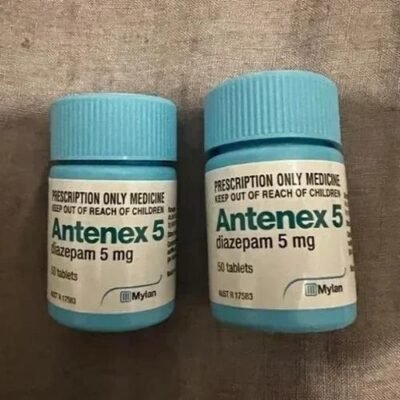
Brand name: Antenex
Active ingredient: Diazepam
Medication class: Benzodiazepine
Drug type: Anxiolytic, sedative, muscle relaxant, anticonvulsant
Common tablet strengths may vary by country and manufacturer.
Uses of Antenex (Diazepam)
A healthcare professional may prescribe Antenex for:
Anxiety Disorders
Diazepam may help reduce:
- Excessive worry.
- Nervousness.
- Tension.
- Restlessness.
- Anxiety-related symptoms.
Muscle Spasms
It may be used to relieve:
- Muscle stiffness.
- Painful muscle spasms.
- Certain neurological muscle disorders.
Alcohol Withdrawal
Diazepam may help manage symptoms such as:
- Agitation.
- Tremors.
- Anxiety.
- Restlessness.
Seizure Disorders
In some situations, diazepam may be used as part of seizure management under medical supervision.
How Antenex Works
Diazepam increases the effect of GABA, the brain’s primary inhibitory neurotransmitter. This action helps:
- Reduce anxiety.
- Promote relaxation.
- Relax muscles.
- Produce calming and sedative effects.
- Reduce seizure activity in certain situations.
Dosage Information
- Take Antenex exactly as prescribed.
- The dose depends on the medical condition being treated, age, and individual response.
- Tablets are usually swallowed with water.
- Do not increase the dose or use it longer than recommended.
- Long-term use may increase the risk of dependence.
If treatment needs to be stopped after extended use, a healthcare provider may recommend gradually reducing the dose.
Possible Side Effects
Common side effects may include:
- Drowsiness.
- Fatigue.
- Dizziness.
- Muscle weakness.
- Reduced coordination.
- Blurred vision.
- Confusion.
- Difficulty concentrating.
Many side effects improve as the body adjusts to treatment.
Serious Side Effects (Seek Medical Advice)
Seek immediate medical attention if you experience:
- Difficulty breathing.
- Severe allergic reactions.
- Extreme sedation.
- Severe confusion.
- Hallucinations.
- Significant mood or behavioral changes.
- Thoughts of self-harm.
The risk of serious side effects increases when diazepam is combined with opioids, alcohol, or other sedative medications.
Safety Information
Before taking Antenex, tell your healthcare provider if you have:
- Liver disease.
- Kidney disease.
- Breathing problems.
- Sleep apnea.
- Depression or other mental health conditions.
- A history of alcohol or substance misuse.
- Myasthenia gravis.
Important Precautions
- Avoid alcohol while taking diazepam.
- Do not drive or operate machinery until you know how the medication affects you.
- Use only as prescribed.
- Store securely to prevent misuse.
Drug Interactions
Tell your healthcare provider about all medicines and supplements you take, especially:
- Opioid pain medicines.
- Other benzodiazepines.
- Sleeping tablets.
- Antidepressants.
- Antipsychotics.
- Sedating antihistamines.
- Alcohol-containing products.
These combinations can increase drowsiness and the risk of dangerous breathing problems.
Dependence and Withdrawal
Diazepam may cause:
- Physical dependence.
- Tolerance with prolonged use.
- Withdrawal symptoms if stopped suddenly.
Possible withdrawal symptoms include:
- Anxiety.
- Insomnia.
- Irritability.
- Tremors.
- Sweating.
- Seizures in severe cases.
A healthcare provider should supervise any dose reduction.
Frequently Asked Questions (FAQs)
What is Antenex used for?
Antenex (diazepam) is used for anxiety, muscle spasms, alcohol withdrawal symptoms, and certain seizure-related conditions.
Is Antenex the same as diazepam?
Yes. Antenex is a brand name that contains the active ingredient diazepam.
Is Antenex addictive?
Diazepam can cause dependence and has the potential for misuse, especially with long-term use or higher doses.
Can Antenex make you sleepy?
Yes. Drowsiness and fatigue are among the most common side effects.
Can I drink alcohol while taking Antenex?
No. Alcohol can significantly increase sedation and the risk of serious side effects.
Can Antenex be stopped suddenly?
No. Stopping diazepam suddenly after regular use may cause withdrawal symptoms. Speak with your healthcare provider before discontinuing treatment.
How should Antenex be stored?
Store at room temperature, away from moisture and heat, and keep it out of the reach of children and others for whom it was not prescribed.
Final Thoughts
Antenex (diazepam) is a prescription benzodiazepine used for anxiety disorders, muscle spasms, alcohol withdrawal management, and certain seizure-related conditions. When used under medical supervision, it can be effective for short-term symptom relief.
Because diazepam carries risks of drowsiness, dependence, and withdrawal, it should only be used exactly as prescribed. Patients should avoid alcohol, follow dosing instructions carefully, and consult their healthcare provider before making any changes to treatment.
Disclaimer: This information is for educational purposes only and does not replace professional medical advice. Always follow the guidance of your healthcare provider regarding the use of diazepam.
| Quantity | 100 Tablets, 200 Tablets, 500 Tablets |
|---|
Be the first to review “Antenex diazepam”
Related products
ANXIETY
ANXIETY
ANXIETY
ANXIETY
ANXIETY
ANXIETY
ANXIETY
ANXIETY
Reviews
There are no reviews yet.