
Zosyn (Piperacillin/Tazobactam): Uses, Dosage, Side Effects, Safety, and Frequently Asked Questions
What Is Zosyn?
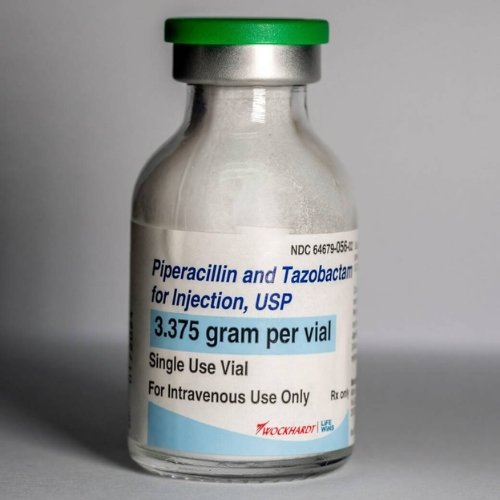
Zosyn is a prescription broad-spectrum antibiotic that contains a combination of piperacillin (a penicillin-class antibiotic) and tazobactam (a beta-lactamase inhibitor). It is used to treat moderate to severe bacterial infections caused by susceptible bacteria.
Piperacillin kills bacteria by interfering with bacterial cell wall formation, while tazobactam helps protect piperacillin from being broken down by certain bacterial enzymes (beta-lactamases), allowing the antibiotic to work against a wider range of bacteria.
Zosyn is administered intravenously (IV) and is commonly used in hospitals and healthcare facilities.
How Zosyn Works
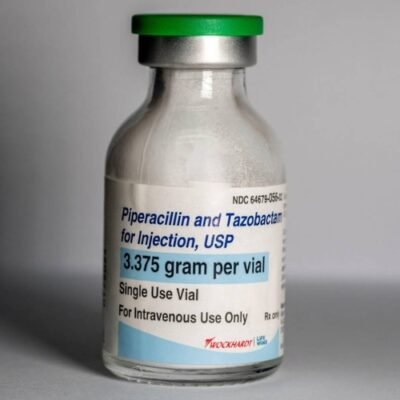
Zosyn combines two active ingredients:
- Piperacillin destroys bacteria by preventing the formation of their protective cell walls.
- Tazobactam blocks beta-lactamase enzymes produced by some bacteria, helping piperacillin remain effective.
Together, they provide broad coverage against many Gram-positive, Gram-negative, and anaerobic bacteria.
Zosyn Uses
Healthcare providers prescribe Zosyn to treat a variety of serious bacterial infections, including:
Pneumonia
Including certain hospital-acquired and healthcare-associated bacterial pneumonias.
Intra-abdominal Infections
Such as:
- Appendicitis with complications.
- Peritonitis.
- Abdominal abscesses.
Skin and Soft Tissue Infections
Including:
- Cellulitis.
- Diabetic foot infections.
- Infected wounds.
Urinary Tract Infections (Certain Cases)
Especially complicated urinary tract infections caused by susceptible bacteria.
Gynecological Infections
Including certain pelvic infections caused by susceptible organisms.
Sepsis (Bloodstream Infection)
Zosyn may be used as part of the treatment for serious bloodstream infections when broad-spectrum antibiotic coverage is needed.
Benefits of Zosyn
When used appropriately, Zosyn may help:
- Treat serious bacterial infections.
- Reduce bacterial growth quickly.
- Prevent the spread of infection.
- Lower the risk of infection-related complications.
- Provide broad-spectrum antibacterial coverage while culture results are pending.
Dosage
The appropriate dose depends on:
- The type and severity of infection.
- Age.
- Body weight (for children).
- Kidney function.
- The bacteria causing the infection.
Because Zosyn is given by intravenous infusion, dosing is determined and administered by healthcare professionals.
Do not stop treatment early unless advised by your healthcare provider, even if symptoms improve.
How Zosyn Is Administered
Zosyn is:
- Given by intravenous (IV) infusion.
- Administered in hospitals, clinics, or by trained healthcare professionals.
- Sometimes used through outpatient IV antibiotic programs when appropriate.
Common Side Effects
Common side effects may include:
- Diarrhea.
- Nausea.
- Vomiting.
- Headache.
- Rash.
- Fever.
- Injection site reactions.
Serious Side Effects
Seek immediate medical attention if you experience:
- Severe allergic reactions.
- Difficulty breathing.
- Swelling of the face, lips, tongue, or throat.
- Severe or persistent diarrhea (which may indicate Clostridioides difficile infection).
- Severe skin reactions.
- Unusual bleeding or bruising.
- Seizures (particularly in people with kidney impairment receiving high doses).
Safety Information
Before receiving Zosyn, tell your healthcare provider if you have:
- An allergy to penicillins, cephalosporins, or other beta-lactam antibiotics.
- Kidney disease.
- Liver disease.
- A history of severe allergic reactions.
- Bleeding disorders.
- Pregnancy or plans to become pregnant.
- Breastfeeding.
Your healthcare provider may monitor:
- Kidney function.
- Liver function.
- Blood cell counts.
- Electrolyte levels during prolonged treatment.
Drug Interactions
Zosyn may interact with:
- Warfarin and other anticoagulants.
- Methotrexate.
- Certain diuretics.
- Aminoglycoside antibiotics.
- Probenecid.
- Neuromuscular blocking agents used during surgery.
Always inform your healthcare provider about all prescription medicines, over-the-counter medications, vitamins, and herbal supplements you use.
Pregnancy and Breastfeeding
If you are pregnant or breastfeeding:
- Tell your healthcare provider before receiving Zosyn.
- It may be used during pregnancy when the potential benefits outweigh the risks.
- Small amounts may pass into breast milk, so your healthcare provider can advise whether breastfeeding should continue during treatment.
Storage
Healthcare facilities store Zosyn according to manufacturer recommendations.
If you are receiving home IV therapy:
- Follow storage instructions provided by your healthcare team.
- Do not use the medication if it appears cloudy or contains particles unless instructed otherwise.
Frequently Asked Questions (FAQs)
What is Zosyn used for?
Zosyn is used to treat serious bacterial infections, including pneumonia, intra-abdominal infections, skin infections, complicated urinary tract infections, and bloodstream infections caused by susceptible bacteria.
Is Zosyn a penicillin?
Yes. Zosyn contains piperacillin, which is a penicillin-class antibiotic, combined with tazobactam, a beta-lactamase inhibitor.
Can Zosyn treat viral infections?
No. Zosyn is effective only against bacterial infections and does not treat viral illnesses such as the common cold or influenza.
How is Zosyn given?
Zosyn is administered by intravenous (IV) infusion under the supervision of a healthcare professional.
Can Zosyn cause diarrhea?
Yes. Diarrhea is a common side effect. Severe or persistent diarrhea should be reported to your healthcare provider promptly.
Can people with penicillin allergies receive Zosyn?
People with a history of penicillin allergy should inform their healthcare provider before receiving Zosyn. Depending on the type and severity of the allergy, an alternative antibiotic may be recommended.
What happens if I miss a dose?
Because Zosyn is usually administered by healthcare professionals, missed doses are uncommon. If you are receiving home IV therapy and miss a dose, contact your healthcare provider for instructions.
Can Zosyn be used in children?
Yes. Zosyn may be prescribed for certain bacterial infections in children, with dosing based on age, weight, and the specific infection.
Final Thoughts
Zosyn (piperacillin/tazobactam) is a broad-spectrum intravenous antibiotic widely used to treat serious bacterial infections in hospitals and other healthcare settings. Its combination of a penicillin antibiotic with a beta-lactamase inhibitor provides effective coverage against many difficult-to-treat bacteria.
Because Zosyn is intended for bacterial infections only, it should be used exactly as prescribed by a healthcare professional. Completing the full course of treatment helps maximize effectiveness and reduce the risk of antibiotic resistance.
Medical Disclaimer: This article is for educational and informational purposes only and should not replace professional medical advice, diagnosis, or treatment. Always consult a qualified healthcare professional before starting, stopping, or changing any medication.
| Quantity | 30 Pills, 60 Pills, 120 Pills, 180 Pills, 200 Pills, 250 Pills, 300 Pills, 400 Pills, 500 Pills |
|---|
Be the first to review “Zosyn”
Related products
Drugs
Drugs

Drugs
Drugs
Drugs
Drugs
Drugs
Reviews
There are no reviews yet.