
Valsartan 160 mg: Uses, Dosage, Side Effects, Safety, and Frequently Asked Questions
What Is Valsartan 160 mg?
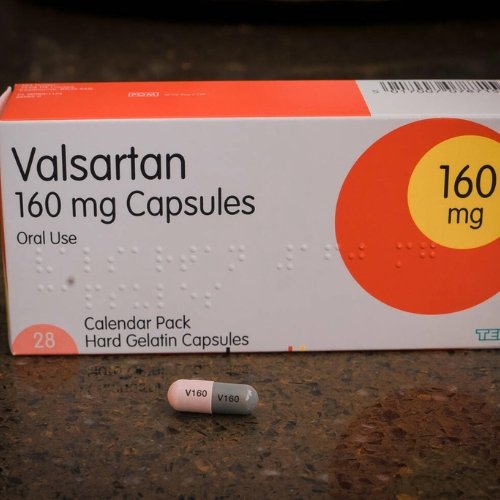
Valsartan 160 mg is a prescription medication belonging to a group of medicines called angiotensin II receptor blockers (ARBs). It is used to treat high blood pressure (hypertension) and certain heart conditions.
Valsartan works by relaxing blood vessels, allowing blood to flow more easily and reducing the workload on the heart.
It is available in several strengths, including:
- 40 mg tablets
- 80 mg tablets
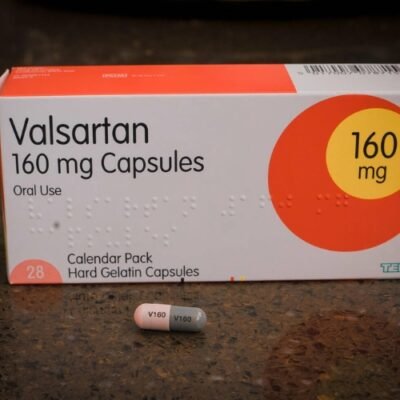
- 160 mg tablets
- 320 mg tablets
How Valsartan Works
The body naturally produces a hormone called angiotensin II, which causes blood vessels to tighten and can increase blood pressure.
Valsartan works by:
- Blocking angiotensin II receptors.
- Relaxing and widening blood vessels.
- Lowering blood pressure.
- Reducing strain on the heart.
This helps improve circulation and may protect the heart and kidneys in certain patients.
Valsartan 160 mg Uses
High Blood Pressure (Hypertension)
Valsartan is commonly prescribed to:
- Lower elevated blood pressure.
- Reduce the risk of complications linked to hypertension, such as stroke and heart disease.
Heart Failure
Valsartan may be used in some patients with heart failure to:
- Reduce symptoms.
- Improve heart function.
- Lower the risk of hospitalization related to heart failure.
After a Heart Attack
Valsartan may be prescribed after a heart attack in certain patients to help:
- Support heart function.
- Reduce strain on the heart.
Benefits of Valsartan 160 mg
When taken as prescribed, Valsartan may help:
- Lower blood pressure.
- Protect the heart and blood vessels.
- Reduce the workload on the heart.
- Improve symptoms in some people with heart failure.
- Reduce the risk of certain cardiovascular complications.
Valsartan 160 mg Dosage
The correct dose depends on:
- The condition being treated.
- Blood pressure levels.
- Kidney function.
- Age.
- Other medications being taken.
General guidance:
- Take exactly as prescribed.
- It may be taken once or twice daily depending on the treatment plan.
- Do not stop taking valsartan suddenly without medical advice, as blood pressure may increase.
How to Take Valsartan
For best results:
- Take the tablet with water.
- It may be taken with or without food.
- Take it at the same time each day.
- Continue taking it even if you feel well, because high blood pressure often has no symptoms.
Missed Dose
If you miss a dose:
- Take it when you remember.
- If it is almost time for the next dose, skip it.
- Do not take two doses together.
Common Side Effects
Common side effects may include:
- Dizziness.
- Headache.
- Tiredness.
- Low blood pressure.
- Increased potassium levels.
- Stomach discomfort.
Serious Side Effects
Seek immediate medical attention if you experience:
- Severe allergic reaction.
- Swelling of the face, lips, tongue, or throat.
- Fainting.
- Severe dizziness.
- Irregular heartbeat.
- Signs of kidney problems, such as reduced urination or swelling.
Safety Information
Before taking Valsartan, tell your healthcare provider if you have:
- Kidney disease.
- Liver disease.
- High potassium levels.
- Heart disease.
- Dehydration.
- A history of allergic reactions to ARBs.
- Pregnancy or plans to become pregnant.
Valsartan can harm an unborn baby and should not be used during pregnancy.
Drug Interactions
Valsartan may interact with:
- Potassium supplements.
- Potassium-containing salt substitutes.
- Diuretics (water tablets).
- ACE inhibitors.
- Lithium.
- Nonsteroidal anti-inflammatory drugs (NSAIDs), such as ibuprofen or naproxen.
Always tell your healthcare provider about all prescription medicines, over-the-counter medicines, vitamins, and herbal supplements you use.
Alcohol and Valsartan
Alcohol may increase the risk of:
- Dizziness.
- Low blood pressure.
- Lightheadedness.
Use caution and discuss alcohol use with your healthcare provider.
Pregnancy and Breastfeeding
Pregnancy:
Valsartan should not be used during pregnancy, especially after the first trimester, because it can harm an unborn baby.
If you become pregnant while taking valsartan, contact your healthcare provider immediately.
Breastfeeding:
Discuss use during breastfeeding with your healthcare provider, as alternative medicines may be preferred.
Storage
Store Valsartan tablets:
- At room temperature.
- Away from moisture and heat.
- In the original packaging.
- Out of reach of children.
Frequently Asked Questions (FAQs)
What is Valsartan 160 mg used for?
Valsartan 160 mg is used to treat high blood pressure and may also be used for heart failure and certain heart-related conditions.
Is Valsartan a blood thinner?
No. Valsartan is not a blood thinner. It is an ARB medication that lowers blood pressure by relaxing blood vessels.
How long does Valsartan take to work?
Blood pressure may begin improving within a few hours after a dose, but the full effect may take several weeks of regular treatment.
Can I stop taking Valsartan if my blood pressure improves?
No. Do not stop without medical advice. Blood pressure may rise again if treatment is stopped.
Does Valsartan affect the kidneys?
Valsartan can have protective kidney effects in some patients, but kidney function and potassium levels may need monitoring.
Can Valsartan cause high potassium?
Yes. Increased potassium levels can occur, especially in people with kidney problems or those taking potassium supplements.
Can older adults take Valsartan?
Yes. Valsartan is commonly used in older adults, but monitoring may be needed because they may be more sensitive to blood pressure changes.
What happens if I take too much Valsartan?
Taking too much may cause very low blood pressure, dizziness, fainting, or rapid heartbeat. Seek medical advice if an overdose is suspected.
Final Thoughts
Valsartan 160 mg is an angiotensin II receptor blocker used to manage high blood pressure and certain heart conditions. By relaxing blood vessels, it helps reduce strain on the heart and improve circulation.
Take Valsartan exactly as prescribed, attend regular blood pressure and health checks, and inform your healthcare provider about any other medicines or supplements you use.
Medical Disclaimer: This article is for educational and informational purposes only and should not replace professional medical advice, diagnosis, or treatment. Always consult a qualified healthcare professional before starting, stopping, or changing any medication.
| Quantity | 30 Pills, 60 Pills, 120 Pills, 180 Pills, 200 Pills, 250 Pills, 300 Pills, 400 Pills, 500 Pills |
|---|
Be the first to review “Valsartan 160mg”
Related products

Drugs
Drugs
Drugs
Drugs

Drugs
Drugs

Drugs
Drugs
Reviews
There are no reviews yet.