

Tramadol 50 mg and 100 mg: Uses, Dosage, Side Effects, Safety, and Frequently Asked Questions
What Is Tramadol?
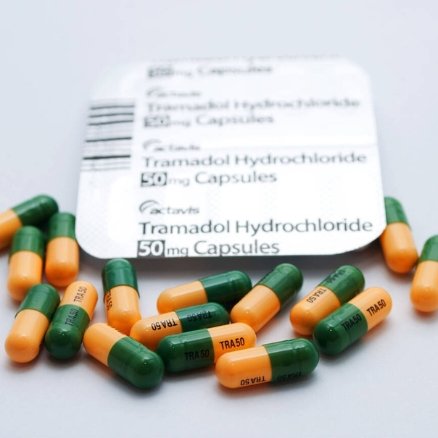
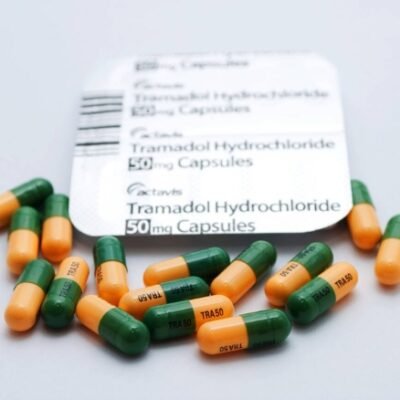
Tramadol is a prescription opioid analgesic (pain-relieving medication) used to treat moderate to moderately severe pain when other pain management options are not appropriate or have not provided adequate relief.
It works by changing how the brain and nervous system process pain signals while also affecting certain neurotransmitters involved in pain perception.
Common strengths include:
- 50 mg tablets or capsules
- 100 mg tablets (often extended-release formulations)
- Extended-release tablets in higher strengths
- Oral drops or oral solution (in some countries)
Because tramadol is an opioid medication, it carries risks of dependence, misuse, addiction, overdose, and potentially life-threatening breathing problems. It should only be used exactly as prescribed.
How Tramadol Works
Tramadol relieves pain through two main mechanisms:
- It binds to opioid receptors in the brain and spinal cord, reducing the perception of pain.
- It increases the activity of the neurotransmitters serotonin and norepinephrine, which help regulate pain signals.
These combined actions make tramadol effective for certain types of acute and chronic pain.
Tramadol Uses
Tramadol may be prescribed for:
Moderate to Moderately Severe Pain
Examples include:
- Pain after surgery.
- Injury-related pain.
- Musculoskeletal pain.
- Certain chronic pain conditions when appropriate.
The decision to prescribe tramadol depends on the cause of pain, the patient’s medical history, and the balance of benefits and risks.
Benefits of Tramadol
When used appropriately under medical supervision, Tramadol may help:
- Reduce moderate to moderately severe pain.
- Improve comfort during recovery from injury or surgery.
- Improve daily functioning when pain is limiting activity.
- Provide pain relief when non-opioid medicines are not suitable or effective.
Tramadol Dosage
The appropriate dose depends on:
- Age.
- Type and severity of pain.
- Kidney and liver function.
- Other medications.
- Previous opioid use.
General guidance:
- Take exactly as prescribed.
- Do not increase the dose or take it more frequently than instructed.
- Swallow extended-release tablets whole; do not crush, chew, or split them unless specifically instructed by your healthcare provider.
How to Take Tramadol
For best results:
- Take with a full glass of water.
- It may be taken with or without food.
- If stomach upset occurs, taking it with food may help.
- Follow the prescribed schedule carefully.
- Avoid alcohol while taking tramadol.
Missed Dose
If you are taking tramadol on a regular schedule:
- Take the missed dose as soon as you remember.
- If it is almost time for the next dose, skip the missed dose.
- Do not take two doses together.
If tramadol is prescribed only as needed for pain, follow your healthcare provider’s instructions.
Common Side Effects
Common side effects may include:
- Nausea.
- Vomiting.
- Constipation.
- Dizziness.
- Drowsiness.
- Headache.
- Dry mouth.
- Sweating.
Serious Side Effects
Seek immediate medical attention if you experience:
- Slow or difficult breathing.
- Extreme drowsiness or inability to wake up.
- Seizures.
- Severe allergic reaction.
- Confusion or hallucinations.
- Fainting.
- Symptoms of serotonin syndrome, such as agitation, fever, muscle rigidity, or rapid heartbeat, particularly when taken with certain antidepressants.
Safety Information
Before taking Tramadol, tell your healthcare provider if you have:
- Breathing problems, such as asthma or COPD.
- Sleep apnea.
- Epilepsy or a history of seizures.
- Liver disease.
- Kidney disease.
- A history of substance use disorder.
- Depression or other mental health conditions.
- Pregnancy or plans to become pregnant.
- Breastfeeding.
Tramadol is not suitable for everyone and should be used with caution because of its potential for serious side effects and dependence.
Drug Interactions
Tramadol may interact with:
- Other opioid medicines.
- Benzodiazepines (such as diazepam or lorazepam).
- Sleeping tablets.
- Certain antidepressants (SSRIs, SNRIs, MAOIs, and tricyclic antidepressants).
- Medicines that increase serotonin levels.
- Certain seizure medications.
- Alcohol and other medicines that cause drowsiness.
These combinations may increase the risk of serious breathing problems, excessive sedation, seizures, or serotonin syndrome.
Always inform your healthcare provider about all prescription medicines, over-the-counter products, vitamins, and herbal supplements you take.
Alcohol and Tramadol
Do not drink alcohol while taking tramadol.
Combining alcohol with tramadol can significantly increase the risk of:
- Dangerous drowsiness.
- Slow or stopped breathing.
- Accidental injury.
- Overdose.
Pregnancy and Breastfeeding
If you are pregnant, planning pregnancy, or breastfeeding:
- Inform your healthcare provider before taking tramadol.
- Long-term opioid use during pregnancy may affect the baby.
- Tramadol is generally not recommended during breastfeeding, as it can pass into breast milk and may cause serious side effects in the infant.
Storage
Store Tramadol tablets or capsules:
- At room temperature.
- Away from moisture and heat.
- In a secure location out of the reach of children and pets.
- Dispose of unused medication safely according to local guidance.
Frequently Asked Questions (FAQs)
What is Tramadol 50 mg or 100 mg used for?
Tramadol is used to treat moderate to moderately severe pain when other treatment options are not suitable or have not provided enough relief.
Is Tramadol an opioid?
Yes. Tramadol is an opioid analgesic, although it also has additional effects on serotonin and norepinephrine.
Can Tramadol cause addiction?
Yes. Tramadol has the potential for misuse, dependence, and addiction, even when taken as prescribed. Use it only as directed by your healthcare provider.
Can I drive while taking Tramadol?
Tramadol may cause drowsiness, dizziness, or impaired concentration. Do not drive or operate machinery until you know how it affects you.
Can Tramadol cause seizures?
Yes. Tramadol may increase the risk of seizures, particularly at higher doses or when combined with certain medications.
Can I take Tramadol with ibuprofen or paracetamol?
In some situations, healthcare providers may recommend combining tramadol with non-opioid pain relievers. Only do so under professional advice, as the safest combination depends on your health and other medications.
Can older adults take Tramadol?
Yes, but older adults may be more sensitive to side effects such as drowsiness, dizziness, confusion, constipation, and breathing problems. Dose adjustments may be required.
What happens if I take too much Tramadol?
An overdose can cause severe drowsiness, slowed or stopped breathing, seizures, pinpoint pupils, loss of consciousness, or death. This is a medical emergency—seek immediate emergency medical attention if an overdose is suspected.
Can I stop taking Tramadol suddenly?
If you have been taking tramadol regularly for an extended period, do not stop it abruptly. Your healthcare provider may recommend gradually reducing the dose to help minimize withdrawal symptoms.
Final Thoughts
Tramadol 50 mg and 100 mg are prescription opioid pain medications used to treat moderate to moderately severe pain. While they can be effective when used appropriately, they also carry important risks, including dependence, misuse, breathing problems, and overdose.
Take Tramadol exactly as prescribed, avoid alcohol and interacting medications unless approved by your healthcare provider, and seek prompt medical attention if you experience severe side effects or signs of overdose.
Medical Disclaimer: This article is for educational and informational purposes only and should not replace professional medical advice, diagnosis, or treatment. Always consult a qualified healthcare professional before starting, stopping, or changing any medication.
| Quantity | 30 Pills, 60 Pills, 120 Pills, 180 Pills, 200 Pills, 250 Pills, 300 Pills, 400 Pills, 500 Pills |
|---|
Be the first to review “Tramadol 100/50mg”
Related products
Drugs
Drugs
Drugs

Drugs

Drugs

Drugs
Drugs

Drugs
Reviews
There are no reviews yet.