
Mirabegron 25 mg: Uses, Dosage, Side Effects, Safety, and Frequently Asked Questions
What Is Mirabegron 25 mg?
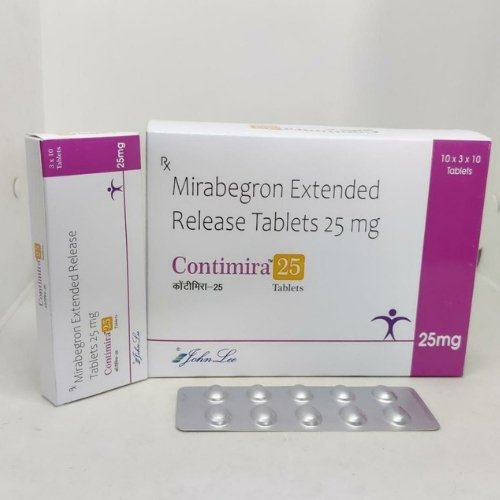
Mirabegron 25 mg is a prescription medication used to treat overactive bladder (OAB) in adults. It belongs to a class of medicines called beta-3 adrenergic receptor agonists.
Mirabegron helps relax the bladder muscle, allowing the bladder to hold more urine and reducing symptoms such as:
- Frequent urination.
- Sudden urge to urinate.
- Urgency urinary incontinence (leaking urine after a strong urge).
It is available in different strengths, including:
- 25 mg
- 50 mg
The 25 mg dose is commonly used as a starting dose or for people who require a lower dose due to certain medical conditions.
How Mirabegron Works
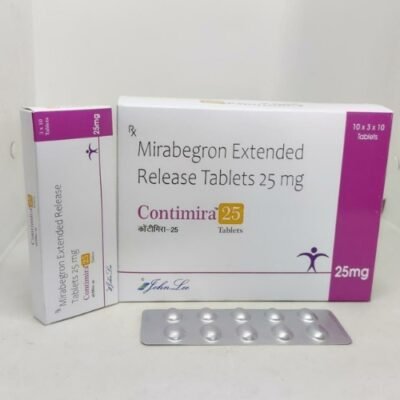
Mirabegron activates beta-3 receptors in the bladder.
This action helps to:
- Relax the bladder muscle during filling.
- Increase bladder capacity.
- Reduce sudden urges to urinate.
- Decrease episodes of urinary leakage.
Unlike anticholinergic medicines, mirabegron generally causes less dry mouth and constipation.
Mirabegron 25 mg Uses
Overactive Bladder (OAB)
Mirabegron is used to manage symptoms of overactive bladder, including:
- Urinary urgency.
- Frequent urination.
- Urge urinary incontinence.
It may be used alone or, in some cases, together with another bladder medication if recommended by a healthcare provider.
Benefits of Mirabegron 25 mg
When taken as prescribed, mirabegron may help:
- Reduce the number of daily bathroom visits.
- Improve bladder control.
- Decrease episodes of urinary leakage.
- Increase the amount of urine the bladder can hold.
- Improve quality of life for people with overactive bladder.
Mirabegron 25 mg Dosage
The appropriate dose depends on:
- Your symptoms.
- Kidney and liver function.
- Other medications you are taking.
- Individual response to treatment.
General guidance:
- Take exactly as prescribed.
- Your healthcare provider may increase the dose if needed and appropriate.
- Do not change your dose without medical advice.
How to Take Mirabegron 25 mg
For best results:
- Take the tablet once daily or as prescribed.
- Swallow the tablet whole with water.
- Do not crush, chew, or split extended-release tablets.
- It may be taken with or without food.
- Take it at the same time each day.
Missed Dose
If you miss a dose:
- Take it as soon as you remember unless it is nearly time for your next dose.
- Skip the missed dose if necessary.
- Do not take two doses at the same time.
Common Side Effects
Common side effects may include:
- Increased blood pressure.
- Headache.
- Nasal congestion.
- Urinary tract infection.
- Constipation.
- Dizziness.
- Fast heartbeat.
Many side effects are mild and improve as treatment continues.
Serious Side Effects
Seek immediate medical attention if you experience:
- Severe allergic reactions.
- Difficulty breathing.
- Swelling of the face, lips, tongue, or throat.
- Inability to urinate (urinary retention).
- Severe chest pain.
- Very fast or irregular heartbeat.
Safety Information
Before taking mirabegron, tell your healthcare provider if you have:
- High blood pressure.
- Heart rhythm problems.
- Kidney disease.
- Liver disease.
- Difficulty emptying your bladder.
- Pregnancy or plans to become pregnant.
- Breastfeeding.
Your blood pressure may be checked regularly during treatment.
Drug Interactions
Mirabegron may interact with:
- Digoxin.
- Certain heart rhythm medicines.
- Some antidepressants.
- Medicines metabolized by the CYP2D6 enzyme.
- Other medicines used to treat overactive bladder.
Always inform your healthcare provider about all prescription medicines, over-the-counter medicines, vitamins, and herbal supplements you take.
Alcohol and Mirabegron
There is no known major interaction between alcohol and mirabegron. However, alcohol may:
- Irritate the bladder.
- Increase urinary urgency and frequency.
- Worsen overactive bladder symptoms.
Limiting alcohol may help improve bladder control.
Pregnancy and Breastfeeding
If you are pregnant, planning pregnancy, or breastfeeding:
- Discuss mirabegron with your healthcare provider.
- The potential benefits and risks should be carefully considered before treatment.
Storage
Store mirabegron tablets:
- At room temperature.
- Away from moisture and direct sunlight.
- In the original packaging.
- Out of reach of children.
Frequently Asked Questions (FAQs)
What is Mirabegron 25 mg used for?
Mirabegron 25 mg is used to treat overactive bladder by reducing urinary urgency, frequent urination, and urge urinary incontinence.
How does mirabegron work?
It relaxes the bladder muscle during filling, allowing the bladder to hold more urine before you feel the need to urinate.
How long does mirabegron take to work?
Some people notice improvement within a few weeks, although maximum benefit may take up to 8 weeks or longer.
Does mirabegron cause dry mouth?
Mirabegron is generally less likely to cause dry mouth than many anticholinergic bladder medicines.
Can mirabegron raise blood pressure?
Yes. Mirabegron can increase blood pressure in some people, so regular monitoring may be recommended.
Can mirabegron be taken long term?
Yes. Many people use mirabegron long term under the supervision of a healthcare provider.
Can I stop mirabegron suddenly?
You can stop mirabegron if advised by your healthcare provider, but symptoms of overactive bladder may return.
Can older adults take mirabegron?
Yes. Mirabegron is commonly prescribed for older adults, although kidney function and blood pressure should be monitored.
Does mirabegron treat urinary tract infections?
No. Mirabegron does not treat urinary tract infections. It treats symptoms of overactive bladder.
What happens if I take too much mirabegron?
An overdose may cause a rapid heartbeat, increased blood pressure, or other symptoms. Seek medical attention immediately if an overdose is suspected.
Final Thoughts
Mirabegron 25 mg is an effective prescription treatment for overactive bladder. By relaxing the bladder muscle, it helps reduce urinary urgency, frequency, and urge incontinence while improving bladder capacity.
For the best results, take mirabegron exactly as prescribed, attend regular follow-up appointments, and inform your healthcare provider of any new symptoms or concerns during treatment.
Medical Disclaimer: This article is for educational and informational purposes only and should not replace professional medical advice, diagnosis, or treatment. Always consult a qualified healthcare professional before starting, stopping, or changing any medication.
| Quantity | 30 Pills, 60 Pills, 120 Pills, 180 Pills, 200 Pills, 250 Pills, 300 Pills, 400 Pills, 500 Pills |
|---|
Be the first to review “Mirabegron 25mg”
Related products

Drugs
Drugs
Drugs
Drugs
Drugs

Drugs

Drugs
Reviews
There are no reviews yet.