
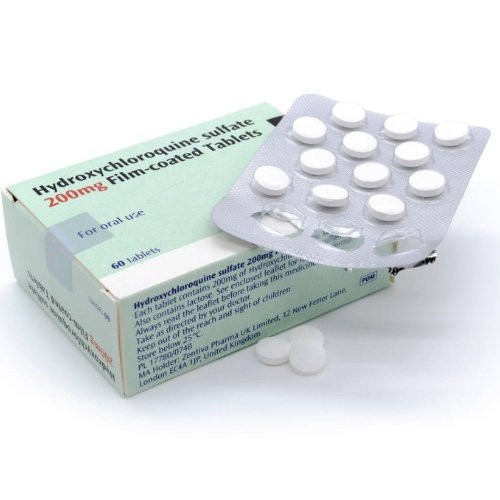
Hydroxychloroquine 200mg


Price range: €120.00 through €820.00
Hydroxychloroquine 200 mg is a well-established prescription medicine used to treat autoimmune diseases such as rheumatoid arthritis and lupus, as well as certain malaria infections. When taken as prescribed and monitored appropriately, it can help reduce inflammation, prevent disease flare-ups, and improve long-term disease control.
Because hydroxychloroquine may affect the eyes, heart, and other organs in some people, regular medical follow-up and eye examinations are important during treatment.
Hydroxychloroquine 200 mg: Uses, Dosage, Side Effects, Safety, and Frequently Asked Questions
What Is Hydroxychloroquine 200 mg?
Hydroxychloroquine 200 mg is a prescription medicine used to treat certain autoimmune diseases and to prevent and treat specific types of malaria. It belongs to a class of medicines known as antimalarial drugs, but it also has important immunomodulatory effects that help reduce inflammation in autoimmune conditions.
Hydroxychloroquine has been used for many years to manage conditions such as rheumatoid arthritis and systemic lupus erythematosus (lupus). It is generally intended for long-term use under the supervision of a healthcare professional.
How Hydroxychloroquine Works
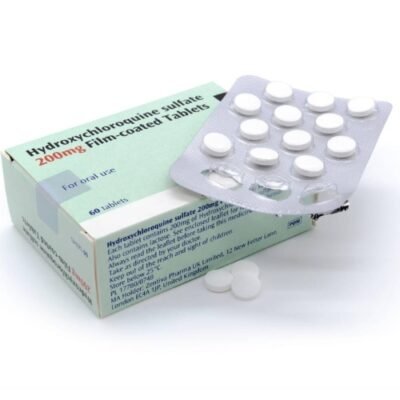
Hydroxychloroquine works in different ways depending on the condition being treated.
It may:
- Interfere with the growth and survival of malaria parasites.
- Help regulate immune system activity.
- Reduce inflammation associated with autoimmune diseases.
- Decrease immune-related tissue damage.
- Help reduce disease flare-ups in certain long-term conditions.
For autoimmune diseases, hydroxychloroquine is not a cure but may help control symptoms and improve quality of life.
Hydroxychloroquine 200 mg Uses
Rheumatoid Arthritis
Hydroxychloroquine may be prescribed to help manage rheumatoid arthritis, where it can:
- Reduce joint pain.
- Improve joint swelling.
- Decrease morning stiffness.
- Help maintain joint function.
It is often used as part of a broader treatment plan.
Systemic Lupus Erythematosus (Lupus)
Hydroxychloroquine is commonly used in the long-term management of lupus to:
- Reduce disease activity.
- Lower the frequency of flare-ups.
- Help protect against certain complications.
- Improve skin and joint symptoms.
Malaria Prevention
Hydroxychloroquine may be prescribed to help prevent malaria in regions where the malaria parasite remains sensitive to the medicine.
Travelers should always follow destination-specific medical advice, as resistance patterns vary worldwide.
Malaria Treatment
Hydroxychloroquine may also be used to treat certain uncomplicated malaria infections when the infecting parasite is known to be susceptible.
Benefits of Hydroxychloroquine 200 mg
When used appropriately, hydroxychloroquine may help:
- Control symptoms of rheumatoid arthritis.
- Reduce lupus flare-ups.
- Improve joint pain and swelling.
- Support long-term disease management.
- Prevent or treat certain malaria infections.
Hydroxychloroquine 200 mg Dosage
The correct dose depends on:
- The condition being treated.
- Body weight.
- Kidney and liver function.
- Other medical conditions.
- Response to treatment.
General guidance:
- Take exactly as prescribed.
- Swallow the tablets with water.
- Taking the medicine with food or milk may help reduce stomach upset.
- Do not change the dose without consulting your healthcare provider.
For long-term treatment, your healthcare provider may periodically review your dosage.
How to Take Hydroxychloroquine 200 mg
For best results:
- Take it at the same time each day.
- Follow your prescribed treatment schedule.
- Continue treatment unless advised otherwise by your healthcare provider.
- Attend regular follow-up appointments and monitoring.
Because hydroxychloroquine may take weeks or months to provide full benefit in autoimmune diseases, it is important to continue treatment as directed.
Missed Dose
If you miss a dose:
- Take it as soon as you remember.
- If it is nearly time for your next dose, skip the missed dose.
- Do not take two doses together to make up for a missed dose.
Common Side Effects
Common side effects may include:
- Nausea.
- Stomach discomfort.
- Diarrhoea.
- Loss of appetite.
- Headache.
- Dizziness.
- Skin rash.
Many side effects improve as the body adjusts to treatment.
Eye-Related Side Effects
Long-term hydroxychloroquine use may affect the retina of the eye in some people.
Possible symptoms include:
- Blurred vision.
- Difficulty focusing.
- Changes in colour vision.
- Blind spots.
Regular eye examinations are recommended during long-term treatment, especially for people with additional risk factors.
Serious Side Effects
Seek medical attention if you experience:
- Sudden vision changes.
- Severe allergic reactions.
- Irregular heartbeat.
- Muscle weakness.
- Severe skin reactions.
- Unusual bruising or bleeding.
- Symptoms of low blood sugar, such as sweating, shakiness, confusion, or fainting.
Although serious side effects are uncommon, early recognition is important.
Safety Information
Before taking hydroxychloroquine, tell your healthcare provider if you have:
- Eye disease or retinal problems.
- Heart rhythm disorders.
- Kidney disease.
- Liver disease.
- Psoriasis.
- Epilepsy or seizures.
- Diabetes.
- A history of allergic reactions to similar medicines.
Your healthcare provider may recommend periodic blood tests and eye examinations during treatment.
Drug Interactions
Hydroxychloroquine may interact with:
- Medicines that affect heart rhythm.
- Certain diabetes medicines.
- Digoxin.
- Antiepileptic medicines.
- Some antibiotics.
- Other medicines that may affect vision.
Always tell your healthcare provider about all prescription medicines, over-the-counter medicines, vitamins, and herbal supplements you take.
Alcohol and Hydroxychloroquine
There is no major direct interaction between hydroxychloroquine and alcohol, but alcohol may increase the risk of liver problems or worsen certain side effects in some individuals.
Discuss alcohol consumption with your healthcare provider if you are receiving long-term treatment.
Pregnancy and Breastfeeding
Hydroxychloroquine may be continued during pregnancy for some autoimmune conditions when the benefits outweigh the risks.
If you are pregnant, planning pregnancy, or breastfeeding, speak with your healthcare provider before starting or stopping this medication.
Storage
Store hydroxychloroquine tablets:
- At room temperature.
- Away from moisture and direct heat.
- In the original packaging.
- Out of reach of children.
Do not use the medicine after its expiry date.
Frequently Asked Questions (FAQs)
What is Hydroxychloroquine 200 mg used for?
Hydroxychloroquine 200 mg is used to treat autoimmune diseases such as rheumatoid arthritis and lupus, and to prevent or treat certain types of malaria.
Is hydroxychloroquine an antibiotic?
No. Hydroxychloroquine is an antimalarial medicine with immune-modulating properties. It is not an antibiotic.
How long does hydroxychloroquine take to work?
For autoimmune conditions, it may take several weeks or even months before the full benefits are seen.
Can hydroxychloroquine affect eyesight?
Yes. Long-term use may affect the retina, so regular eye examinations are recommended.
Should hydroxychloroquine be taken with food?
Taking it with food or milk may help reduce stomach upset.
Can hydroxychloroquine lower blood sugar?
Yes. In some people, hydroxychloroquine can lower blood sugar levels, including in people without diabetes.
Can I stop taking hydroxychloroquine suddenly?
Do not stop taking hydroxychloroquine without consulting your healthcare provider, as your underlying condition may worsen.
Is hydroxychloroquine safe for long-term use?
Many people take hydroxychloroquine safely for years with appropriate medical monitoring, including regular eye examinations.
Can hydroxychloroquine be used for COVID-19?
Hydroxychloroquine is not routinely recommended for the prevention or treatment of COVID-19 based on current clinical evidence and treatment guidelines.
What happens if I take too much hydroxychloroquine?
An overdose can be dangerous and may affect the heart, nervous system, or other organs. Seek emergency medical attention immediately if an overdose is suspected.
Final Thoughts
Hydroxychloroquine 200 mg is a well-established prescription medicine used to treat autoimmune diseases such as rheumatoid arthritis and lupus, as well as certain malaria infections. When taken as prescribed and monitored appropriately, it can help reduce inflammation, prevent disease flare-ups, and improve long-term disease control.
Because hydroxychloroquine may affect the eyes, heart, and other organs in some people, regular medical follow-up and eye examinations are important during treatment.
Medical Disclaimer: This article is for educational and informational purposes only and should not replace professional medical advice, diagnosis, or treatment. Always consult a qualified healthcare professional before starting, stopping, or changing any medication.
| Quantity | 30 Pills, 60 Pills, 120 Pills, 180 Pills, 200 Pills, 250 Pills, 300 Pills, 400 Pills, 500 Pills |
|---|
Be the first to review “Hydroxychloroquine 200mg”
Related products

Drugs
Drugs
Drugs

Drugs

Drugs

Drugs

Drugs

Drugs
Reviews
There are no reviews yet.