
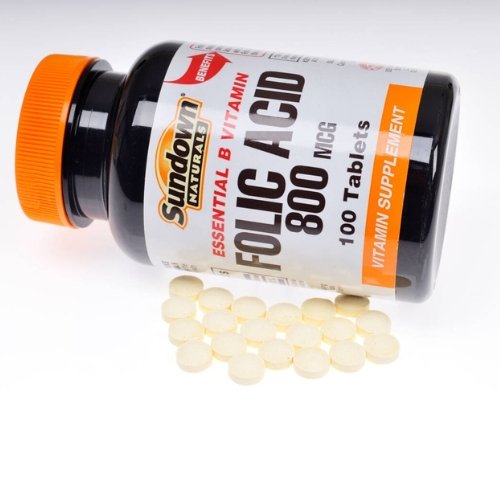
Folic acid 400mg
Price range: €120.00 through €820.00
Folic acid 400 mcg is an important vitamin supplement that supports normal cell growth, DNA production, and healthy red blood cell formation. It is especially important for people planning pregnancy and during early pregnancy because of its role in supporting normal fetal development. When taken at the recommended dose, folic acid is generally safe and well tolerated. Always follow healthcare guidance when using supplements, especially at higher doses.
Folic Acid 400 mcg: Uses, Dosage, Side Effects, Safety, and Frequently Asked Questions
What Is Folic Acid 400 mcg?
Folic acid 400 mcg is a vitamin supplement containing folate (vitamin B9), an essential nutrient required for many important processes in the body. It is especially important for cell growth, DNA production, and the formation of healthy red blood cells.
Folic acid is commonly recommended for people who need additional folate intake, particularly during pregnancy planning and early pregnancy, because adequate folate helps support the normal development of the baby’s nervous system.
Note: Folic acid supplements are usually measured in micrograms (mcg) or milligrams (mg). A dose of 400 mcg equals 0.4 mg. This is different from 400 mg, which is a much larger amount and is not a standard vitamin supplement dose.
How Folic Acid Works
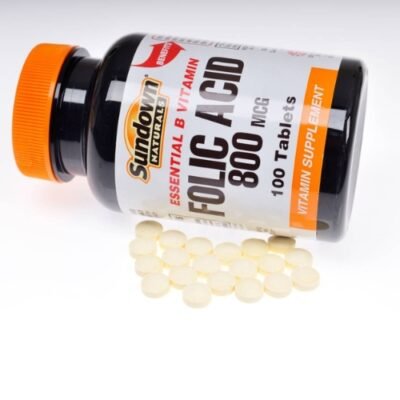
Folic acid is converted in the body into active forms of folate that are needed for:
- DNA production and repair.
- Normal cell division.
- Formation of red blood cells.
- Normal growth and development.
- Production of certain proteins and chemicals in the body.
A lack of folate can interfere with red blood cell production and may lead to folate deficiency anaemia.
Folic Acid 400 mcg Uses
Pregnancy and Pregnancy Planning
Folic acid 400 mcg is widely recommended for people who are trying to conceive and during early pregnancy.
It helps:
- Support normal development of the baby’s nervous system.
- Reduce the risk of neural tube defects when taken before and during early pregnancy.
- Support healthy cell growth.
Healthcare providers may recommend higher doses for some individuals with specific risk factors.
Prevention and Treatment of Folate Deficiency
Folic acid may be used to prevent or treat low folate levels caused by:
- Inadequate dietary intake.
- Certain medical conditions affecting absorption.
- Increased nutritional requirements.
- Some medications that affect folate levels.
Folate Deficiency Anaemia
Folic acid may help treat anaemia caused by insufficient folate by supporting:
- Healthy red blood cell production.
- Improved oxygen transport.
- Restoration of folate levels.
Nutritional Supplementation
Some people may take folic acid as part of a daily vitamin routine to help maintain adequate folate intake.
Benefits of Folic Acid 400 mcg
When taken appropriately, folic acid may help:
- Maintain healthy folate levels.
- Support normal blood cell production.
- Support DNA formation.
- Promote healthy cell growth.
- Support pregnancy-related nutritional needs.
- Prevent folate deficiency.
Folic Acid 400 mcg Dosage
The recommended dose depends on the reason for use.
General guidance:
- Take exactly as recommended.
- Many adults take 400 mcg (0.4 mg) once daily for general supplementation and pregnancy planning.
- Some people may require different doses based on medical advice.
Do not take high-dose folic acid supplements without guidance from a healthcare professional.
How to Take Folic Acid
For best results:
- Take the tablet with water.
- It may be taken with or without food.
- Take it regularly if prescribed or recommended.
- Follow your healthcare provider’s instructions.
Missed Dose
If you miss a dose:
- Take it when you remember.
- Skip it if it is close to your next scheduled dose.
- Do not take extra doses to make up for a missed tablet.
Common Side Effects
Folic acid is generally well tolerated.
Possible side effects may include:
- Nausea
- Bloating
- Loss of appetite
- Stomach discomfort
- Unpleasant taste
Most people do not experience significant side effects at recommended doses.
Serious Side Effects
Serious side effects are uncommon but seek medical advice if you experience:
- Signs of an allergic reaction.
- Severe skin rash.
- Swelling of the face, lips, tongue, or throat.
- Difficulty breathing.
Safety Information
Before taking folic acid, tell your healthcare provider if you have:
- Vitamin B12 deficiency.
- Pernicious anaemia.
- A history of folate-related medical conditions.
- Any long-term medical conditions.
High doses of folic acid may improve blood test results while allowing an underlying vitamin B12 deficiency to continue untreated, which is why appropriate medical assessment is important.
Drug Interactions
Folic acid may interact with some medicines, including:
- Methotrexate.
- Certain anti-seizure medicines.
- Some medicines that affect folate metabolism.
Always inform your healthcare provider about all medicines, vitamins, and supplements you take.
Pregnancy and Breastfeeding
Folic acid is especially important before and during pregnancy.
It is commonly recommended for:
- People planning pregnancy.
- Early pregnancy.
- Breastfeeding when additional folate support is needed.
Always follow your healthcare provider’s recommendations regarding dose and duration.
Storage
Store folic acid:
- At room temperature.
- Away from heat and moisture.
- In the original packaging.
- Out of reach of children.
Do not use after the expiry date.
Frequently Asked Questions (FAQs)
What is folic acid 400 mcg used for?
Folic acid 400 mcg is used to support folate levels, prevent deficiency, support healthy red blood cell production, and provide nutritional support before and during pregnancy.
Is 400 mcg the same as 400 mg?
No. 400 mcg equals 0.4 mg. A dose of 400 mg is much higher and is not the usual supplement strength.
Why is folic acid important during pregnancy?
Folic acid helps support normal development of the baby’s nervous system, especially during the early stages of pregnancy.
Can men take folic acid?
Yes. Folic acid is an essential nutrient for everyone and may be used when additional folate intake is needed.
Can folic acid treat anaemia?
Yes, if the anaemia is caused by folate deficiency. Other types of anaemia may require different treatments.
How long does folic acid take to work?
The time varies depending on why it is being taken and the severity of deficiency.
Can folic acid be taken with food?
Yes. Folic acid can usually be taken with or without food.
Can folic acid cause weight gain?
Weight gain is not a common effect of folic acid supplementation.
Can I take folic acid with other vitamins?
Yes, folic acid is commonly included in multivitamins and prenatal supplements. Check the total amount of folate from all supplements.
What happens if I take too much folic acid?
Taking very high doses may cause side effects and can mask vitamin B12 deficiency. Seek medical advice if excessive intake occurs.
Final Thoughts
Folic acid 400 mcg is an important vitamin supplement that supports normal cell growth, DNA production, and healthy red blood cell formation. It is especially important for people planning pregnancy and during early pregnancy because of its role in supporting normal fetal development. When taken at the recommended dose, folic acid is generally safe and well tolerated. Always follow healthcare guidance when using supplements, especially at higher doses.
Medical Disclaimer: This article is for educational and informational purposes only and should not replace professional medical advice, diagnosis, or treatment. Always consult a qualified healthcare professional before starting, stopping, or changing any medication or supplement.
| Quantity | 30 Pills, 60 Pills, 120 Pills, 180 Pills, 200 Pills, 250 Pills, 300 Pills, 400 Pills, 500 Pills |
|---|
Be the first to review “Folic acid 400mg”
Related products
Drugs
Drugs
Drugs
Drugs
Drugs
Drugs

Drugs
Reviews
There are no reviews yet.