
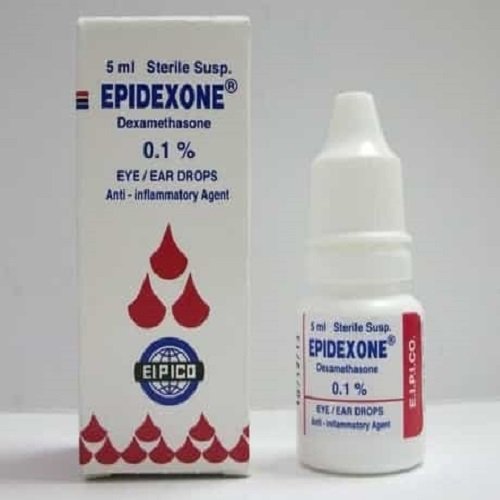
Dexamethasone eye drops
€35.00
Dexamethasone eye drops are effective anti-inflammatory medicines used to reduce swelling, redness, and irritation caused by certain eye conditions. Because steroid eye drops can have important risks if used incorrectly, they should always be used according to medical advice. Regular monitoring may be needed during longer treatments to help ensure safe and effective use.
Dexamethasone Eye Drops: Uses, Dosage, Side Effects, Safety, and Frequently Asked Questions
What Are Dexamethasone Eye Drops?
Dexamethasone eye drops are prescription eye medicines containing dexamethasone, a corticosteroid (steroid) used to reduce inflammation and swelling in the eye.
They are commonly prescribed for inflammatory eye conditions, allergic reactions, and after certain eye procedures or injuries where reducing inflammation is important.
Dexamethasone eye drops work by calming the body’s immune response and reducing the release of substances that cause redness, swelling, irritation, and discomfort.
Because steroid eye drops can sometimes worsen certain eye infections or increase eye pressure, they should only be used under the guidance of an eye specialist or healthcare professional.
How Dexamethasone Eye Drops Work
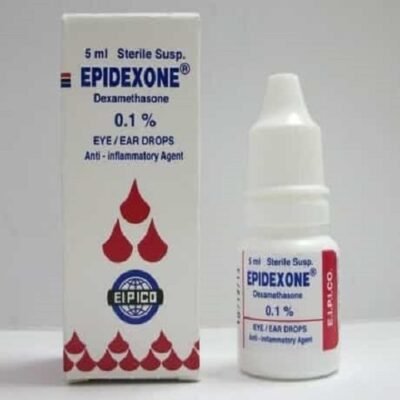
Dexamethasone is a corticosteroid that reduces inflammation by acting on immune system pathways in the eye.
It helps by:
- Reducing inflammation and swelling.
- Decreasing redness and irritation.
- Lowering immune activity that contributes to eye discomfort.
- Reducing allergic and inflammatory responses.
Unlike antibiotic eye drops, dexamethasone does not kill bacteria, viruses, or fungi. It is used mainly for inflammation control.
Dexamethasone Eye Drops Uses
Dexamethasone eye drops may be prescribed for:
Eye Inflammation
They may help treat inflammation caused by:
- Eye injuries
- Eye surgery
- Certain inflammatory eye conditions
- Irritation affecting the outer or inner parts of the eye
Allergic Eye Conditions
Dexamethasone may reduce symptoms associated with severe eye allergies, including:
- Redness
- Swelling
- Irritation
- Discomfort
Post-Surgical Eye Care
Eye specialists may prescribe steroid eye drops after some procedures to:
- Reduce inflammation
- Support healing
- Improve comfort during recovery
Other Inflammatory Eye Disorders
Depending on the diagnosis, dexamethasone eye drops may be used as part of treatment for certain inflammatory eye diseases under specialist supervision.
Benefits of Dexamethasone Eye Drops
When used appropriately, dexamethasone eye drops may help:
- Reduce eye inflammation
- Relieve redness and swelling
- Improve eye comfort
- Reduce irritation caused by inflammatory conditions
- Support recovery after certain eye procedures
The benefits depend on the cause of inflammation and correct diagnosis.
Dexamethasone Eye Drops Dosage
The dosage depends on:
- The condition being treated
- Severity of inflammation
- Response to treatment
- Whether the drops are being used after surgery
- The advice of an eye specialist
General guidance:
- Use exactly as prescribed.
- Do not use more drops or use them for longer than recommended.
- Follow the treatment schedule carefully.
- Do not stop suddenly if your doctor has advised a gradual reduction.
Long-term or unnecessary use may increase the risk of complications.
How to Use Dexamethasone Eye Drops
For correct application:
- Wash your hands before using the drops.
- Shake the bottle if instructed on the product label.
- Tilt your head back and gently pull down the lower eyelid.
- Place the prescribed number of drops into the eye.
- Avoid touching the dropper tip against your eye or skin.
- Close your eye gently after applying the drop.
- Wash your hands after use.
If you use more than one type of eye drop, ask your healthcare provider how long to wait between medicines.
Missed Dose
If you miss a dose:
- Apply it when you remember.
- Skip the missed dose if it is almost time for your next scheduled dose.
- Do not use extra drops to make up for a missed dose.
Continue using the drops according to the prescribed schedule.
Common Side Effects
Some people may experience side effects, including:
- Temporary blurred vision after applying drops
- Mild eye irritation
- Burning or stinging sensation
- Increased watering
- Unpleasant taste in the mouth
These effects are often temporary.
Serious Side Effects
Seek medical advice if you experience:
- Eye pain that worsens
- Changes in vision
- Severe redness or swelling
- Signs of an eye infection
- Increased sensitivity to light
- Persistent irritation
Long-term use of steroid eye drops may increase the risk of:
- Raised eye pressure (glaucoma)
- Cataract formation
- Delayed healing
- Worsening of certain eye infections
Safety Information
Before using dexamethasone eye drops, tell your healthcare provider if you have:
- A current eye infection
- A history of glaucoma
- Cataracts
- Recent eye surgery
- Eye injuries
- Herpes infection of the eye
- Other eye conditions
Your eye pressure may need monitoring if treatment continues for an extended period.
Drug Interactions
Dexamethasone eye drops generally have limited whole-body absorption, but interactions may still be relevant when combined with other treatments.
Tell your healthcare provider about:
- Other eye drops or ointments
- Steroid medicines
- Immune-suppressing medicines
- Any recent eye treatments
Always provide a complete list of medicines and supplements you use.
Contact Lenses
If you wear contact lenses:
- Follow your healthcare provider’s advice before using steroid eye drops.
- Some formulations may require removing lenses before application.
- Wait the recommended time before replacing lenses.
Pregnancy and Breastfeeding
If you are pregnant, planning pregnancy, or breastfeeding, tell your healthcare provider before using dexamethasone eye drops.
Your doctor will consider the benefits and potential risks before recommending treatment.
Storage
Store dexamethasone eye drops:
- According to the instructions on the packaging.
- Away from excessive heat and direct sunlight.
- With the cap securely closed.
- Out of reach of children.
Do not use eye drops after the expiry date or if the solution appears contaminated.
Frequently Asked Questions (FAQs)
What are dexamethasone eye drops used for?
Dexamethasone eye drops are used to reduce inflammation, swelling, redness, and irritation caused by certain eye conditions or after some eye procedures.
Are dexamethasone eye drops antibiotics?
No. Dexamethasone is a steroid medicine. It reduces inflammation but does not treat bacterial, viral, or fungal infections.
How quickly do dexamethasone eye drops work?
Some people notice improvement within a short time, but the response depends on the severity and cause of the eye inflammation.
Can dexamethasone eye drops be used for red eyes?
They may help some causes of red eyes, but they should not be used for unexplained redness without medical advice because some infections can become worse with steroid treatment.
Can I use dexamethasone eye drops for a long time?
Long-term use should only be done under medical supervision because it may increase the risk of eye pressure problems, cataracts, and infections.
Can dexamethasone eye drops cause blurred vision?
Yes. Temporary blurred vision may occur immediately after applying the drops.
Can children use dexamethasone eye drops?
Children may use them when prescribed by a healthcare professional. The dose and duration depend on the child’s condition.
Should I stop dexamethasone eye drops suddenly?
Follow your doctor’s instructions. Some longer courses may require gradual reduction rather than sudden stopping.
Can dexamethasone eye drops treat eye infections?
They do not treat infections directly and may worsen some infections. They should only be used when a healthcare professional has confirmed they are appropriate.
Do I need eye checks while using dexamethasone drops?
If used for longer periods, your healthcare provider may monitor eye pressure and overall eye health.
Final Thoughts
Dexamethasone eye drops are effective anti-inflammatory medicines used to reduce swelling, redness, and irritation caused by certain eye conditions. Because steroid eye drops can have important risks if used incorrectly, they should always be used according to medical advice. Regular monitoring may be needed during longer treatments to help ensure safe and effective use.
Medical Disclaimer: This article is for educational and informational purposes only and should not replace professional medical advice, diagnosis, or treatment. Always consult a qualified healthcare professional before starting, stopping, or changing any medication.
Be the first to review “Dexamethasone eye drops”
Related products
Drugs
Drugs
Drugs
Drugs

Drugs
Drugs
Drugs
Reviews
There are no reviews yet.