

Colecalciferol

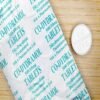
Price range: €120.00 through €820.00
Colecalciferol (vitamin D3) is an effective treatment for preventing and correcting vitamin D deficiency while supporting healthy bones, muscles, and calcium balance. When taken as directed, it is generally safe and well tolerated. Because excessive vitamin D intake can be harmful, it is important to follow the prescribed or recommended dosage and attend any necessary follow-up appointments or blood tests. If you have concerns about your vitamin D levels or supplementation, speak with your healthcare provider for individualized advice.
Colecalciferol: Uses, Dosage, Side Effects, Safety, and Frequently Asked Questions
What Is Colecalciferol?
Colecalciferol, also known as vitamin D3, is a medicine and dietary supplement used to prevent and treat vitamin D deficiency. Vitamin D is an essential nutrient that helps the body absorb calcium and phosphorus, which are needed for healthy bones, teeth, and muscles.
When vitamin D levels are too low, bones can become weak, soft, or brittle. Colecalciferol helps restore normal vitamin D levels and supports healthy bone development and maintenance. It is commonly prescribed for people at risk of vitamin D deficiency, including older adults, individuals with limited sun exposure, and people with certain medical conditions that affect vitamin D absorption.
Colecalciferol may also be recommended alongside calcium supplements or other treatments for bone disorders when appropriate.
How Colecalciferol Works

Vitamin D3 plays a vital role in maintaining normal calcium and phosphate levels in the body.
Colecalciferol works by:
- Increasing calcium absorption from the intestine.
- Helping regulate calcium and phosphate levels in the blood.
- Supporting normal bone mineralization.
- Promoting healthy muscle function.
- Contributing to normal immune system function.
Once absorbed, colecalciferol is converted by the liver and kidneys into its active form, which helps regulate calcium balance throughout the body.
Colecalciferol Uses
Healthcare professionals may prescribe colecalciferol for a variety of conditions related to vitamin D deficiency and bone health.
Common uses include:
- Treating vitamin D deficiency
- Preventing vitamin D deficiency
- Supporting bone health
- Treating or preventing Osteoporosis alongside other therapies
- Treating Osteomalacia caused by vitamin D deficiency
- Helping manage Rickets caused by vitamin D deficiency
- Supporting calcium absorption
- Helping maintain healthy muscle function
- Supporting older adults at risk of deficiency
- Supplementing individuals with limited sun exposure
Your healthcare provider will determine whether supplementation is appropriate based on your vitamin D levels and overall health.
Benefits of Colecalciferol
When taken as directed, colecalciferol may provide several important health benefits, including:
- Restoring normal vitamin D levels
- Strengthening bones
- Improving calcium absorption
- Supporting healthy teeth
- Helping maintain muscle strength
- Reducing the risk of bone complications related to vitamin D deficiency
- Supporting normal immune function
- Helping reduce the risk of falls associated with vitamin D deficiency in some older adults
The benefits are greatest when deficiency is confirmed or when supplementation is medically indicated.
Available Forms
Colecalciferol is available in several formulations, including:
- Tablets
- Capsules
- Oral drops
- Oral solution
- Liquid preparations
- High-strength prescription capsules or tablets
The strength prescribed depends on whether the medicine is being used to prevent deficiency or to treat an existing deficiency.
Colecalciferol Dosage
The appropriate dosage varies depending on:
- Age
- Vitamin D blood levels
- Severity of deficiency
- Medical conditions
- Kidney function
- Pregnancy or breastfeeding status
- Whether the medicine is being used for prevention or treatment
General guidance includes:
- Take exactly as prescribed or according to the product label.
- Do not exceed the recommended dose without medical advice.
- High-dose vitamin D should only be taken under healthcare supervision.
- Blood tests may be performed during treatment to monitor vitamin D and calcium levels.
How to Take Colecalciferol
For best results:
- Take the medicine exactly as directed.
- It can generally be taken with or without food, although taking it with a meal that contains some fat may improve absorption.
- Swallow tablets or capsules with water unless instructed otherwise.
- Measure liquid preparations carefully using the supplied measuring device.
- Continue treatment for the full recommended course, even if symptoms improve.
Missed Dose
If you miss a dose:
- Take it when you remember unless it is almost time for your next scheduled dose.
- Skip the missed dose if your next dose is due soon.
- Do not take a double dose to make up for a missed dose.
If you regularly forget doses, speak with your healthcare provider about ways to help you remember.
Common Side Effects
Colecalciferol is generally well tolerated when taken at recommended doses.
Common side effects are uncommon but may include:
- Mild stomach discomfort
- Constipation
- Nausea
- Dry mouth
- Headache
Many people experience no side effects when taking the medicine as directed.
Serious Side Effects
Taking excessive amounts of vitamin D can lead to high calcium levels (hypercalcaemia), which may cause serious health problems.
Seek medical attention if you develop symptoms such as:
- Persistent nausea or vomiting
- Severe constipation
- Excessive thirst
- Frequent urination
- Muscle weakness
- Confusion
- Irregular heartbeat
- Bone pain
- Kidney stones
Long-term excessive intake of vitamin D may damage the kidneys and other organs.
Safety Information
Before taking colecalciferol, tell your healthcare provider if you have:
- Kidney disease
- Kidney stones
- High calcium levels
- High vitamin D levels
- Certain hormone disorders
- Conditions affecting calcium metabolism
- Sarcoidosis or other granulomatous diseases
People with these conditions may require closer monitoring during treatment.
Drug Interactions
Colecalciferol may interact with several medicines, including:
- Certain medicines used to treat epilepsy
- Corticosteroids
- Orlistat
- Cholestyramine
- Some diuretics (water tablets)
- Digoxin
- Calcium supplements
Always tell your healthcare provider about all prescription medicines, over-the-counter products, vitamins, and herbal supplements you take.
Pregnancy and Breastfeeding
Colecalciferol is often recommended during pregnancy and breastfeeding when vitamin D intake is inadequate or deficiency is present. However, the dose should be appropriate for the individual’s needs and taken according to the advice of a healthcare professional.
Do not take high-dose vitamin D supplements during pregnancy unless specifically prescribed.
Storage
Store colecalciferol:
- At room temperature.
- Away from direct sunlight and moisture.
- In its original packaging.
- Out of the reach of children.
Always check the expiry date before use.
Frequently Asked Questions (FAQs)
What is colecalciferol used for?
Colecalciferol is used to prevent and treat vitamin D deficiency and to support healthy bones, muscles, and calcium absorption.
Is colecalciferol the same as vitamin D3?
Yes. Colecalciferol is the medical name for vitamin D3.
How long does it take for colecalciferol to work?
Vitamin D levels usually begin to improve over several weeks, although the exact time depends on the severity of the deficiency and the prescribed dose. Your healthcare provider may repeat blood tests to monitor your progress.
Can I take colecalciferol every day?
Many people take daily vitamin D supplements safely. However, the correct dose depends on your age, health, and vitamin D levels. Always follow the recommended dose.
Can I take calcium with colecalciferol?
Yes. Calcium and colecalciferol are often prescribed together to support bone health, but they should only be taken according to healthcare advice.
Can I take too much vitamin D?
Yes. Taking excessive amounts of vitamin D can cause high calcium levels, which may lead to kidney stones, kidney damage, and other serious health problems.
Does colecalciferol have side effects?
Most people tolerate colecalciferol well at recommended doses. Side effects are uncommon but are more likely if very high doses are taken.
Can I get enough vitamin D from sunlight?
Sunlight helps the skin produce vitamin D, but many people do not make enough because of limited sun exposure, darker skin pigmentation, sunscreen use, seasonal changes, or certain medical conditions. Supplementation may be recommended when needed.
Do I need blood tests while taking colecalciferol?
People taking high-dose vitamin D or those with certain medical conditions may need blood tests to monitor vitamin D and calcium levels.
Can children take colecalciferol?
Yes. Colecalciferol may be prescribed for infants, children, and adolescents when appropriate. The correct dose depends on age, weight, and medical need, and should be determined by a healthcare professional.
Final Thoughts
Colecalciferol (vitamin D3) is an effective treatment for preventing and correcting vitamin D deficiency while supporting healthy bones, muscles, and calcium balance. When taken as directed, it is generally safe and well tolerated. Because excessive vitamin D intake can be harmful, it is important to follow the prescribed or recommended dosage and attend any necessary follow-up appointments or blood tests. If you have concerns about your vitamin D levels or supplementation, speak with your healthcare provider for individualized advice.
Medical Disclaimer: This article is intended for educational and informational purposes only. It should not be used as a substitute for professional medical advice, diagnosis, or treatment. Always consult a qualified healthcare professional before starting, stopping, or changing any medication or supplement.
| Quantity | 30 Pills, 60 Pills, 120 Pills, 180 Pills, 200 Pills, 250 Pills, 300 Pills, 400 Pills, 500 Pills |
|---|
Be the first to review “Colecalciferol”
Related products
Drugs
Drugs

Drugs
Drugs
Drugs
Drugs
Drugs
Reviews
There are no reviews yet.