
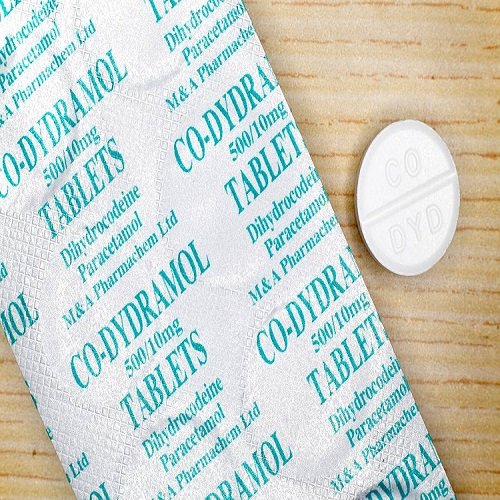
Co-dydramol 10/500mg


Price range: €120.00 through €820.00
Co-dydramol 10/500 mg is an effective combination pain medicine that can help relieve moderate pain when simpler treatments are not sufficient. Its combination of paracetamol and dihydrocodeine provides enhanced pain relief, but it should be used responsibly due to the opioid component. Following the prescribed dosage, avoiding duplicate paracetamol products, and attending regular medical reviews if long-term treatment is needed can help maximize benefits while reducing risks.
Co-dydramol 10/500 mg: Uses, Dosage, Side Effects, Safety, and Frequently Asked Questions
What Is Co-dydramol 10/500 mg?
Co-dydramol 10/500 mg is a combination prescription pain-relieving medicine used to treat mild to moderate pain when simpler painkillers, such as paracetamol alone or non-steroidal anti-inflammatory drugs (NSAIDs), have not provided adequate relief or are not suitable.
Each tablet contains:
- Dihydrocodeine tartrate 10 mg – an opioid analgesic that helps reduce the perception of pain.
- Paracetamol 500 mg – a pain reliever and fever reducer that works by reducing pain signals in the brain.
By combining these two active ingredients, Co-dydramol provides stronger pain relief than paracetamol alone. Because it contains an opioid, it should be taken exactly as prescribed and generally for the shortest duration needed to control pain.
How Co-dydramol 10/500 mg Works
The two ingredients work together to provide pain relief through different mechanisms.
Dihydrocodeine
Dihydrocodeine is an opioid medicine that acts on opioid receptors in the brain and spinal cord to reduce the perception of pain.
Paracetamol
Paracetamol helps relieve pain and reduce fever by acting on the central nervous system.
Together, these medicines provide effective relief for many types of acute and chronic pain when used under medical supervision.
Co-dydramol 10/500 mg Uses
Healthcare professionals may prescribe Co-dydramol for adults experiencing moderate pain that requires a combination analgesic.
Common uses include:
- Back pain
- Osteoarthritis pain
- Joint pain
- Muscle pain
- Dental pain
- Pain after dental procedures
- Pain after surgery
- Sprains and strains
- Bone pain
- Soft tissue injuries
- Pain following fractures
- Pain associated with certain long-term conditions when appropriate
Treatment should always be tailored to the individual’s condition and medical history.
Benefits of Co-dydramol 10/500 mg
When used correctly, Co-dydramol may offer several benefits, including:
- Effective relief of moderate pain
- Improved mobility
- Better sleep disrupted by pain
- Reduced discomfort after injury or surgery
- Improved ability to perform daily activities
- Convenient combination of two pain-relieving medicines in one tablet
Response to treatment varies between individuals.
Available Form
Co-dydramol is commonly available as tablets containing:
- Dihydrocodeine tartrate 10 mg
- Paracetamol 500 mg
Some countries may have additional strengths or formulations.
Co-dydramol 10/500 mg Dosage
The correct dosage depends on:
- Age
- Severity of pain
- Medical history
- Liver and kidney function
- Other medicines being taken
- Response to treatment
General guidance:
- Take exactly as prescribed by your healthcare provider.
- Use the lowest effective dose for the shortest time necessary.
- Do not exceed the prescribed dose.
- Avoid taking other medicines containing paracetamol unless specifically advised by a healthcare professional.
If your pain continues despite treatment, seek medical advice instead of increasing your dose.
How to Take Co-dydramol
For best results:
- Swallow the tablets whole with water.
- Take doses at evenly spaced intervals according to your prescription.
- You may take the medicine with or without food. Taking it with food may help reduce stomach upset if it occurs.
- Continue treatment only for as long as recommended by your healthcare provider.
Missed Dose
If you miss a dose:
- Take it when you remember if it is still appropriate based on your dosing schedule.
- Skip the missed dose if it is nearly time for your next dose.
- Do not take two doses together to make up for a missed dose.
Common Side Effects
Like all medicines, Co-dydramol can cause side effects, although not everyone experiences them.
Common side effects include:
- Drowsiness
- Dizziness
- Constipation
- Nausea
- Vomiting
- Dry mouth
- Headache
- Sweating
- Mild stomach discomfort
- Feeling light-headed
Many of these side effects lessen as your body adjusts to the medication.
Serious Side Effects
Seek urgent medical attention if you experience:
- Difficulty breathing
- Severe allergic reaction
- Swelling of the face, lips, tongue, or throat
- Severe skin rash
- Extreme drowsiness or difficulty waking
- Confusion
- Seizures
- Yellowing of the skin or eyes
- Persistent vomiting
- Signs of a paracetamol overdose or liver injury
An overdose of paracetamol requires immediate medical assessment, even if you initially feel well.
Dependence and Tolerance
Because Co-dydramol contains dihydrocodeine, prolonged use may lead to:
- Physical dependence
- Tolerance (reduced effectiveness over time)
- Withdrawal symptoms if stopped suddenly after long-term use
Use the medicine only as prescribed and discuss any concerns with your healthcare provider before making changes to your treatment.
Safety Information
Tell your healthcare provider before taking Co-dydramol if you have:
- Liver disease
- Kidney disease
- Asthma
- Chronic obstructive pulmonary disease (COPD)
- Sleep apnoea
- Head injury
- Low blood pressure
- Gallbladder disease
- Thyroid disorders
- History of substance misuse
Older adults may be more sensitive to opioid-related side effects, including drowsiness and falls.
Drug Interactions
Co-dydramol may interact with several medicines, including:
- Other opioid pain medicines
- Sleeping tablets
- Anti-anxiety medicines
- Certain antidepressants
- Antipsychotic medicines
- Alcohol
- Medicines that cause drowsiness
- Other products containing paracetamol
Always tell your healthcare provider about every medicine, supplement, and herbal product you use.
Alcohol and Driving
Avoid drinking alcohol while taking Co-dydramol because it can increase the risk of excessive drowsiness, impaired coordination, and dangerous breathing problems.
Do not drive, cycle, or operate machinery if the medicine affects your alertness or concentration.
Pregnancy and Breastfeeding
If you are pregnant, planning a pregnancy, or breastfeeding, speak with your healthcare provider before taking Co-dydramol.
Opioid medicines are generally used with caution during pregnancy and are not always suitable while breastfeeding, as they may affect the baby. Your healthcare provider will determine the safest treatment based on your individual circumstances.
Storage
Store Co-dydramol:
- At room temperature.
- Away from heat, moisture, and direct sunlight.
- In its original packaging.
- Out of the reach of children and pets.
Because it contains an opioid, keep it in a secure place to reduce the risk of accidental ingestion or misuse.
Frequently Asked Questions (FAQs)
What is Co-dydramol 10/500 mg used for?
Co-dydramol is used to treat mild to moderate pain when simpler pain medicines are not effective enough or are unsuitable.
Is Co-dydramol stronger than paracetamol?
Yes. Because it combines paracetamol with the opioid dihydrocodeine, it generally provides stronger pain relief than paracetamol alone.
Can I take Co-dydramol with paracetamol?
No, unless specifically instructed by a healthcare professional. Co-dydramol already contains paracetamol, and taking additional paracetamol can increase the risk of serious liver damage.
Can I drink alcohol while taking Co-dydramol?
It is generally recommended to avoid alcohol because it can increase drowsiness and the risk of breathing problems.
Does Co-dydramol cause constipation?
Yes. Constipation is a common side effect of opioid medicines. Drinking plenty of fluids, eating fibre-rich foods, and staying physically active may help reduce this risk.
Can Co-dydramol make me sleepy?
Yes. Drowsiness and dizziness are common side effects. Avoid driving or operating machinery if you are affected.
Can I take Co-dydramol for a long time?
Long-term use should only occur under medical supervision because prolonged use may lead to dependence, tolerance, and withdrawal symptoms.
What should I do if I miss a dose?
Take it when you remember unless it is nearly time for your next dose. Do not take two doses together.
What should I do if I accidentally take too much?
Seek emergency medical attention immediately. An overdose of paracetamol can cause serious liver damage, while too much dihydrocodeine can lead to dangerous breathing problems and excessive sedation.
Is Co-dydramol addictive?
Because it contains dihydrocodeine, there is a risk of dependence if it is used regularly or for prolonged periods. Always use it exactly as prescribed.
Final Thoughts
Co-dydramol 10/500 mg is an effective combination pain medicine that can help relieve moderate pain when simpler treatments are not sufficient. Its combination of paracetamol and dihydrocodeine provides enhanced pain relief, but it should be used responsibly due to the opioid component. Following the prescribed dosage, avoiding duplicate paracetamol products, and attending regular medical reviews if long-term treatment is needed can help maximize benefits while reducing risks.
Medical Disclaimer: This article is for educational and informational purposes only and should not replace professional medical advice, diagnosis, or treatment. Always consult a qualified healthcare professional before starting, stopping, or changing any medication, and follow the instructions supplied with your prescription.
| Quantity | 30 Pills, 60 Pills, 120 Pills, 180 Pills, 200 Pills, 250 Pills, 300 Pills, 400 Pills, 500 Pills |
|---|
Be the first to review “Co-dydramol 10/500mg”
Related products

Drugs
Drugs

Drugs

Drugs

Drugs
Drugs

Drugs
Drugs
Reviews
There are no reviews yet.