
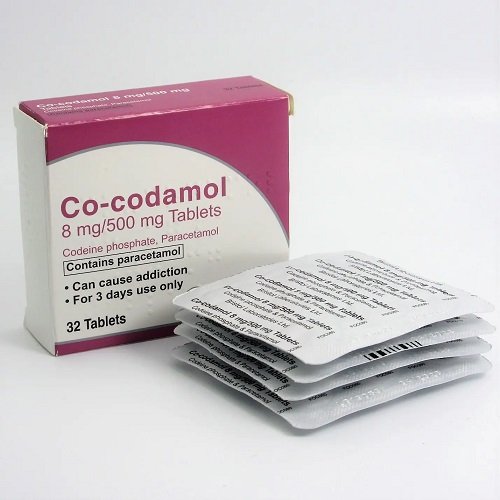
Co-codamol for children

Price range: €120.00 through €820.00
Co-codamol can provide effective short-term pain relief in carefully selected children and adolescents, but because it contains codeine, it is not appropriate for many young patients. Parents and caregivers should use it only when advised by a qualified healthcare professional and should follow the prescribed instructions carefully. Monitoring for signs of excessive drowsiness or breathing problems is especially important. If pain persists or any concerning symptoms develop, seek medical advice promptly.
Co-codamol for Children: Uses, Dosage, Side Effects, Safety, and Frequently Asked Questions
What Is Co-codamol for Children?
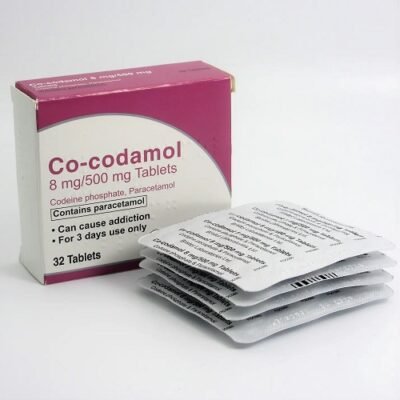
Co-codamol is a combination pain-relieving medicine that contains paracetamol and codeine phosphate. It is used to treat short-term moderate pain when simpler pain medicines, such as paracetamol or ibuprofen alone, have not provided enough relief.
Unlike paracetamol, Co-codamol contains codeine, an opioid medicine. Because codeine can cause serious breathing problems in some children, its use is restricted and it is not suitable for many children. In many countries, healthcare authorities advise that codeine should not be used in children under 12 years of age. In addition, it is not recommended for children and adolescents under 18 years after surgery to remove the tonsils or adenoids for obstructive sleep apnoea, due to the risk of severe breathing complications.
Co-codamol should only be given to a child if it has been recommended by a qualified healthcare professional or used according to the approved product information in your country.
How Co-codamol Works
Co-codamol combines two medicines that work together to relieve pain:
- Paracetamol helps reduce pain and fever by acting on pain pathways in the brain.
- Codeine is converted into morphine by the body in some people and works on opioid receptors to reduce the sensation of pain.
Some children metabolize codeine much faster than others, which can lead to dangerously high levels of morphine in the body. This is why careful medical guidance is essential.
Co-codamol Uses
When prescribed appropriately, Co-codamol may be used for short-term treatment of moderate pain in selected children or adolescents.
Examples include:
- Pain after minor injuries
- Dental pain
- Pain after certain medical or dental procedures
- Musculoskeletal pain
- Pain that has not responded to paracetamol or ibuprofen alone
It is not intended for long-term pain management.
Benefits of Co-codamol
When used safely and appropriately under medical supervision, Co-codamol may:
- Provide stronger pain relief than paracetamol alone
- Help relieve moderate short-term pain
- Improve comfort during recovery from injury or procedures
- Support return to normal daily activities
The benefits must always be balanced against the potential risks of codeine in children.
Who Should Not Take Co-codamol?
Co-codamol should not be used in:
- Children under 12 years of age
- Children who have breathing difficulties
- Children after tonsil or adenoid removal for obstructive sleep apnoea
- Children with known allergy to paracetamol, codeine, or any ingredient in the medicine
- Children who are known to metabolize codeine into morphine unusually quickly (ultra-rapid metabolizers)
A healthcare professional will decide whether Co-codamol is appropriate based on the child’s age, weight, medical history, and the cause of pain.
Co-codamol Dosage for Children
The correct dose depends on:
- The child’s age
- Body weight
- Medical condition
- Strength of the product
- Advice from the prescribing healthcare professional
Important safety guidance:
- Give only the prescribed or recommended dose.
- Never exceed the maximum recommended dose.
- Do not combine with other medicines containing paracetamol unless advised by a healthcare professional.
- Use for the shortest duration necessary.
Parents and caregivers should carefully read the product information before giving any medicine.
How to Give Co-codamol
To use Co-codamol safely:
- Follow the dosing instructions exactly.
- Use the medicine only for short-term pain.
- Ensure the child drinks enough fluids unless otherwise advised.
- Store the medicine safely out of the reach of children.
- Do not share prescription medicines with other children.
If pain persists or worsens, seek medical advice rather than increasing the dose.
Missed Dose
If a dose is missed:
- Give it when remembered if it is still needed and enough time has passed since the previous dose.
- Skip the missed dose if it is nearly time for the next scheduled dose.
- Never give two doses together to make up for a missed dose.
Common Side Effects
Like all medicines, Co-codamol may cause side effects.
Common side effects include:
- Sleepiness
- Nausea
- Vomiting
- Constipation
- Dizziness
- Dry mouth
- Mild stomach discomfort
Many side effects improve after the medicine is stopped.
Serious Side Effects
Seek urgent medical attention if the child develops:
- Slow, shallow, or difficult breathing
- Unusual sleepiness or difficulty waking
- Blue lips or fingertips
- Severe allergic reaction
- Swelling of the face, lips, tongue, or throat
- Severe rash
- Confusion
- Loss of consciousness
These symptoms require immediate medical evaluation.
Safety Information
Before giving Co-codamol, tell the healthcare professional if the child has:
- Asthma
- Sleep apnoea
- Chronic lung disease
- Liver disease
- Kidney disease
- Head injury
- Neurological disorders
- Previous allergic reactions to medicines
Children with breathing problems may have a higher risk of serious side effects from codeine.
Drug Interactions
Co-codamol may interact with:
- Other opioid medicines
- Sedatives
- Medicines that cause drowsiness
- Certain antidepressants
- Some epilepsy medicines
- Other medicines containing paracetamol
Always inform the healthcare professional about every medicine, vitamin, herbal supplement, or over-the-counter product the child is taking.
Storage
Store Co-codamol:
- At room temperature.
- Away from moisture and heat.
- In its original packaging.
- Out of the reach and sight of children.
Because it contains an opioid, store it securely to reduce the risk of accidental ingestion or misuse.
Frequently Asked Questions (FAQs)
What is Co-codamol used for in children?
It may be used for short-term moderate pain in selected children or adolescents when simpler pain medicines have not worked and a healthcare professional considers it appropriate.
Can children under 12 take Co-codamol?
In many countries, no. Codeine-containing medicines are generally not recommended for children under 12 years of age because of the risk of serious breathing problems.
Why is codeine restricted in children?
Some children convert codeine into morphine more quickly than expected, which can lead to dangerously high morphine levels and severe breathing difficulties.
Can Co-codamol be used after tonsil or adenoid surgery?
No. It should not be used in children or adolescents under 18 years after surgery to remove the tonsils or adenoids for obstructive sleep apnoea because of the increased risk of serious breathing complications.
Can I give Co-codamol with paracetamol?
No, unless specifically advised by a healthcare professional. Co-codamol already contains paracetamol, and taking additional paracetamol can increase the risk of liver damage.
How long should Co-codamol be used?
It should be used only for the shortest time necessary. If pain continues, consult a healthcare professional for further assessment.
What should I do if my child seems unusually sleepy?
Seek urgent medical attention immediately, especially if the child is difficult to wake, has slow breathing, or appears blue around the lips.
Can Co-codamol become habit-forming?
Because it contains codeine, prolonged or inappropriate use may lead to dependence. It should only be used exactly as directed.
What should I do if too much Co-codamol is taken?
Seek emergency medical attention immediately. A paracetamol overdose can cause serious liver damage, and excess codeine can lead to dangerous breathing problems, even if symptoms are not obvious at first.
Are there alternatives to Co-codamol?
Yes. Depending on the child’s age, condition, and type of pain, a healthcare professional may recommend alternatives such as paracetamol or ibuprofen. The most appropriate treatment depends on the individual child and the cause of the pain.
Final Thoughts
Co-codamol can provide effective short-term pain relief in carefully selected children and adolescents, but because it contains codeine, it is not appropriate for many young patients. Parents and caregivers should use it only when advised by a qualified healthcare professional and should follow the prescribed instructions carefully. Monitoring for signs of excessive drowsiness or breathing problems is especially important. If pain persists or any concerning symptoms develop, seek medical advice promptly.
Medical Disclaimer: This article is intended for educational and informational purposes only. It does not replace professional medical advice, diagnosis, or treatment. Always consult a qualified healthcare professional before giving any medication to a child, and follow the instructions provided with the medicine.
| Quantity | 30 Pills, 60 Pills, 120 Pills, 180 Pills, 200 Pills, 250 Pills, 300 Pills, 400 Pills, 500 Pills |
|---|
Be the first to review “Co-codamol for children”
Related products
Drugs
Drugs
Drugs
Drugs


Drugs

Drugs

Drugs
Reviews
There are no reviews yet.