
Clobetasone: Uses, Dosage, Side Effects, Safety, and Frequently Asked Questions
Clobetasone: Uses, Dosage, Side Effects & Safety Guide
Learn about Clobetasone, including its uses as a topical corticosteroid for skin inflammation, dosage guidance, side effects, safety precautions, and frequently asked questions.
Clobetasone: Everything You Need to Know
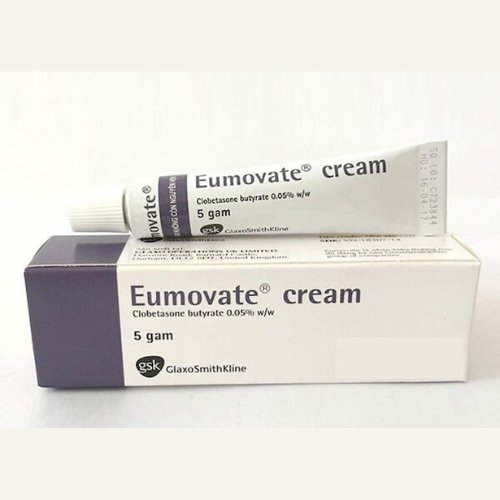
Clobetasone is a topical corticosteroid medication used to reduce inflammation, redness, itching, and irritation associated with various skin conditions. It belongs to a group of medicines called corticosteroids (steroids) that work by calming the body’s inflammatory response.
Clobetasone is commonly prescribed for conditions such as eczema, dermatitis, allergic skin reactions, and inflammatory skin disorders when a mild-to-moderate strength steroid is appropriate.
Unlike stronger corticosteroids, Clobetasone is designed for use on sensitive areas and conditions where a lower-potency steroid is preferred.
What Is Clobetasone?
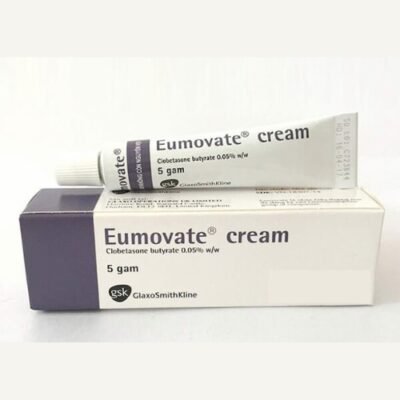
Clobetasone contains the active ingredient:
- Clobetasone butyrate
It is available as:
- Cream
- Ointment
- Other topical preparations (depending on the country and product)
Clobetasone is classified as a moderately potent topical corticosteroid.
Approved Medical Uses
Healthcare providers may recommend Clobetasone for:
- Eczema
- Atopic dermatitis
- Contact dermatitis
- Allergic skin reactions
- Inflammatory rashes
- Skin irritation and itching
- Other steroid-responsive skin conditions
It is intended for short-term management of inflammation and should be used according to medical advice.
How Does Clobetasone Work?
Clobetasone works by reducing the activity of inflammatory chemicals released by the immune system.
It helps:
- Decrease redness
- Reduce swelling
- Relieve itching
- Calm skin irritation
- Reduce inflammation
By lowering excessive immune activity in the skin, it helps improve symptoms of inflammatory skin conditions.
How Should Clobetasone Be Used?
Always use Clobetasone exactly as directed by your healthcare provider or according to the product instructions.
General recommendations include:
- Apply a thin layer to affected skin.
- Use only on the areas recommended.
- Wash hands before and after application unless treating the hands.
- Avoid contact with eyes unless specifically prescribed for that area.
- Do not use for longer than recommended.
Using more than directed does not improve results and may increase the risk of side effects.
Dosage and Application Information
The amount used depends on:
- Size of the affected area
- Location of the skin condition
- Severity of symptoms
- Age
- Treatment response
General guidance
- Apply a thin layer once or twice daily as directed.
- Treatment duration is usually limited to the shortest period needed to control symptoms.
Important note
Children, older adults, and people using steroids on large skin areas may require additional medical guidance.
Common Side Effects
Common side effects may include:
- Mild skin irritation
- Burning sensation
- Stinging
- Dryness
- Itching at the application site
These effects are often temporary.
Serious Safety Warnings
Long-term or excessive use of topical corticosteroids may cause:
- Skin thinning (atrophy)
- Stretch marks
- Changes in skin color
- Increased hair growth at the application site
- Worsening of certain skin infections
- Reduced effectiveness over time
Seek medical advice if:
- Skin symptoms become worse
- Signs of infection develop
- The condition does not improve after treatment
Important Precautions
Before using Clobetasone, tell your healthcare provider if you have:
- A skin infection
- Acne or rosacea
- Open wounds
- Viral skin infections
- Fungal skin infections
- Previous reactions to corticosteroids
Avoid using Clobetasone on the face, groin, or other sensitive areas unless advised by a healthcare professional.
Drug Interactions
Because Clobetasone is applied to the skin, significant drug interactions are uncommon.
However, tell your healthcare provider about:
- Other steroid creams or ointments you use
- Skin treatments
- Prescription medicines
- Over-the-counter products
Using multiple topical steroids together may increase the risk of side effects.
Monitoring During Treatment
Healthcare providers may monitor:
- Improvement of skin symptoms
- Signs of irritation or infection
- Need for continued treatment
- Possible steroid-related skin changes
If symptoms return frequently, your healthcare provider may adjust your treatment plan.
Safe Storage
Store Clobetasone according to the product instructions.
General recommendations include:
- Keep the tube or container tightly closed.
- Store at room temperature.
- Protect from excessive heat.
- Keep away from children and pets.
- Do not use after the expiry date.
Frequently Asked Questions
What is Clobetasone used for?
Clobetasone is used to reduce inflammation, itching, and irritation caused by skin conditions such as eczema and dermatitis.
Is Clobetasone a steroid cream?
Yes. Clobetasone is a topical corticosteroid used to reduce skin inflammation.
Is Clobetasone the same as Clobetasol?
No. Although the names are similar, they are different medicines. Clobetasol is a much stronger topical corticosteroid, while Clobetasone is a lower-potency steroid.
How often should Clobetasone be applied?
Application frequency depends on the product instructions and healthcare provider’s advice. Many formulations are used once or twice daily.
Can Clobetasone be used on the face?
Only use Clobetasone on the face if specifically advised by a healthcare professional, as facial skin is more sensitive and may be more prone to steroid side effects.
Can Clobetasone cure eczema permanently?
Clobetasone can help control eczema symptoms such as inflammation and itching, but it does not permanently cure eczema.
Can Clobetasone be used for skin infections?
No. Clobetasone does not treat bacterial, fungal, or viral infections and may worsen some untreated infections.
Conclusion
Clobetasone is a moderately potent topical corticosteroid used to reduce inflammation, itching, and irritation caused by eczema, dermatitis, and other steroid-responsive skin conditions.
When used correctly and for the recommended duration, Clobetasone can provide effective symptom relief. To reduce the risk of side effects, it should be applied only as directed and medical advice should be followed, especially for long-term use or treatment of sensitive skin areas.
Clobetasone, Clobetasone cream, Clobetasone ointment, Clobetasone uses, Clobetasone dosage, Clobetasone side effects, topical corticosteroid, steroid cream for eczema, dermatitis treatment, itchy skin cream, skin inflammation treatment, eczema medication, corticosteroid cream safety, Clobetasone precautions, Clobetasone FAQs, inflammatory skin condition treatment, prescription skin cream.
Be the first to review “Clobetasone”
Related products
Drugs
Drugs
Drugs
Drugs
Drugs

Drugs
Drugs
Drugs
Reviews
There are no reviews yet.