
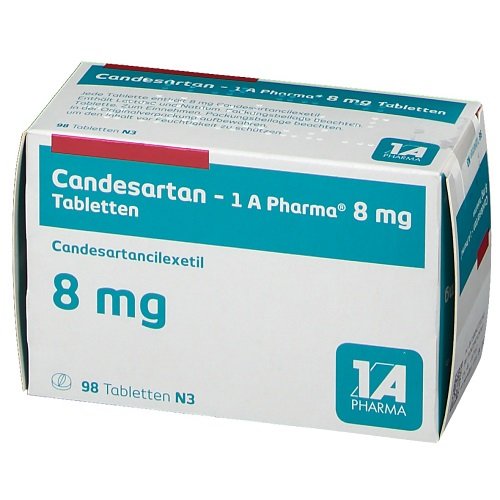
Candesartan 8 mg: Uses, Dosage, Side Effects, Safety, and Frequently Asked Questions
Candesartan 8 mg: Uses, Dosage, Side Effects & Safety Guide
Learn about Candesartan 8 mg, including its uses for high blood pressure and heart failure, dosage guidance, side effects, safety precautions, drug interactions, and frequently asked questions.
Candesartan 8 mg: Everything You Need to Know
Candesartan 8 mg is a prescription medication belonging to a group of medicines called angiotensin II receptor blockers (ARBs). It is commonly used to treat high blood pressure (hypertension) and heart failure.
Candesartan works by blocking the effects of angiotensin II, a hormone that causes blood vessels to tighten and increases blood pressure. By relaxing blood vessels, Candesartan helps lower blood pressure and allows the heart to pump blood more easily.
What Is Candesartan 8 mg?
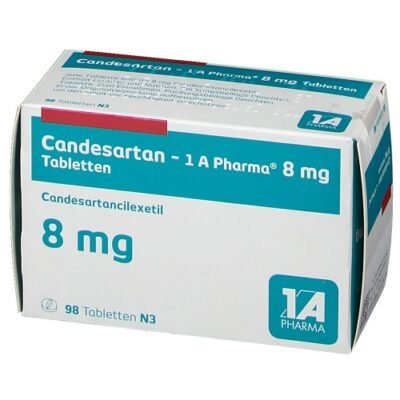
Candesartan contains the active ingredient candesartan cilexetil, which is converted in the body into the active medicine candesartan.
It is available as oral tablets in strengths including:
- 2 mg
- 4 mg
- 8 mg
- 16 mg
- 32 mg
The 8 mg tablet is commonly used as an initial dose or part of a dose-adjustment plan depending on the patient’s condition and response.
Approved Medical Uses
Healthcare providers prescribe Candesartan for:
- High blood pressure (hypertension)
- Heart failure with reduced pumping ability
- Reducing strain on the heart
- Lowering the risk of complications associated with uncontrolled blood pressure
By controlling blood pressure, Candesartan helps protect organs such as the heart, brain, and kidneys.
How Does Candesartan Work?
Candesartan blocks angiotensin II receptors.
This action helps:
- Relax blood vessels
- Reduce blood pressure
- Decrease workload on the heart
- Improve circulation
- Reduce fluid pressure inside blood vessels
Unlike some blood pressure medicines, Candesartan generally does not cause a persistent dry cough as commonly seen with ACE inhibitors.
How Should Candesartan 8 mg Be Taken?
Always take Candesartan exactly as prescribed by your healthcare provider.
General recommendations include:
- Take once daily.
- Swallow the tablet with water.
- Take it at the same time each day.
- It may be taken with or without food.
- Continue taking it even if you feel well.
- Do not stop treatment without medical advice.
High blood pressure often has no symptoms, so consistent treatment is important.
Dosage Information
Dosage depends on:
- The condition being treated
- Age
- Kidney function
- Blood pressure response
- Other medications being taken
Typical adult dosing (general guidance)
High Blood Pressure
- Starting dose: commonly 8 mg once daily
- Usual maintenance dose: 8–32 mg once daily
Heart Failure
- Often started at a lower dose and gradually increased as tolerated.
Important note
Your healthcare provider may adjust the dose based on blood pressure readings, kidney function, and potassium levels.
Common Side Effects
Many people tolerate Candesartan well.
Common side effects include:
- Dizziness
- Headache
- Low blood pressure
- Tiredness
- Increased potassium levels
- Changes in kidney function tests
These effects may improve as your body adjusts to treatment.
Serious Safety Warnings
Although uncommon, serious side effects may occur.
Potential risks include:
- Severe allergic reactions
- Kidney problems
- High potassium levels (hyperkalemia)
- Very low blood pressure
- Swelling of the face, lips, tongue, or throat (angioedema)
Seek emergency medical attention if you experience difficulty breathing, severe swelling, fainting, or symptoms of a serious allergic reaction.
Important Precautions
Before taking Candesartan, tell your healthcare provider if you have:
- Kidney disease
- Liver disease
- Heart problems
- High potassium levels
- Dehydration
- Diabetes
- Pregnancy or plans to become pregnant
Pregnancy warning: Candesartan should not be used during pregnancy, especially after the first trimester, because it may harm an unborn baby.
Drug Interactions
Candesartan may interact with other medications.
Tell your healthcare provider about all:
- Prescription medicines
- Over-the-counter medicines
- Vitamins
- Herbal supplements
Important interactions include:
- Potassium supplements
- Potassium-containing salt substitutes
- Potassium-sparing diuretics
- Non-steroidal anti-inflammatory drugs (NSAIDs), such as ibuprofen
- Other blood pressure medications
- Lithium
These combinations may increase the risk of kidney problems, high potassium levels, or other complications.
Monitoring During Treatment
Healthcare providers may monitor:
- Blood pressure
- Kidney function
- Blood potassium levels
- Heart failure symptoms
- Overall treatment response
Regular check-ups help ensure the medication remains safe and effective.
Safe Storage
Store Candesartan according to the product instructions.
General recommendations include:
- Keep tablets in the original packaging.
- Store at room temperature.
- Protect from moisture and excessive heat.
- Keep away from children and pets.
- Do not use expired medication.
- Dispose of unused tablets safely.
Frequently Asked Questions
What is Candesartan 8 mg used for?
Candesartan 8 mg is used to treat high blood pressure and heart failure by relaxing blood vessels and reducing strain on the heart.
Is Candesartan an ACE inhibitor?
No. Candesartan is an angiotensin II receptor blocker (ARB). It works differently from ACE inhibitors but has similar blood pressure-lowering effects.
What are the most common side effects?
Common side effects include dizziness, headache, tiredness, low blood pressure, increased potassium levels, and changes in kidney function.
Does Candesartan cause coughing?
Candesartan is less likely to cause a persistent dry cough compared with ACE inhibitor medications.
Can I stop taking Candesartan suddenly?
Do not stop taking Candesartan without medical advice, as your blood pressure may increase and your condition may worsen.
Can I take Candesartan with painkillers?
Some painkillers, especially NSAIDs such as ibuprofen, may affect kidney function or reduce the effectiveness of Candesartan. Ask your healthcare provider before regular use.
How long does Candesartan take to work?
Blood pressure may begin improving within a few hours, but the full effect may take several weeks of regular treatment.
Conclusion
Candesartan 8 mg is an effective ARB medication used to treat high blood pressure and heart failure. By blocking the action of angiotensin II, it relaxes blood vessels, lowers blood pressure, and reduces stress on the heart.
For safe and effective treatment, take Candesartan exactly as prescribed, attend regular medical check-ups, monitor blood pressure as advised, and inform your healthcare provider about any other medicines or supplements you use.
Candesartan 8 mg, Candesartan, candesartan cilexetil, Candesartan uses, Candesartan dosage, Candesartan side effects, blood pressure medication, hypertension treatment, ARB medication, heart failure treatment, angiotensin receptor blocker, prescription blood pressure tablets, cardiovascular medication, Candesartan safety, Candesartan FAQs, high blood pressure guide, heart health medicine, kidney monitoring Candesartan, hypertension medication guide.
| Quantity | 30 pills, 60 pills, 120 pills, 180 pills, 200 pills, 250 pills, 300 pills, 400 pills, 500 pills |
|---|
Be the first to review “Candesartan 8mg”
Related products
Drugs
Drugs
Drugs
Drugs
Drugs
Drugs
Drugs

Drugs
Reviews
There are no reviews yet.