
Buprenorphine: Uses, Dosage, Side Effects, Safety, and Frequently Asked Questions
Buprenorphine: Uses, Dosage, Side Effects & Safety Guide
Learn about buprenorphine, including its uses for opioid dependence and pain management, dosage guidance, side effects, safety precautions, drug interactions, and frequently asked questions.
Buprenorphine: Everything You Need to Know
Buprenorphine is a prescription medication used for opioid dependence treatment and, in some cases, moderate to severe pain management. It belongs to a class of drugs called partial opioid agonists, which means it activates opioid receptors in the brain but with a ceiling effect that reduces the risk of overdose compared to full opioids.
It is commonly used as part of medication-assisted treatment (MAT) for opioid use disorder and is often combined with naloxone to reduce misuse risk.
What Is Buprenorphine?
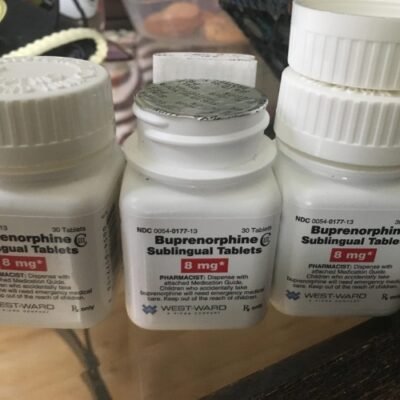
Buprenorphine is a long-acting opioid medication with partial agonist activity at the mu-opioid receptor.
It is available in several forms:
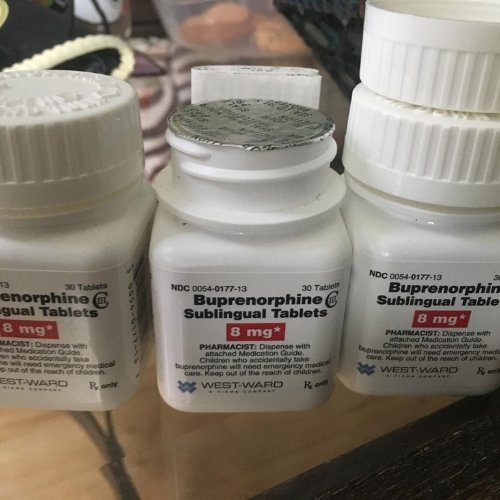
- Sublingual tablets (under the tongue)
- Sublingual films
- Long-acting injections
- Skin patches (for pain treatment)
Combination products may include buprenorphine + naloxone.
Approved Medical Uses
Healthcare providers prescribe buprenorphine for:
- Opioid use disorder (OUD) maintenance therapy
- Detoxification from opioids
- Moderate to severe chronic pain (patch form)
- Medication-assisted treatment (MAT) programs
It helps reduce cravings and withdrawal symptoms in people dependent on opioids.
How Does Buprenorphine Work?
Buprenorphine works by partially activating mu-opioid receptors and blocking other opioids from fully binding.
This helps:
- Reduce opioid cravings
- Prevent withdrawal symptoms
- Lower risk of misuse compared to full opioids
- Provide pain relief (in some formulations)
- Stabilize brain chemistry in opioid dependence
Its “ceiling effect” reduces respiratory depression risk at higher doses.
How Should Buprenorphine Be Taken?
Always take buprenorphine exactly as prescribed.
General recommendations include:
- Place sublingual tablets/film under the tongue and allow to dissolve
- Do not swallow immediately (for sublingual forms)
- Avoid eating or drinking until fully dissolved
- Follow induction instructions carefully (especially for opioid dependence)
- Do not stop suddenly without medical supervision
- Use patches exactly as directed (if prescribed)
Improper use may reduce effectiveness or increase risk.
Dosage Information
Dosage depends on condition and treatment stage.
Typical adult dosing (general guidance)
Opioid use disorder
- Induction: often 2–8 mg initially, adjusted based on response
- Maintenance: commonly 8–24 mg per day
Chronic pain (patch form)
- Usually 5–20 micrograms/hour patch, changed weekly
Important note
Dosing must be individualized and carefully managed by a healthcare provider.
Common Side Effects
Common side effects include:
- Headache
- Nausea
- Constipation
- Sweating
- Sleep disturbances
- Dizziness
- Fatigue
- Mouth numbness or irritation (sublingual forms)
Serious Safety Warnings
Buprenorphine is an opioid and can still cause serious risks.
Potential risks include:
- Respiratory depression (especially with other sedatives)
- Severe allergic reactions
- Liver problems
- Withdrawal symptoms if misused or stopped abruptly
- Low blood pressure
- Dependence or misuse
Seek emergency help if breathing becomes slow or difficult, or if extreme drowsiness occurs.
Important Precautions
Before taking buprenorphine, tell your healthcare provider if you have:
- Breathing problems (asthma, COPD)
- Liver disease
- Head injury or brain disorders
- History of substance use disorder
- Pregnancy or breastfeeding considerations
- Mental health conditions
It must be used carefully in patients with respiratory risk.
Drug Interactions
Buprenorphine may interact with other medications.
Inform your healthcare provider about:
- Benzodiazepines (e.g., diazepam, alprazolam)
- Alcohol
- Other opioids
- Sleeping medications
- Muscle relaxants
- Antidepressants
These combinations can increase sedation and risk of respiratory depression.
Monitoring During Treatment
Healthcare providers may monitor:
- Withdrawal symptoms or cravings
- Breathing and sedation levels
- Liver function
- Mental health status
- Treatment adherence
- Risk of misuse or relapse
Regular follow-up is essential in MAT programs.
Safe Storage
Store buprenorphine safely:
- Keep at room temperature
- Store in original packaging
- Protect from moisture and heat
- Keep out of reach of children and others
- Do not share medication
- Dispose of unused doses safely through pharmacy programs
Frequently Asked Questions
What is buprenorphine used for?
Buprenorphine is used to treat opioid dependence and sometimes chronic pain.
Is buprenorphine an opioid?
Yes. It is a partial opioid agonist with a safer profile than full opioids.
Does buprenorphine reduce cravings?
Yes. It helps reduce cravings and withdrawal symptoms in opioid dependence.
Can buprenorphine cause dependence?
Yes, but it is used in a controlled medical setting to manage opioid dependence safely.
Can I stop buprenorphine suddenly?
No. Stopping suddenly can cause withdrawal symptoms and relapse risk.
Is buprenorphine safe long-term?
Yes, when used under medical supervision as part of a treatment plan.
Can I drink alcohol while taking buprenorphine?
No. Alcohol increases the risk of dangerous sedation and breathing problems.
Conclusion
Buprenorphine is an important medication used mainly for treating opioid dependence and, in some cases, chronic pain. It works by partially activating opioid receptors, helping reduce cravings and withdrawal symptoms while lowering overdose risk compared to full opioids.
When used under medical supervision, it is an effective part of long-term recovery and pain management. Careful dosing, avoidance of drug interactions, and regular monitoring are essential for safe use.
Buprenorphine, buprenorphine uses, buprenorphine dosage, buprenorphine side effects, opioid addiction treatment, medication assisted treatment, MAT therapy, opioid dependence medication, partial opioid agonist, Suboxone alternative, opioid withdrawal treatment, chronic pain patch, buprenorphine safety, addiction treatment medication, opioid receptor drug, buprenorphine FAQs, sublingual buprenorphine, opioid craving medication, prescription opioid treatment, recovery medication guide.
| Quantity | 30 Pills, 60 Pills, 120 Pills, 180 Pills, 200 Pills, 250 Pills, 300 Pills, 400 Pills, 500 Pills |
|---|
Be the first to review “Buprenorphine”
Related products
Drugs

Drugs

Drugs
Drugs
Drugs
Drugs
Drugs
Drugs
Reviews
There are no reviews yet.