
Bisacodyl: Uses, Dosage, Side Effects, Safety, and Frequently Asked Questions
Bisacodyl: Uses, Dosage, Side Effects & Constipation Relief Guide
Learn about Bisacodyl, including its medical uses for constipation and bowel preparation, dosage guidance, side effects, safety precautions, drug interactions, and frequently asked questions.
Bisacodyl: Everything You Need to Know
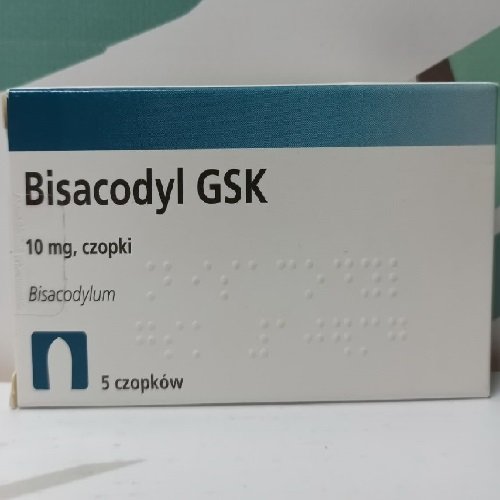
Bisacodyl is an over-the-counter and prescription stimulant laxative used to treat occasional constipation and to help empty the bowels before certain medical procedures, such as a colonoscopy or surgery. It is available as tablets and rectal suppositories.
Bisacodyl works by stimulating the muscles of the intestines and increasing the movement of stool through the bowel. It also helps increase the amount of water in the intestines, making stools easier to pass.
It is intended for short-term use and should not be used regularly unless recommended by a healthcare provider.
This guide explains what Bisacodyl is, how it works, its approved medical uses, dosage information, possible side effects, important safety precautions, and answers to frequently asked questions.
What Is Bisacodyl?
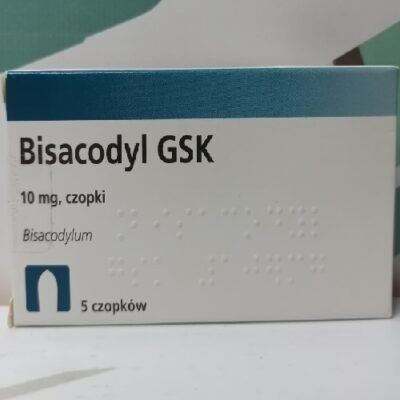
Bisacodyl is a stimulant laxative that promotes bowel movements by increasing intestinal activity.
It is commonly used for:
- Occasional constipation
- Bowel preparation before diagnostic procedures
- Situations where temporary bowel emptying is medically necessary
Bisacodyl is available in oral delayed-release tablets and rectal suppositories.
Approved Medical Uses
Healthcare providers may recommend Bisacodyl for:
- Relief of occasional constipation
- Bowel preparation before colonoscopy
- Bowel cleansing before surgery
- Temporary treatment of infrequent bowel movements
It is not generally recommended for the long-term treatment of chronic constipation unless advised by a healthcare professional.
How Does Bisacodyl Work?
Bisacodyl works by stimulating the nerves in the wall of the colon.
This helps:
- Increase bowel muscle contractions
- Speed the movement of stool through the intestines
- Increase water and electrolyte secretion into the bowel
- Make stools easier to pass
The onset of action depends on the formulation used.
How Should Bisacodyl Be Taken?
Bisacodyl should always be used according to the product label or your healthcare provider’s instructions.
General recommendations for tablets
- Swallow tablets whole with a full glass of water.
- Do not crush, chew, or break the tablets.
- Avoid taking milk or antacids within about one hour before or after taking Bisacodyl tablets, as they may affect the tablet coating.
- Take only the recommended dose.
General recommendations for suppositories
- Wash your hands before and after use.
- Insert the suppository into the rectum as directed.
- Try to retain it until the urge to have a bowel movement occurs.
Dosage Information
Dosage varies depending on age, formulation, and the reason for treatment.
Typical adult dosing (general guidance)
Oral tablets
- Usually 5–15 mg once daily, preferably taken at bedtime for an overnight effect.
Rectal suppositories
- Usually 10 mg once daily as needed.
Pediatric dosing
Children may require lower doses based on age and should only use Bisacodyl under the guidance of a healthcare provider or according to the product labeling.
Important note
Bisacodyl should generally not be used for more than 5 consecutive days unless instructed by a healthcare professional.
Common Side Effects
Most side effects are mild and temporary.
Common side effects include:
- Abdominal cramps
- Stomach discomfort
- Diarrhea
- Nausea
- Rectal irritation (with suppositories)
These symptoms usually resolve after the medication has worked.
Serious Safety Warnings
Although uncommon, serious side effects may occur.
Potential risks include:
- Severe dehydration
- Electrolyte imbalance
- Persistent diarrhea
- Severe abdominal pain
- Rectal bleeding
- Allergic reactions
Seek immediate medical attention if you experience severe abdominal pain, blood in the stool, persistent vomiting, or signs of dehydration such as dizziness, confusion, or reduced urination.
Important Precautions
Before using Bisacodyl, tell your healthcare provider if you have:
- Severe abdominal pain of unknown cause
- Suspected bowel obstruction
- Appendicitis
- Inflammatory bowel disease
- Rectal bleeding
- Persistent nausea or vomiting
- Pregnancy or breastfeeding considerations
Frequent or prolonged use of stimulant laxatives may lead to dependence or electrolyte disturbances.
Drug Interactions
Bisacodyl may interact with certain medications.
Inform your healthcare provider if you take:
- Antacids
- Proton pump inhibitors (PPIs)
- H2 receptor blockers
- Diuretics (water tablets)
- Corticosteroids
- Other laxatives
These combinations may increase the risk of gastrointestinal irritation or electrolyte imbalances.
Monitoring During Treatment
Healthcare providers may monitor:
- Improvement in constipation
- Frequency of bowel movements
- Hydration status
- Electrolyte levels during prolonged use
- Signs of laxative overuse
Medical evaluation may be needed if constipation persists despite treatment.
Safe Storage
Store Bisacodyl according to the product labeling.
General recommendations include:
- Store at room temperature.
- Protect from excessive heat and moisture.
- Keep tablets and suppositories in their original packaging.
- Keep out of the reach of children.
- Do not use expired medication.
Frequently Asked Questions
What is Bisacodyl used for?
Bisacodyl is used to relieve occasional constipation and to prepare the bowel before certain medical procedures.
How long does Bisacodyl take to work?
Oral tablets usually work within 6 to 12 hours, while rectal suppositories generally work within 15 to 60 minutes.
Can I take Bisacodyl every day?
Bisacodyl is intended for short-term use. Daily or long-term use should only occur under the supervision of a healthcare provider.
What are the most common side effects?
Common side effects include abdominal cramps, diarrhea, nausea, stomach discomfort, and rectal irritation with suppositories.
Can I take Bisacodyl with food?
Yes. However, avoid taking tablets with milk or antacids within about one hour because they may interfere with the tablet coating.
What should I do if I miss a dose?
Since Bisacodyl is usually taken as needed, simply take it when required according to the product instructions. Do not take extra doses.
Can children use Bisacodyl?
Yes, but only at age-appropriate doses and preferably under medical guidance.
Conclusion
Bisacodyl is an effective stimulant laxative used for the short-term relief of occasional constipation and for bowel preparation before certain medical procedures. It works by stimulating intestinal muscle contractions and increasing water in the bowel, helping stools pass more easily.
Although generally safe when used as directed, Bisacodyl should not be used for prolonged periods without medical advice because long-term use may lead to dehydration, electrolyte imbalances, or laxative dependence. Following dosing instructions, staying well hydrated, and seeking medical evaluation for persistent constipation can help ensure safe and effective treatment.
Bisacodyl, Bisacodyl tablets, Bisacodyl suppositories, Bisacodyl uses, Bisacodyl dosage, Bisacodyl side effects, stimulant laxative, constipation treatment, constipation relief, bowel preparation medication, colonoscopy preparation, laxative tablets, rectal suppository, bowel cleansing medication, occasional constipation treatment, Bisacodyl safety, over-the-counter laxative, digestive health medication, bowel movement medicine, constipation medication guide, Bisacodyl FAQs, short-term constipation treatment, prescription laxative, bowel health, laxative medication.
| Quantity | 30 Pills, 60 Pills, 120 Pills, 180 Pills, 200 Pills, 250 Pills, 300 Pills, 400 Pills, 500 Pills |
|---|
Be the first to review “Bisacodyl”
Related products

Drugs
Drugs
Drugs
Drugs

Drugs
Drugs
Drugs
Reviews
There are no reviews yet.