
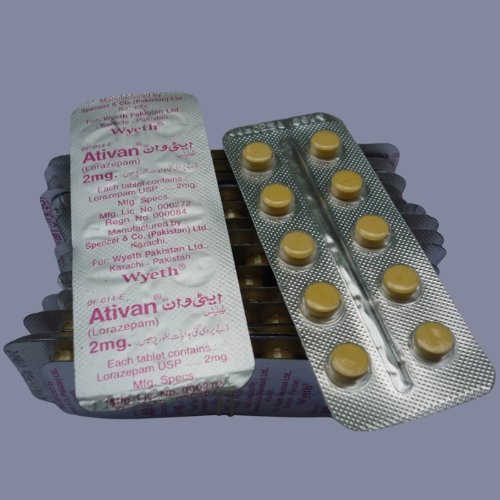

Ativan: Uses, Dosage, Side Effects, Safety, and Frequently Asked Questions
Ativan: Uses, Side Effects & Anxiety Medication Guide (Lorazepam)
Learn about Ativan (lorazepam), including its uses for anxiety and seizures, dosage, side effects, safety precautions, dependence risk, and frequently asked questions.
Ativan: Everything You Need to Know
Ativan contains Lorazepam, a prescription medication belonging to the benzodiazepine class. It is used for short-term management of severe anxiety, acute agitation, and certain seizure-related conditions.
Ativan works by calming activity in the central nervous system, producing a sedative, anti-anxiety, and muscle-relaxing effect. Because of its potency and risk of dependence, it is usually prescribed for short-term or closely monitored use.
What Is Ativan?
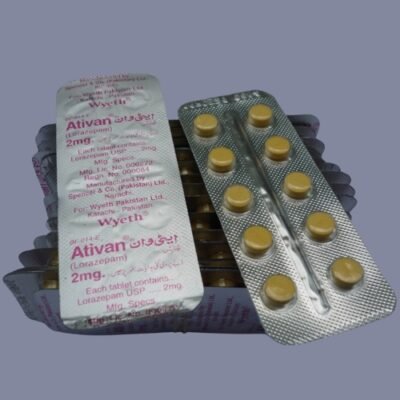
Ativan is a fast-acting medication that enhances the effect of a brain chemical called GABA (gamma-aminobutyric acid). GABA slows down overactive nerve activity in the brain, helping to produce a calming effect.
It is commonly used when rapid symptom relief is needed, especially in acute anxiety episodes or medical settings.
Approved Medical Uses
Healthcare providers may prescribe Ativan for:
- Anxiety disorder (short-term relief of severe symptoms)
- Acute panic attacks
- Seizure disorder (including status epilepticus in emergency care)
- Pre-surgical sedation (to reduce anxiety before procedures)
- Severe agitation in controlled medical environments
It is generally not recommended for long-term daily anxiety management due to dependence risks.
How Does Lorazepam Work?
Lorazepam enhances the activity of GABA in the brain.
This leads to:
- Reduced excessive brain activity
- Calming of anxiety and panic symptoms
- Muscle relaxation
- Sedation and sleepiness
- Decreased seizure activity in emergency situations
Because of its strong calming effects, it can impair alertness and coordination.
How Should Ativan Be Taken?
Ativan should always be taken exactly as prescribed by a healthcare provider.
General guidance includes:
- Take only the prescribed dose and frequency.
- It may be taken with or without food.
- Do not increase the dose without medical supervision.
- Avoid alcohol while taking this medication.
- Do not stop suddenly if used regularly for an extended period (dose tapering may be required).
Because it can cause drowsiness, caution is needed when driving or operating machinery.
Common Side Effects
Common side effects may include:
- Drowsiness
- Dizziness
- Fatigue
- Weakness
- Poor coordination
- Confusion (especially in older adults)
These effects are often stronger when starting treatment or increasing dose.
Serious Safety Warnings
Ativan carries important safety risks, especially with long-term or high-dose use.
Potential serious effects include:
- Physical dependence and withdrawal symptoms
- Respiratory depression (especially when combined with other sedatives)
- Severe sedation or loss of consciousness
- Memory problems
- Worsening depression in some individuals
- Increased risk of overdose when combined with alcohol or opioids
Seek emergency medical care if there is extreme drowsiness, slow breathing, fainting, or inability to wake someone.
Dependence and Withdrawal Risk
Because Ativan is a benzodiazepine, the body can become dependent on it over time.
Withdrawal symptoms may include:
- Anxiety rebound
- Insomnia
- Irritability
- Tremors
- Sweating
- In severe cases, seizures
For this reason, stopping Ativan should always be done gradually under medical supervision.
Important Precautions
Before taking Ativan, tell your healthcare provider if you have:
- Depression or other mental health conditions
- Substance use history
- Breathing problems (such as asthma or sleep apnea)
- Liver or kidney disease
- Pregnancy or breastfeeding considerations
Older adults may be more sensitive to sedation and fall risk.
Drug Interactions
Ativan may interact with other substances that affect the central nervous system.
Tell your healthcare provider about all:
- Prescription medications
- Over-the-counter drugs
- Herbal supplements
Important interactions include:
- Alcohol
- Opioid pain medications
- Zolpidem
- Antidepressants and antipsychotics
- Other benzodiazepines
These combinations can significantly increase sedation and breathing risks.
Monitoring During Treatment
Healthcare providers may monitor:
- Level of sedation and alertness
- Anxiety symptom control
- Signs of dependence or tolerance
- Breathing function (if high risk)
- Overall mental health status
Regular follow-up helps ensure safe and appropriate use.
Lifestyle Support for Anxiety Management
Ativan is often used alongside non-medication strategies such as:
- Cognitive behavioral therapy (CBT)
- Stress management techniques
- Regular physical activity
- Sleep hygiene improvements
- Breathing and relaxation exercises
- Reducing caffeine and stimulant intake
These approaches can help reduce long-term reliance on medication.
Safe Storage
Store Ativan properly:
- Keep at room temperature
- Protect from light and moisture
- Store in a secure location (controlled substance)
- Keep out of reach of children and others
Unused medication should be disposed of through pharmacy take-back programs.
Frequently Asked Questions
What is Ativan used for?
Ativan is used for short-term relief of severe anxiety, panic attacks, and certain seizure conditions.
Is Ativan addictive?
Yes. It can cause dependence, especially with long-term use or higher doses.
How fast does Ativan work?
It usually works within 30 to 60 minutes.
Can I drink alcohol with Ativan?
No. Alcohol greatly increases the risk of dangerous side effects.
Can Ativan be used long term?
It is generally intended for short-term use due to dependence risks.
Conclusion
Ativan (lorazepam) is a fast-acting benzodiazepine used for short-term relief of severe anxiety, panic symptoms, and certain medical emergencies. While it can be highly effective, it must be used carefully due to risks of dependence, sedation, and withdrawal.
Safe use requires close medical supervision, avoidance of alcohol and sedatives, and a clear treatment plan that may include therapy and long-term anxiety management strategies.
Ativan, lorazepam, benzodiazepine, anxiety medication, panic attack treatment, sedative medication, anti anxiety drug, seizure emergency medication, short term anxiety relief, Ativan side effects, benzodiazepine risks, dependence and withdrawal, prescription anxiety medication, mental health treatment, healthcare information, Ativan uses, controlled substance anxiety drug, sedative hypnotics, anxiety disorder medication.
| Quantity | 30 Pills, 60 Pills, 120 Pills, 180 Pills, 200 Pills, 250 Pills, 300 Pills, 400 Pills, 500 Pills |
|---|
Be the first to review “Ativan”
Related products
Drugs

Drugs

Drugs
Drugs
Drugs

Drugs

Drugs
Reviews
There are no reviews yet.