
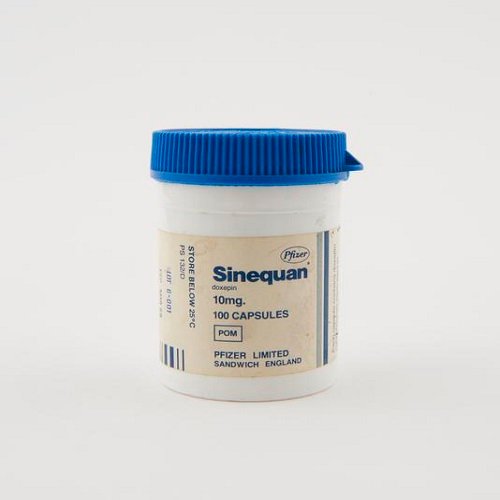
Sinequan 10mg
Price range: €120.00 through €820.00
Mechanism of Action
Sinequan works by increasing levels of certain neurotransmitters in the brain, specifically serotonin and norepinephrine. These neurotransmitters are responsible for regulating mood, emotions, and brain function. By increasing these levels, Sinequan helps to improve symptoms of depression, anxiety, and other mental health disorders.
Dosage and Administration
The recommended dose of Sinequan 10mg is once daily, usually taken at bedtime. The dosage should individualized based on the patient’s needs and clinical response. It is important to follow the instructions provided by your healthcare provider and adhere to the prescribed dosage regimen.
Sinequan 10 mg: Uses, Dosage, Side Effects, Safety, and Frequently Asked Questions
Learn about Sinequan 10 mg (doxepin), including its medical uses, dosage, side effects, safety precautions, drug interactions, and frequently asked questions.
Sinequan 10 mg: Everything You Need to Know
Sinequan 10 mg is a prescription medication that contains Doxepin, a tricyclic antidepressant (TCA) used to treat Major depressive disorder and, in some cases, anxiety-related conditions. At lower doses, doxepin is also used for its sedative properties in managing sleep disturbances.
Doxepin works by affecting neurotransmitters in the brain, especially serotonin and norepinephrine, which play important roles in mood regulation, sleep, and emotional stability. Because it influences the central nervous system, it must be used under medical supervision due to potential side effects and drug interactions.
What Is Sinequan 10 mg?
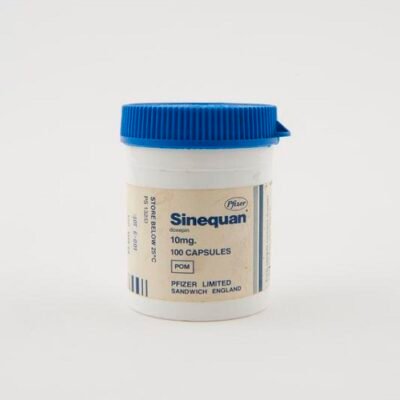
Sinequan contains doxepin hydrochloride, a tricyclic antidepressant with sedative and anxiolytic effects.
The 10 mg dose is generally considered a low dose and may be used for:
- Mild depressive symptoms
- Anxiety-related conditions
- Sleep disturbances (off-label in some cases)
Higher doses are typically used for major depressive disorder treatment.
Approved Medical Uses
Healthcare providers may prescribe Sinequan for:
- Major depressive disorder (MDD)
- Anxiety disorders
- Insomnia (at lower doses, depending on clinical judgment)
- Other mood-related conditions when appropriate
Treatment is individualized based on patient needs and medical history.
How Does Sinequan Work?
Doxepin works by increasing levels of serotonin and norepinephrine in the brain by inhibiting their reuptake.
This may help:
- Improve mood
- Reduce anxiety
- Promote relaxation
- Support sleep regulation
- Reduce depressive symptoms
Because it has strong antihistamine effects, it can also cause sedation.
How Should Sinequan 10 mg Be Taken?
Sinequan should always be taken exactly as prescribed.
General recommendations include:
- Take at the same time each day
- It may be taken with or without food
- Avoid sudden discontinuation
- Follow dosage adjustments carefully as directed by a healthcare provider
- Avoid alcohol while using this medication
Regular follow-up is important to monitor response and side effects.
Common Side Effects
Common side effects may include:
- Drowsiness
- Dry mouth
- Dizziness
- Constipation
- Blurred vision
- Weight gain
- Fatigue
- Difficulty concentrating
These effects may improve as the body adjusts to treatment.
Serious Safety Warnings
Sinequan carries important safety risks typical of tricyclic antidepressants.
Potential serious risks include:
- Increased suicidal thoughts in young patients during early treatment
- Heart rhythm disturbances
- Severe allergic reactions
- Serotonin syndrome when combined with certain medications
- Seizures in susceptible individuals
Seek urgent medical help if symptoms include chest pain, fainting, severe confusion, high fever, or irregular heartbeat.
Important Precautions
Before taking Sinequan, inform your healthcare provider if you have:
- Heart disease or arrhythmias
- Glaucoma
- Liver disease
- Urinary retention issues
- Bipolar disorder
- Seizure disorders
- Pregnancy or breastfeeding considerations
Older adults may be more sensitive to sedation and anticholinergic effects.
Drug Interactions
Sinequan may interact with many medications.
Inform your healthcare provider about:
- Other antidepressants
- MAO inhibitors
- Antipsychotic medications
- Sleep medications
- Alcohol
- Antihistamines
- Certain heart medications
These combinations may increase sedation or risk of serious side effects.
Monitoring During Treatment
Healthcare providers may monitor:
- Mood and depression symptoms
- Sleep quality
- Side effects and sedation level
- Heart function (in some cases)
- Overall treatment response
Regular monitoring helps ensure safe and effective use.
Safe Storage
- Store at room temperature
- Keep in original packaging
- Protect from moisture and heat
- Keep out of reach of children and pets
- Do not share medication
Dispose of unused medication through pharmacy take-back programs.
Frequently Asked Questions
What is Sinequan 10 mg used for?
Sinequan 10 mg is used for depression and anxiety, and sometimes for sleep-related issues at low doses.
Is Sinequan a tricyclic antidepressant?
Yes. It contains doxepin, which belongs to the tricyclic antidepressant (TCA) class.
Does Sinequan make you sleepy?
Yes. It has sedative properties and may cause drowsiness, especially at lower doses.
How long does Sinequan take to work?
It may take several weeks for full antidepressant effects to appear.
Can I stop Sinequan suddenly?
No. Stopping suddenly may cause withdrawal symptoms. Always consult a healthcare provider first.
Conclusion
Sinequan 10 mg is a tricyclic antidepressant containing doxepin, used for depression, anxiety, and sometimes sleep-related conditions. It works by balancing neurotransmitters in the brain and has both mood-stabilizing and sedative effects.
Because it can cause side effects and interact with other medications, it should only be used under medical supervision with proper monitoring.
Sinequan 10 mg, Sinequan, doxepin, doxepin 10 mg, tricyclic antidepressant, TCA antidepressant, depression treatment, anxiety medication, sleep aid doxepin, medication safety, patient education, healthcare information, prescription guide, serotonin norepinephrine reuptake, antidepressant side effects
| Quantity | 30 Pills, 60 Pills, 120 Pills, 180 Pills, 200 Pills, 250 Pills, 300 Pills, 400 Pills, 500 Pills |
|---|
Be the first to review “Sinequan 10mg”
Related products
ANXIETY
ANXIETY

ANXIETY
ANXIETY
ANXIETY

ANXIETY
ANXIETY

ANXIETY
Reviews
There are no reviews yet.