
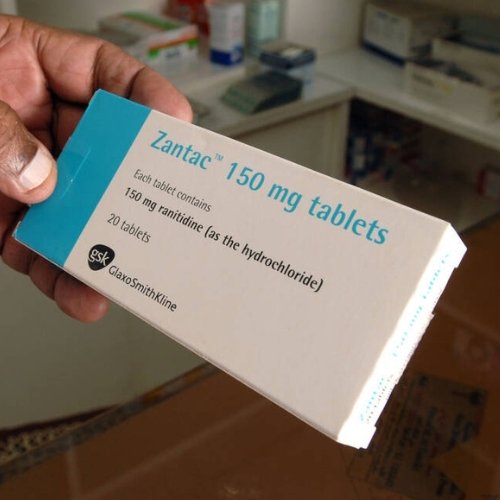
Zantac 150 mg (Ranitidine): Uses, Dosage, Side Effects, Safety, and Frequently Asked Questions
What Is Zantac 150 mg?
Zantac 150 mg is the brand name for ranitidine, a medication that belongs to a class of drugs known as histamine-2 (H2) receptor blockers. It was widely used to reduce stomach acid and treat conditions such as heartburn, acid reflux (GERD), stomach ulcers, and duodenal ulcers.
Important Safety Update: In many countries, including the United States, United Kingdom, Canada, Australia, and much of Europe, ranitidine products (including Zantac) have been withdrawn from the market due to concerns about contamination with N-nitrosodimethylamine (NDMA), a probable human carcinogen that may increase over time during storage.
Today, the Zantac brand in some markets contains a different active ingredient, famotidine, rather than ranitidine. If you are prescribed medication for acid reflux or heartburn, speak with your healthcare provider or pharmacist to confirm which active ingredient your product contains.
How Ranitidine Worked
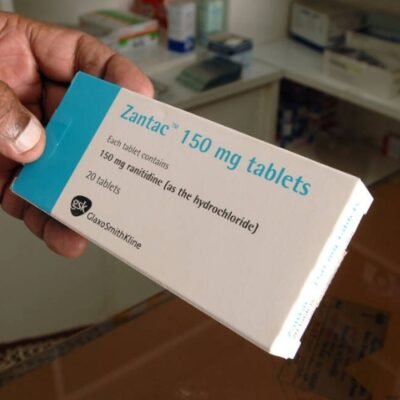
Ranitidine reduced stomach acid by blocking histamine H2 receptors in the stomach lining.
This action helped:
- Decrease stomach acid production.
- Relieve heartburn.
- Promote healing of stomach and duodenal ulcers.
- Reduce irritation caused by acid reflux.
Former Uses of Zantac (Ranitidine)
Before its withdrawal, Zantac 150 mg was commonly prescribed for:
Gastroesophageal Reflux Disease (GERD)
To relieve symptoms such as:
- Heartburn.
- Acid regurgitation.
- Chest discomfort caused by stomach acid.
Peptic Ulcers
To help heal:
- Stomach ulcers.
- Duodenal ulcers.
Excess Stomach Acid Conditions
Including certain conditions that cause excessive acid production, such as Zollinger-Ellison syndrome.
Available Alternatives
Since ranitidine was withdrawn in many countries, healthcare providers commonly recommend other acid-reducing medications, including:
- Famotidine (another H2 blocker).
- Omeprazole (a proton pump inhibitor).
- Pantoprazole.
- Esomeprazole.
- Lansoprazole.
The most appropriate alternative depends on your medical condition and healthcare provider’s recommendation.
If You Still Have Old Zantac (Ranitidine)
If you have an older supply of ranitidine:
- Do not use it.
- Check with your local pharmacy regarding safe disposal.
- Contact your healthcare provider if you need ongoing treatment for acid reflux or ulcers.
Common Side Effects (When Ranitidine Was Used)
People taking ranitidine commonly reported:
- Headache.
- Constipation.
- Diarrhea.
- Nausea.
- Dizziness.
- Tiredness.
Serious Side Effects
Although uncommon, serious side effects included:
- Severe allergic reactions.
- Liver problems.
- Irregular heartbeat.
- Confusion (more common in older adults or people who were seriously ill).
- Severe skin reactions.
Safety Information
Before using any medication for acid reflux, tell your healthcare provider if you have:
- Kidney disease.
- Liver disease.
- Difficulty swallowing.
- Unexplained weight loss.
- Persistent vomiting.
- Black or bloody stools.
- Chest pain that may be heart-related.
These symptoms may require further medical evaluation.
Drug Interactions
Ranitidine was known to interact with certain medications, including:
- Some antifungal medicines.
- Certain HIV medications.
- Warfarin.
- Medicines that require stomach acid for proper absorption.
Current alternatives such as famotidine or proton pump inhibitors have their own interaction profiles, so discuss all medications with your healthcare provider.
Pregnancy and Breastfeeding
If you are pregnant, planning pregnancy, or breastfeeding:
- Consult your healthcare provider before taking any acid-reducing medication.
- Alternative treatments may be recommended depending on your symptoms and medical history.
Storage
If you are using an approved acid-reducing medication:
- Store it at room temperature.
- Keep it away from moisture and heat.
- Keep it in its original packaging.
- Keep out of reach of children.
Frequently Asked Questions (FAQs)
What was Zantac 150 mg used for?
Zantac 150 mg (ranitidine) was used to treat heartburn, acid reflux (GERD), stomach ulcers, and other conditions involving excess stomach acid.
Why was Zantac removed from the market?
Ranitidine products were withdrawn in many countries because testing found that they could contain increasing levels of NDMA, a probable human carcinogen, during storage.
Is Zantac still available?
The original ranitidine-based Zantac is no longer available in many countries. In some markets, the Zantac brand has been reformulated to contain famotidine instead of ranitidine.
What can I take instead of ranitidine?
Common alternatives include famotidine and proton pump inhibitors such as omeprazole or pantoprazole. Your healthcare provider can recommend the most suitable option.
Is famotidine the same as ranitidine?
No. Both reduce stomach acid and belong to the H2 blocker class, but they are different medications with different chemical structures.
Can I use old Zantac tablets I found at home?
No. If the product contains ranitidine, it should not be used. Dispose of it safely according to your local pharmacy or healthcare authority’s guidance.
Are H2 blockers different from proton pump inhibitors (PPIs)?
Yes. H2 blockers reduce stomach acid by blocking histamine receptors, while PPIs reduce acid production by blocking the stomach’s acid pumps. PPIs generally provide stronger and longer-lasting acid suppression.
When should I seek medical advice for heartburn?
Seek medical attention if heartburn is frequent, severe, associated with difficulty swallowing, unexplained weight loss, vomiting blood, black stools, or chest pain.
Final Thoughts
Zantac 150 mg (ranitidine) was once a widely used treatment for acid reflux, heartburn, and stomach ulcers. However, because of concerns about NDMA contamination, ranitidine products have been withdrawn from many markets worldwide.
If you need treatment for acid-related conditions, speak with your healthcare provider about current alternatives such as famotidine or proton pump inhibitors. Never use old ranitidine products that may still be in your home.
Medical Disclaimer: This article is for educational and informational purposes only and should not replace professional medical advice, diagnosis, or treatment. Always consult a qualified healthcare professional before starting, stopping, or changing any medication.
| Quantity | 30 Pills, 60 Pills, 120 Pills, 180 Pills, 200 Pills, 250 Pills, 300 Pills, 400 Pills, 500 Pills |
|---|
Be the first to review “Zantac 150mg”
Related products
Drugs
Drugs
Drugs
Drugs

Drugs
Drugs
Drugs
Drugs
Reviews
There are no reviews yet.