
Tranexamic Acid 500 mg: Uses, Dosage, Side Effects, Safety, and Frequently Asked Questions
What Is Tranexamic Acid 500 mg?
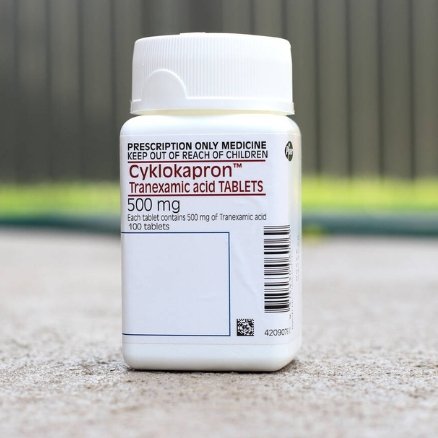
Tranexamic Acid 500 mg is a prescription antifibrinolytic medication used to help prevent or reduce excessive bleeding. It works by helping the body stabilize blood clots, making it useful for treating a variety of conditions associated with abnormal bleeding.
Tranexamic acid is commonly prescribed for:
- Heavy menstrual bleeding (menorrhagia).
- Bleeding after surgery or dental procedures.
- Certain bleeding disorders.
- Other conditions where reducing bleeding is medically appropriate.
It is available in several forms, including:
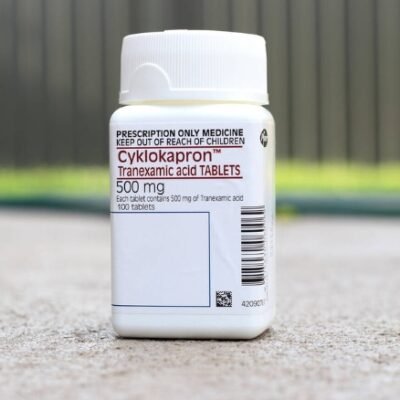
- 500 mg tablets
- Oral solution (in some countries)
- Intravenous (IV) injection for hospital use
How Tranexamic Acid Works
When the body forms a blood clot, it naturally breaks the clot down over time through a process called fibrinolysis.
Tranexamic acid works by blocking the activation of plasmin, an enzyme involved in breaking down blood clots. This helps:
- Stabilize existing blood clots.
- Reduce excessive bleeding.
- Support normal clot formation after injury or surgery.
It does not create new blood clots but helps prevent existing clots from breaking down too quickly.
Tranexamic Acid 500 mg Uses
Tranexamic acid may be prescribed for:
Heavy Menstrual Bleeding (Menorrhagia)
It helps reduce menstrual blood loss during periods.
Surgical and Dental Procedures
Used to reduce bleeding during or after certain operations and dental treatments, especially in people at increased risk of bleeding.
Bleeding Disorders
May be used in selected patients with inherited or acquired bleeding disorders under specialist supervision.
Other Medical Uses
Healthcare providers may prescribe tranexamic acid for other conditions involving excessive bleeding when clinically appropriate.
Benefits of Tranexamic Acid 500 mg
When taken as prescribed, Tranexamic acid may help:
- Reduce excessive menstrual bleeding.
- Minimize blood loss after surgery.
- Reduce the need for blood transfusions in selected situations.
- Improve quality of life for people with heavy menstrual periods.
Tranexamic Acid 500 mg Dosage
The correct dose depends on:
- The condition being treated.
- Age.
- Kidney function.
- Severity of bleeding.
- Individual medical history.
General guidance:
- Take exactly as prescribed by your healthcare provider.
- Do not take it for longer or in higher doses than recommended.
- Treatment duration varies depending on the reason for use.
How to Take Tranexamic Acid
For best results:
- Swallow the tablet whole with water.
- It may be taken with or without food.
- Take doses at evenly spaced intervals if prescribed multiple times a day.
- Follow your healthcare provider’s instructions carefully.
For heavy menstrual bleeding, treatment is typically started when menstrual bleeding begins and continued only for the prescribed number of days.
Missed Dose
If you miss a dose:
- Take it as soon as you remember.
- If it is almost time for your next scheduled dose, skip the missed dose.
- Do not take two doses together to make up for a missed dose.
Common Side Effects
Common side effects may include:
- Nausea.
- Vomiting.
- Diarrhea.
- Stomach discomfort.
- Headache.
- Back pain.
- Muscle or joint pain.
Serious Side Effects
Seek immediate medical attention if you experience:
- Sudden vision changes.
- Chest pain or shortness of breath.
- Swelling, pain, or redness in one leg (possible blood clot).
- Severe allergic reaction.
- Seizures (rare, usually associated with higher doses or intravenous use).
- Sudden weakness or difficulty speaking.
Safety Information
Before taking Tranexamic acid, tell your healthcare provider if you have:
- A history of blood clots.
- Kidney disease.
- Vision problems.
- A history of seizures.
- Irregular menstrual bleeding of unknown cause.
- Pregnancy or plans to become pregnant.
- Breastfeeding.
Tranexamic acid is not appropriate for everyone, particularly people with certain clotting disorders or active blood clots.
Drug Interactions
Tranexamic acid may interact with:
- Hormonal contraceptives containing estrogen (which may further increase the risk of blood clots in some people).
- Certain medicines used to treat bleeding disorders.
- Blood clotting factor concentrates.
- Other medications that affect clotting.
Always tell your healthcare provider about all prescription medicines, over-the-counter medicines, vitamins, and herbal supplements you take.
Alcohol and Tranexamic Acid
There are no major known direct interactions between alcohol and tranexamic acid. However, moderation is recommended, particularly if you are recovering from surgery or experiencing heavy bleeding.
Pregnancy and Breastfeeding
If you are pregnant, planning pregnancy, or breastfeeding:
- Inform your healthcare provider before taking tranexamic acid.
- It should only be used when the expected benefits outweigh the potential risks.
Storage
Store Tranexamic acid tablets:
- At room temperature.
- Away from moisture and heat.
- In the original packaging.
- Out of reach of children.
Frequently Asked Questions (FAQs)
What is Tranexamic Acid 500 mg used for?
Tranexamic Acid 500 mg is used to reduce excessive bleeding, including heavy menstrual bleeding and bleeding associated with surgery or certain medical conditions.
Does Tranexamic Acid stop periods completely?
No. Tranexamic acid is designed to reduce menstrual blood loss, not stop periods entirely.
Is Tranexamic Acid a blood thinner?
No. Tranexamic acid is the opposite of a blood thinner. It helps stabilize blood clots to reduce bleeding.
How quickly does Tranexamic Acid work?
The onset of effect varies depending on the condition being treated, but it generally begins working soon after it is taken.
Can Tranexamic Acid increase the risk of blood clots?
Although tranexamic acid helps preserve blood clots, not everyone who takes it develops clots. However, people with a history of blood clots or certain risk factors require careful medical assessment before using it.
Can Tranexamic Acid be taken with birth control pills?
Combined hormonal contraceptives may increase the risk of blood clots. Your healthcare provider will determine whether it is appropriate to use these medicines together.
Can children take Tranexamic Acid?
Yes. Tranexamic acid may be prescribed for certain conditions in children, with dosing based on age, weight, and the specific medical indication.
What happens if I take too much Tranexamic Acid?
An overdose may increase the risk of side effects such as nausea, dizziness, vision problems, or seizures. Seek immediate medical advice if an overdose is suspected.
Can I stop taking Tranexamic Acid early?
Take tranexamic acid for the full duration prescribed for your condition. If you have concerns about treatment, speak with your healthcare provider before stopping it.
Final Thoughts
Tranexamic Acid 500 mg is an effective medication used to reduce excessive bleeding in a variety of medical situations, including heavy menstrual bleeding and surgical procedures. By helping stabilize blood clots, it can significantly reduce blood loss and improve quality of life when used appropriately.
Take Tranexamic acid exactly as prescribed, inform your healthcare provider about any history of blood clots or kidney disease, and seek medical attention promptly if you experience symptoms of a possible clot or other serious side effects.
Medical Disclaimer: This article is for educational and informational purposes only and should not replace professional medical advice, diagnosis, or treatment. Always consult a qualified healthcare professional before starting, stopping, or changing any medication.
| Quantity | 30 Pills, 60 Pills, 120 Pills, 180 Pills, 200 Pills, 250 Pills, 300 Pills, 400 Pills, 500 Pills |
|---|
Be the first to review “Tranexamic acid 500mg”
Related products
Drugs

Drugs
Drugs
Drugs

Drugs
Drugs

Drugs
Reviews
There are no reviews yet.